Garage accumulation
Stored boxes, old household items and loose contents. Identify dense waste, bulky pieces and anything tucked behind shelving.
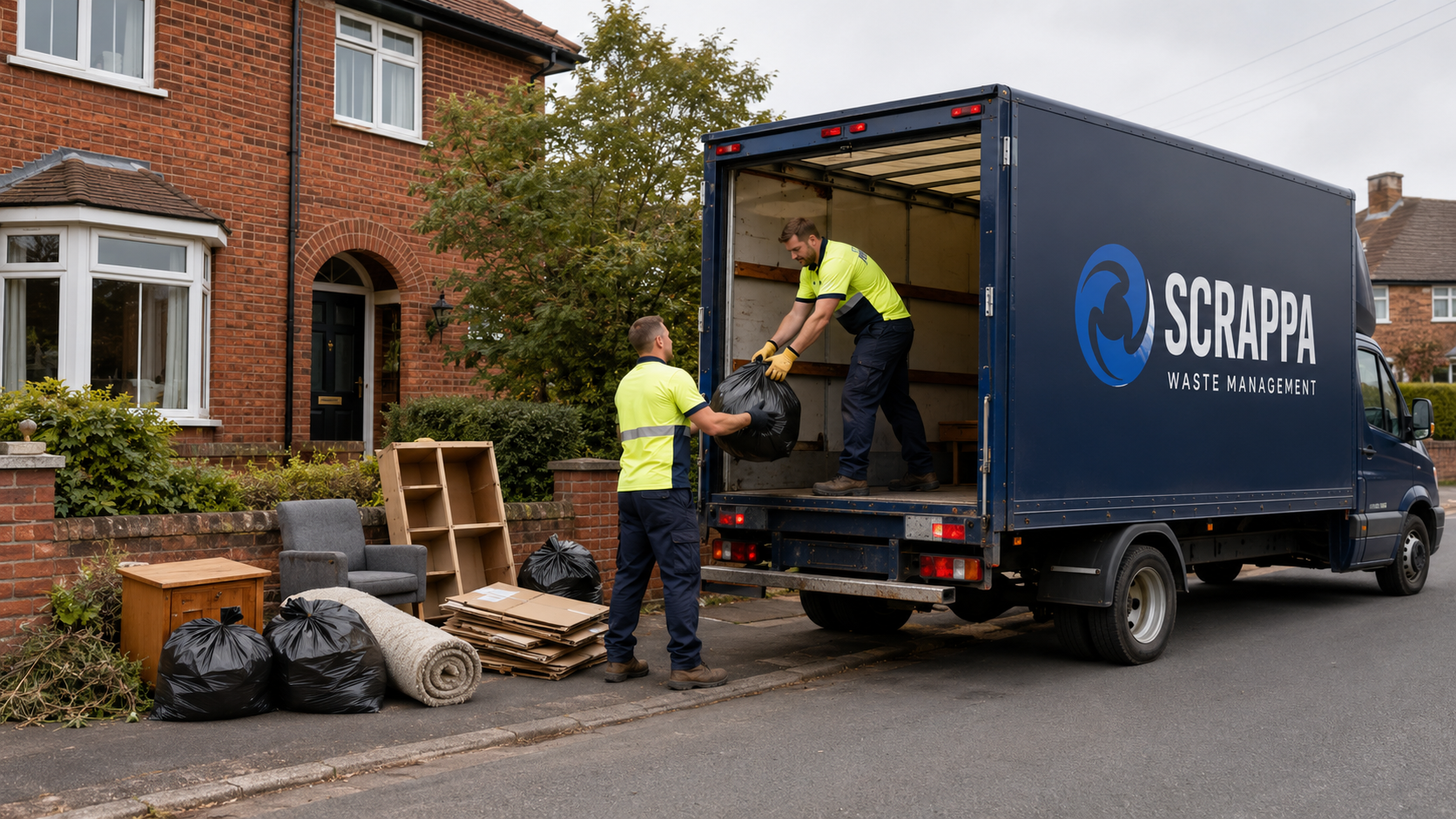
SCRAPPA · LANCASTER
Turn a cluttered garage, spare room or storage corner back into usable space. Arrange collection of the unwanted items you have decided to let go, with the full pile, bulky pieces and access described before booking.
Quote your Lancaster junk collectionStored boxes, old household items and loose contents. Identify dense waste, bulky pieces and anything tucked behind shelving.
Unwanted small furniture, bags and stored possessions. Separate personal effects and list larger pieces by type and quantity.
Describe the actual contents and garden access. Unknown containers, chemicals, machinery and demolition work need separate advice.
A combination of loose junk, named furniture and appliances. Declare the materials instead of treating the entire load as an unspecified pile.
Look behind the visible front row and include every area being cleared. A full description helps avoid leaving an unquoted second pile.
Old furniture and appliances need individual details alongside the smaller junk. Count them and explain their condition or unusual size.
Mark what stays and group the unwanted contents where practical. Clear instructions matter when useful possessions and junk share a storage space.
Tell us about garage thresholds, sheds, steps and indoor rooms. Ask about sorting or dismantling before assuming it forms part of collection.
Around Bowerham, Greaves and Scotforth, stored junk may be in an upstairs room, rear garage or shed rather than beside the front door. Properties near the centre or Ryelands can also have shared access or a loading position away from the entrance. Explain the exact route, steps and keys needed. Williamson Park, Ashton Memorial and the River Lune provide area context, not proof of collection-vehicle access or immediate local availability.
Area examples: Bowerham, Greaves, Scotforth and Ryelands. Postcode district: LA1. Enter the exact postcode to check the collection address.

STEP 1
Give the collection postcode and the contact who can explain the job.

STEP 2
Describe loose contents, quantities and each bulky item, including separate piles.

STEP 3
Tell us about rooms, garages, gates, stairs and any sorting or dismantling requested.
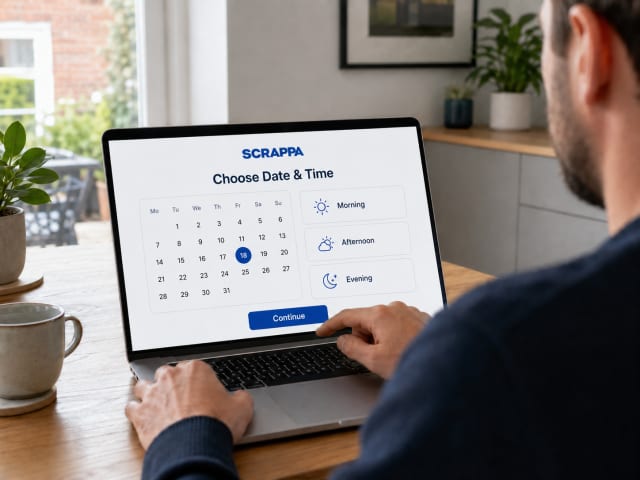
STEP 4
Provide the remaining information and select a workable date and time window.
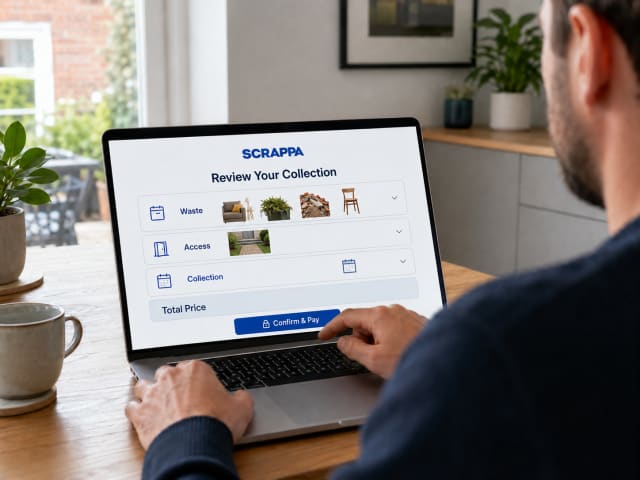
STEP 5
Check that the final price and item description cover the junk actually waiting.
A storage space often contains a mixture of junk and belongings still worth keeping. Start by deciding what goes and putting retained items in a clearly marked area. The collection crew should not have to make that decision for you. If the room has not been sorted, explain the work needed before requesting a collection-only quote.
Open the view into the whole collection area and note items behind cabinets, underneath tables or in another corner. A single photo of the front can hide much of the load. Include the full quantity and name furniture separately. If more than one location within the property is involved, describe both routes.
A garage filled with cardboard and light household items is different from one containing dense bags, tiles and old building materials. Give bag counts, approximate pile dimensions and material types. Heavy or wet contents need to be declared even when they occupy a small area. Avoid guessing solely from how cluttered the room looks.
Paint, chemicals, fuel containers, gas bottles and unidentified liquids should not be slipped into a general junk load. Describe them and ask about suitability before booking. Do not open unknown containers or disturb suspect asbestos to identify it. Uncertain material needs appropriate advice, not an assumption that a general clearance will accept it.
A garage in Scotforth may have a different route from a cellar in a city-centre property or an upstairs box room in Bowerham. Give the current location, steps, door widths and carrying distance. In Greaves or around Ryelands, explain side gates and shared passages where relevant. A location name alone cannot show the path from the junk to the vehicle.
Removing a shed’s contents is different from taking down the shed itself. Collecting a freestanding cabinet is different from removing fixed shelving. Name any dismantling or additional work you need assessed, and keep building alterations, cleaning or repairs separate unless explicitly agreed. This keeps the quote focused on the work actually required.
Once the collection is booked, keep the unwanted items distinguishable from retained possessions and arrange access with a responsible contact. If the pile grows, hidden materials are discovered or the entrance changes, update Scrappa before collection. A clear update is better than an unexpected extra load when the crew arrives.
Recover room for the purpose the space was meant for. Identify both the unwanted contents and the access needed to remove them.
Clear the clutter after a room’s purpose changes, with retained furniture and personal belongings kept separate.
Work from an authorised inventory rather than assuming everything in a storage area is abandoned. Arrange keys and a site contact.
Describe surplus stored items and quantities. Identify business equipment and any specialist contents before collection is agreed.
Give approximate pile dimensions, bag counts, main materials and a list of large items. Include anything hidden behind the front pile and describe the access from the garage to loading.
Do not assume sorting is included. Decide what stays and goes first, or explain any additional sorting work needed so it can be assessed before booking.
Describe collection of its agreed contents separately from removal of the structure. Shed demolition, fixed fittings and other extra work are not automatically included.
List each appliance by type and size and explain preparation or disconnection. It should not be hidden within an unspecified general-junk description.
Declare them and ask for advice before booking. Unidentified or restricted materials should not be added to an ordinary household collection without confirmation.
Update Scrappa before the visit with the complete quantity and material details. The scope, vehicle needs and price may need reviewing.
A booked collection can remove the agreed load in a planned visit, with the quoted carrying and loading requirements taken into account.
A skip may be useful during an ongoing project if you can arrange placement, load safely and confirm the contents accepted by its provider.
Identify unusual materials and sorting work first. Either option needs a clear understanding of what is being disposed of and how it will be handled.
Start with the Lancaster postcode, describe the complete junk load and the route out, then review the available collection options and final quote.
Quote your Lancaster junk collection