Oversized furniture
Wardrobes, dressers, large tables and cabinets. State whether they are assembled, freestanding or fixed to the building.
SCRAPPA · LANCASTER
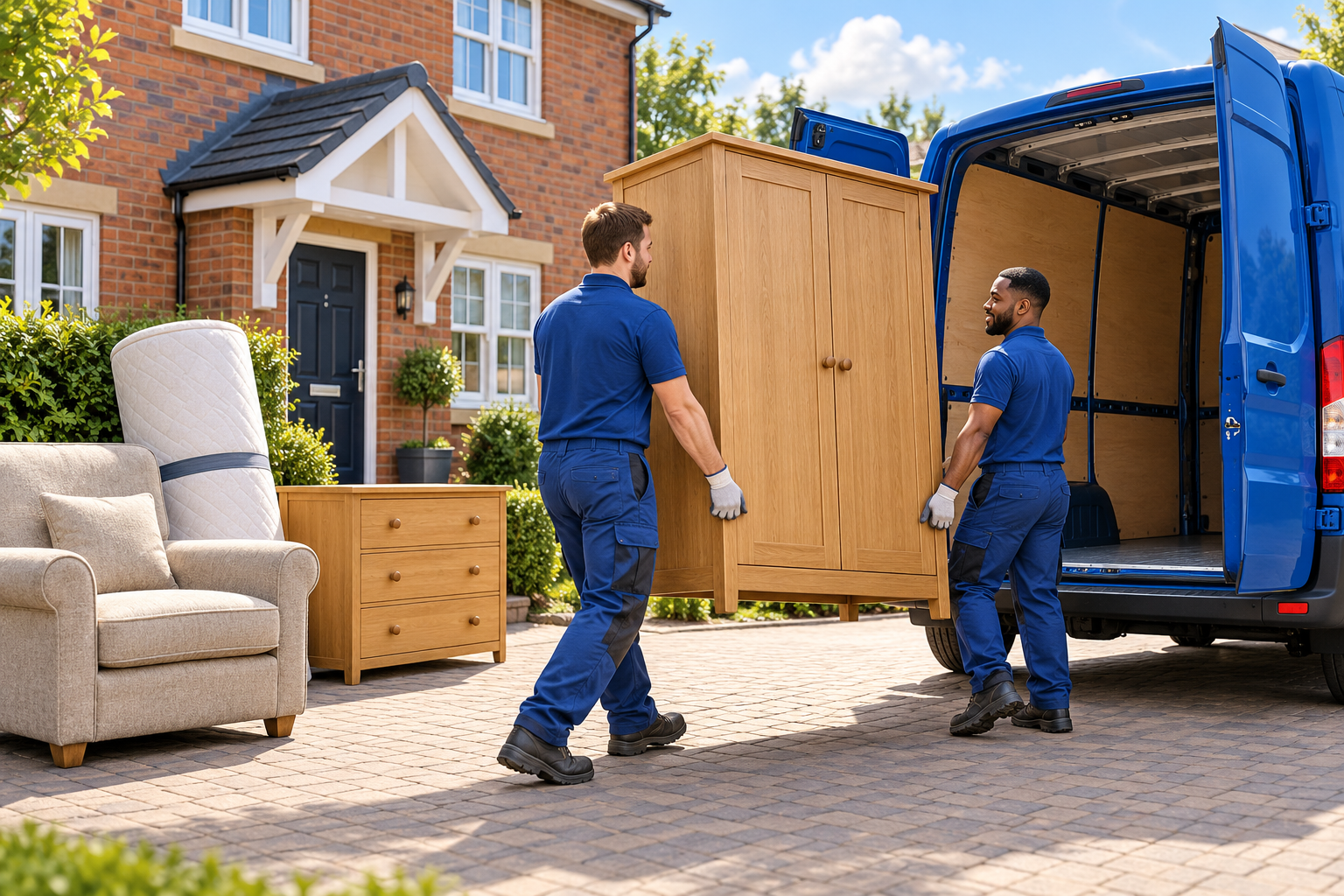
An unwanted wardrobe, a mattress or a heavy appliance can take up space long after you stop using it. Arrange collection of your large household items in Lancaster with the type, size and removal route agreed before booking.
Quote your bulky item collectionWardrobes, dressers, large tables and cabinets. State whether they are assembled, freestanding or fixed to the building.
List the mattress, divan base, frame and headboard separately with approximate sizes and quantities.
Identify corner sections, recliners and sofa-bed mechanisms. These designs can have different weights and handling requirements.
Name the appliance, give dimensions for oversized units and explain disconnection or integrated fittings before collection.

STEP 1
Start with your Lancaster postcode and the property where the large items are waiting.
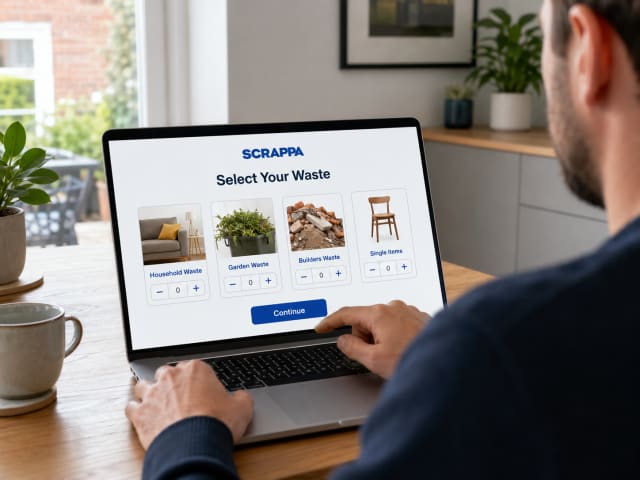
STEP 2
Add the correct item types, quantities, dimensions and any detachable sections.

STEP 3
Include floors, narrow turns, lifts, carry distances and dismantling requests.
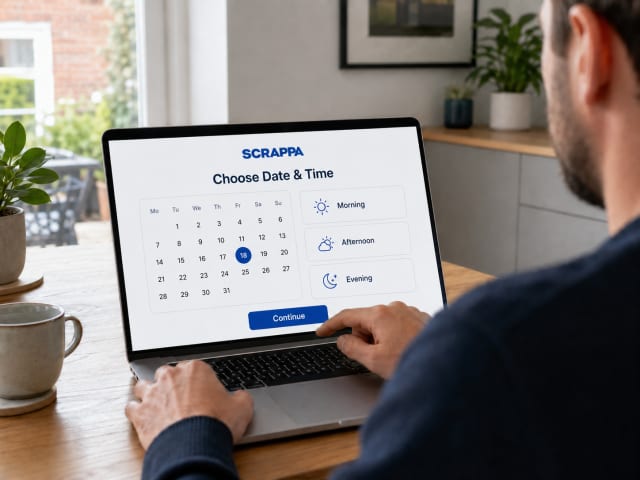
STEP 4
Provide the remaining details and select a date and window that works for access.
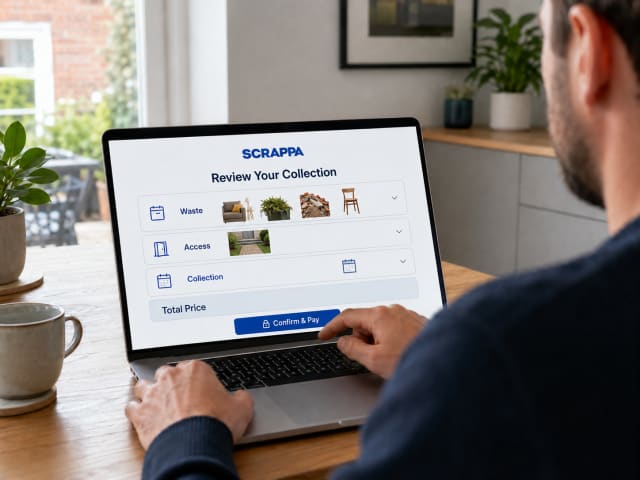
STEP 5
Check the item list, work and final price before confirming the booking.
Name the item and quantity. Separate bed components, corner-sofa sections and matching furniture should not disappear into a vague description.
Give the approximate size of large or unusual pieces and check the narrowest exit points. The item and route both affect the plan.
Declare dismantling, connections, fixed furniture and difficult mechanisms before confirming the work.
Tell us the room, floor, stairs and carrying distance. Include any gates, lift arrangements or building rules.
A mattress near Ryelands Park, a cabinet in a Greaves upper room and a fridge in Scotforth can have very different routes out. Give the exact address, room and lawful loading position. Williamson Park and Ashton Memorial are useful area references but do not show the width of a passage or whether loading is permitted at your entrance. Explain the route and any building arrangements before choosing the collection.
Area examples: Bowerham, Greaves, Scotforth and Ryelands. Postcode district: LA1. Enter the exact postcode to check the collection address.
A “bedroom set” could mean a wardrobe, drawers, mattress, base and headboard, or only two of those pieces. List the items individually and state the count. This makes it easier to see what the collection includes and avoids a separate component being missed when the booking is reviewed.
For a corner sofa or modular cabinet, the size of the largest section can be more useful than the total assembled footprint. Explain which parts detach and whether removal needs tools. If the construction is uncertain, give measurements and ask for assessment rather than assuming an item will separate.
Look at door openings, stair turns and the landing between the item and the exit. A wardrobe can fit its room but not the next turn on the stairs. For a Lancaster upper-floor property, provide the floor and usable lift details. Avoid moving something heavy into a shared corridor while testing whether it fits.
A freestanding table with removable legs is different from a built-in wardrobe or cabinet attached to the building. Disclose fittings and request dismantling before booking. Structural work, removal of built-in joinery and making good surfaces are not automatically included in a bulky-item collection.
At a property in Bowerham or Greaves, explain steps and the distance from the entrance to lawful loading. Around Scotforth, a side passage or garage may be involved. For a city-centre flat, identify the correct entrance and any loading restrictions. Tell Scrappa what applies to your address rather than relying on the neighbourhood name.
Do not cut refrigeration pipes, remove appliance components or strip upholstery from seating to make an item smaller. Empty furniture and arrange safe disconnection of connected appliances. Mention damaged mechanisms, exposed filling or other condition concerns so handling can be assessed before the collection.
Make sure the large items waiting match the booking and that retained pieces are clearly marked. Arrange keys, a building contact and any agreed lift access. If a second appliance is added or a wardrobe turns out to need dismantling, update Scrappa before collection so the scope and price can be reviewed.
Arrange the old item’s collection around the room and replacement plans. A new delivery does not automatically include removal of the old piece.
Share stair and lift details, building permissions and loading distance for the specific large items being removed.
Landlords and agents should identify the authorised disposal inventory and arrange the keyholder. Keep retained furniture separate.
Combine the request into one accurate inventory, with quantities and access for each collection area rather than a general “large load” description.
Can suit a defined list of large objects with the agreed removal and loading assessed in advance. Include any specialist item details.
Check that the provider accepts your furniture, upholstered seating and appliances. Consider whether you can load the items safely and arrange suitable placement.
If buying a new item, check whether the retailer offers take-back and what it accepts. Confirm preparation and access conditions before relying on that option.
Large household objects such as wardrobes, mattresses, tables, sofas and appliances often need an item-based description. Dense loose materials such as rubble and soil require a different assessment rather than being treated as furniture.
List every item and quantity, including separate parts. The quote should reflect their types, handling requirements and access, rather than only a general number of pieces.
Measure the route and request dismantling or assessment before booking. Do not assume the crew can carry out unplanned work or force a large item through a restricted exit.
Do not block pavements, communal corridors or emergency exits. Describe the current location and agree a safe removal route or collection point.
Give the floor, stairs, lift dimensions and any building rules. Access needs to be safe and included in the assessed work.
Provide its name, approximate dimensions, design and condition and ask for clarification before confirming. A heavy recliner or oversized fridge should not be booked as a simpler standard item.
Enter the Lancaster postcode, name each large item and describe how it can be removed. Check the final quote and available collection options before booking.
Quote your bulky item collection