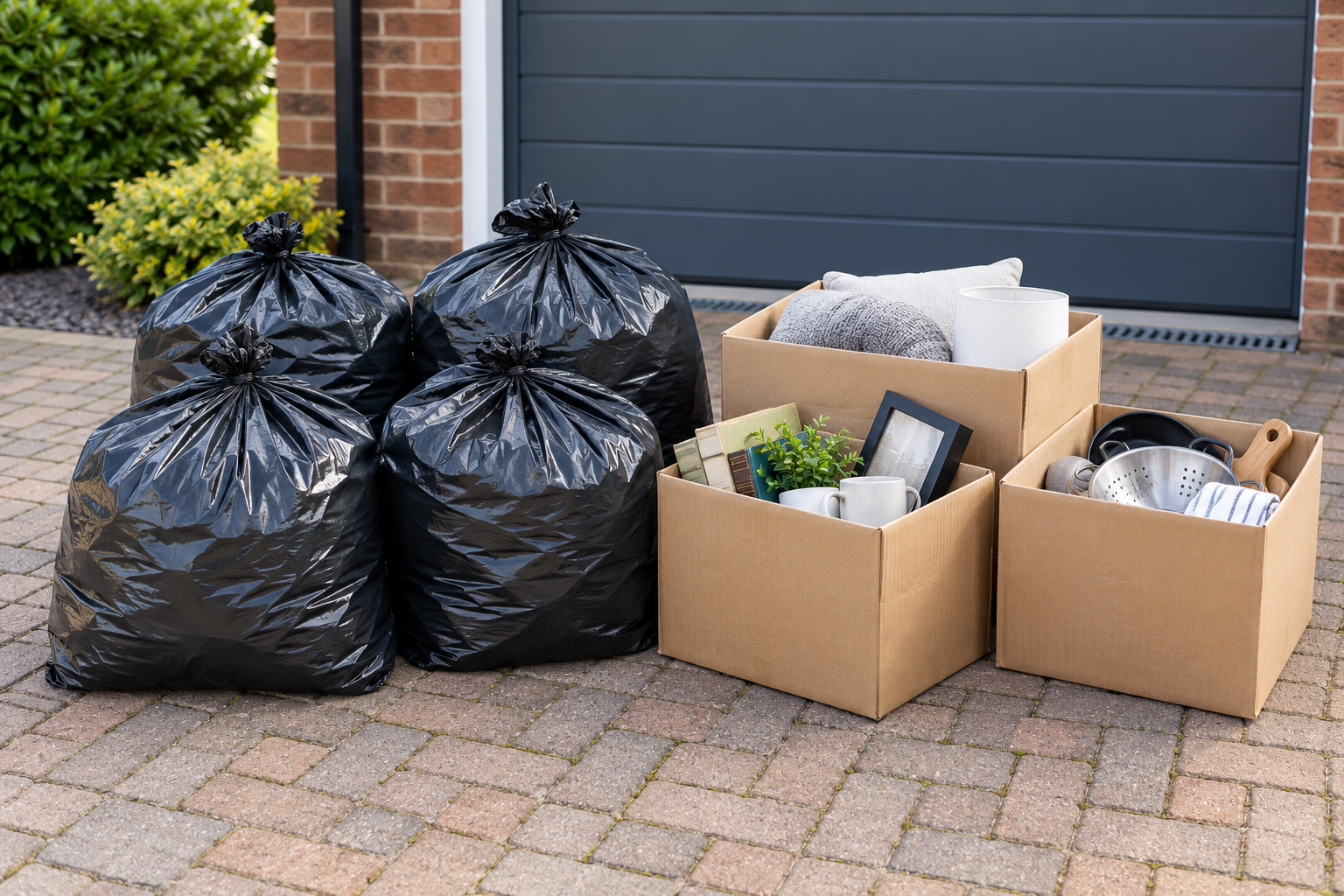
Household bags and packaging
Give counts and contents rather than treating every bag as the same weight or material.
A successful waste collection starts with knowing what is in the load. Scrappa helps you arrange waste removal in Nelson for agreed household items and materials, with the quantity, access and any extra work described before booking. Review the available slot and complete price so the collection matches the job.
Give counts and contents rather than treating every bag as the same weight or material.
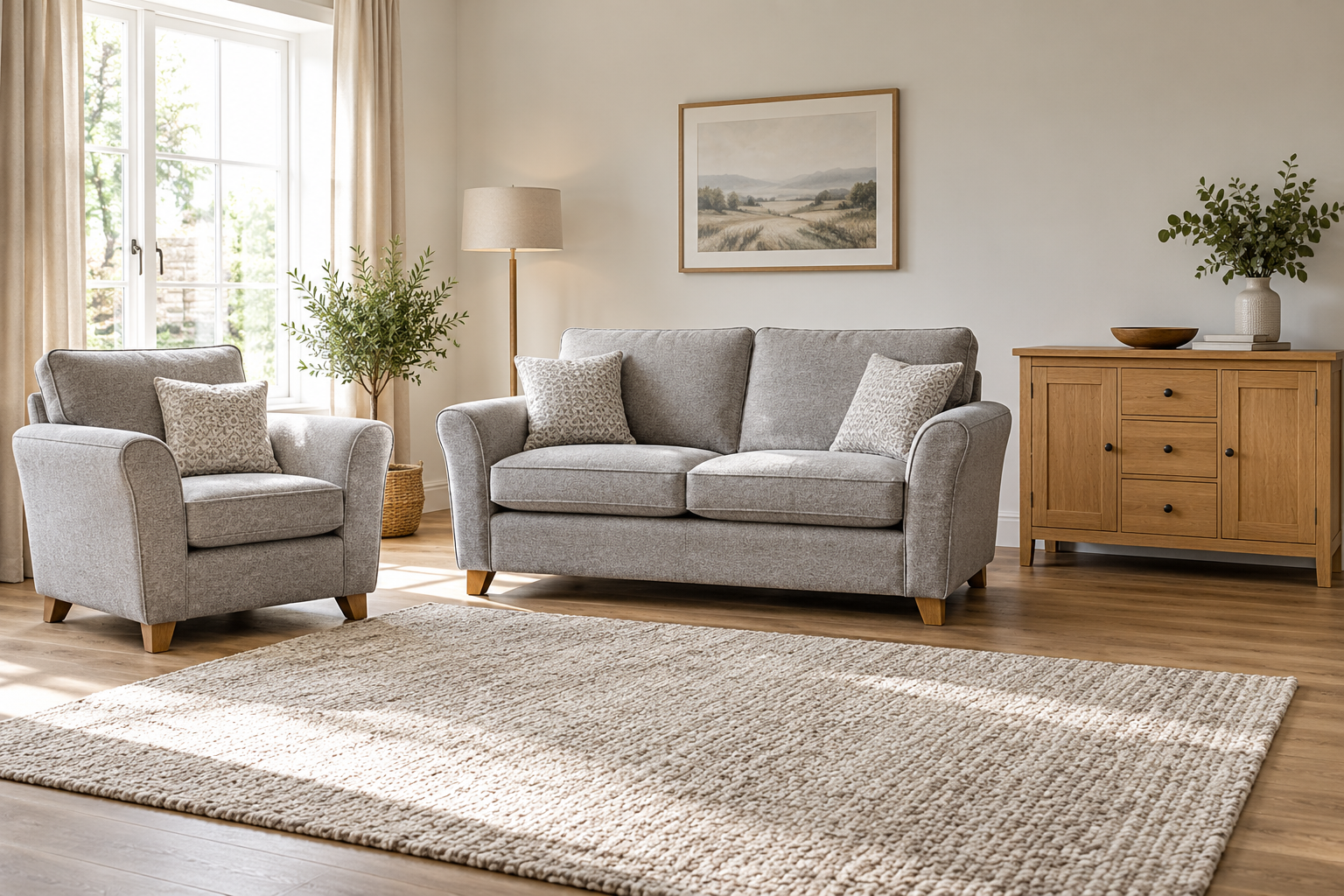
Name seating, storage and large pieces individually. Explain mechanisms and dismantling needs.
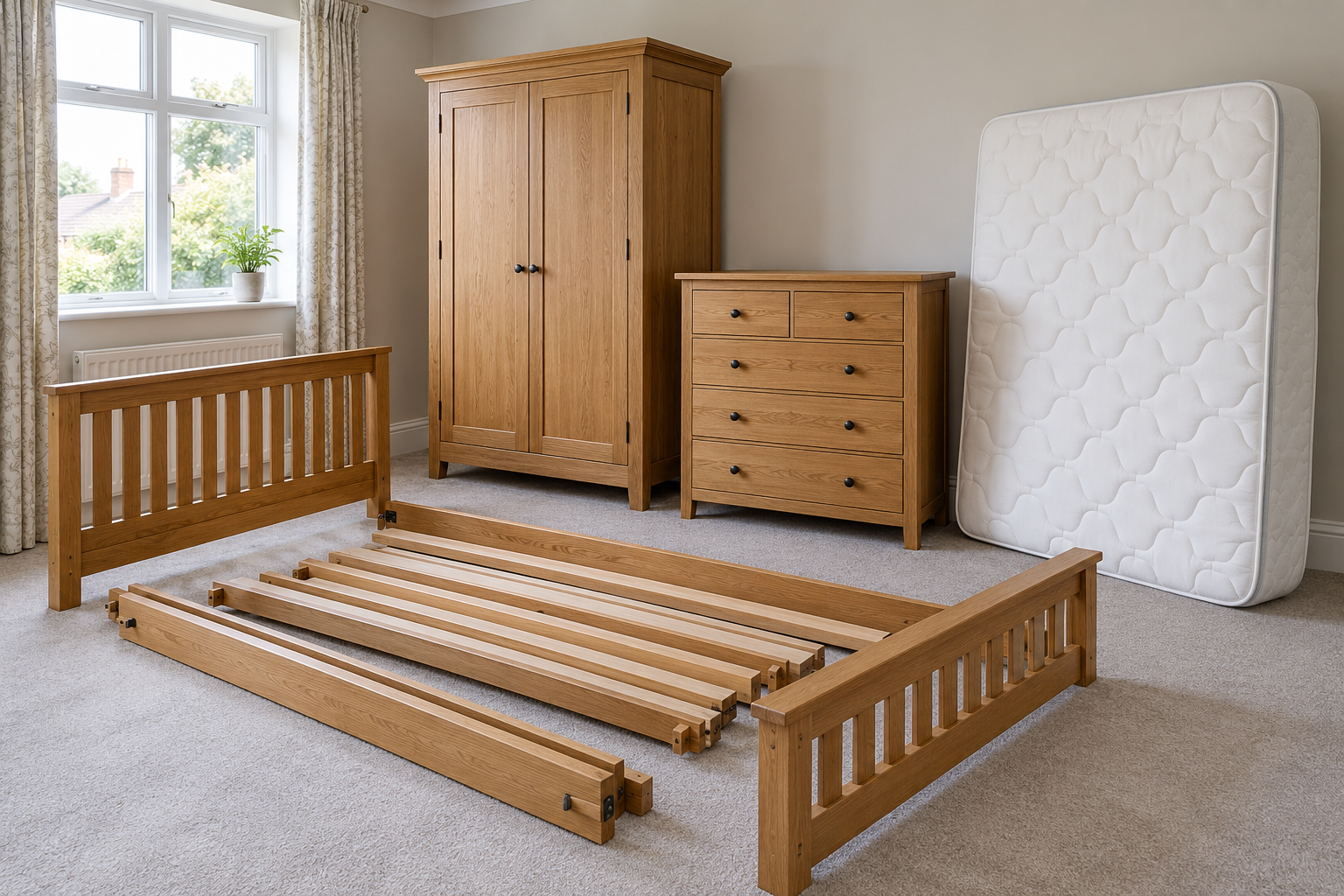
Identify mattresses, frames and other furniture separately, with quantities and access.
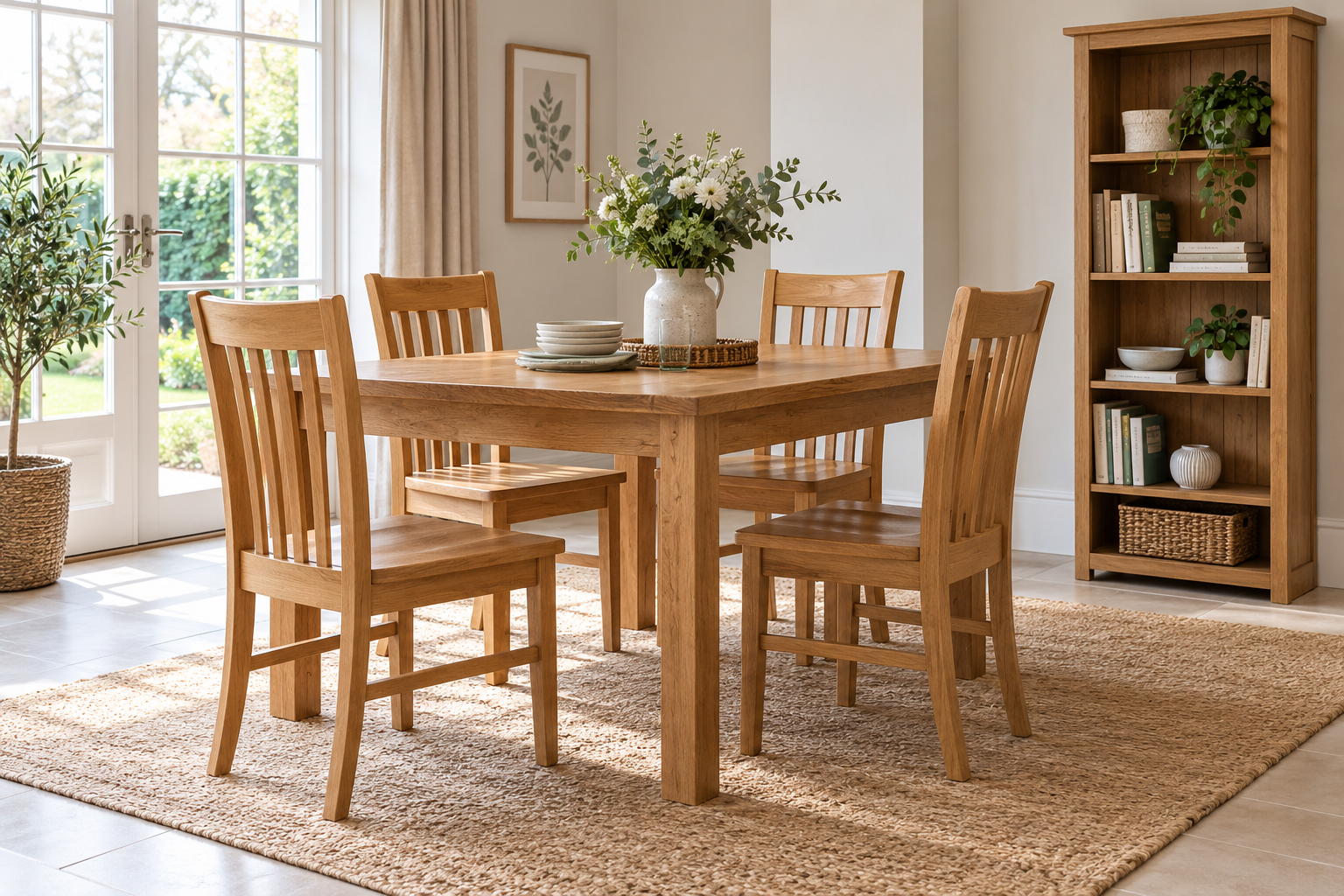
List the furniture and approximate dimensions of awkward pieces, including loose or damaged parts.
Waste removal can describe very different jobs: a few bags of packaging, unwanted furniture or heavy material from a project. Identify each material and explain mixed contents before selecting the collection. Do not assume that everything from a home belongs in the same category. Electrical appliances, mattresses, upholstered seating and dense building materials should be named so the description can be reviewed properly. The booking needs to reflect what is actually waiting, not simply where the waste came from.
Count identifiable items and bags, give approximate dimensions for bulky pieces and show the whole pile in photographs where possible. If the waste is in several places, include all of them. A photo of the front stack can miss a larger pile behind it, while tightly packed bags can hide substantial weight. If the amount is uncertain, provide more detail rather than deliberately selecting a smaller load. Include anything you still expect to add before the confirmed collection.
Soil, rubble, tiles and other heavy materials need an accurate description even when they occupy little space. Say what bags contain, their approximate size and whether the contents are wet. Do not conceal sharp objects, chemicals or unidentified substances inside ordinary waste. If a material is unfamiliar or might need specialist handling, explain it before booking. Packing something into a household bag does not change its material or make it suitable for a light mixed-load allowance.
State whether the waste is indoors, upstairs, in a garden or in a separate outbuilding. Include stairs, gates, lift arrangements and the carry distance to lawful vehicle loading. Tell us about locked entries, shared routes and restricted stopping. The full postcode locates the property but cannot show the route from a back garden or upper floor. If the only route passes through the house, say so before confirming the collection rather than leaving it to be discovered on arrival.
Furniture that needs dismantling, connected appliances and fixed fixtures are not the same as loose waste ready to load. Give a clear description of any preparation or extra work required. Appropriate disconnection may need a qualified professional, and structural work should not be assumed part of a contents collection. Avoid unsafe cutting, lifting or improvised preparation to make the job fit a smaller booking. The collection arrangements should suit the task instead of relying on unplanned work during the visit.
Check drawers, boxes and containers before marking them for removal. Take out valuables, documents, keys and anything you want to keep. Clearly identify the agreed pile and any furniture staying beside it. For a landlord or business-arranged collection, give the attending contact the final list and instructions. Keep access safe without blocking pavements, communal halls or fire exits. If others add waste while you are away, update the scope before collection.
Check the material list, quantity, access, slot and complete breakdown before payment. If anything changes, contact Scrappa before the visit so the work and price can be reviewed. Extra waste is not automatically included, and a page describing same-day options does not guarantee availability for every request. Keep the collection accessible for the confirmed window. After completion, retain the digital waste transfer note and booking record rather than relying only on a verbal description of the job.
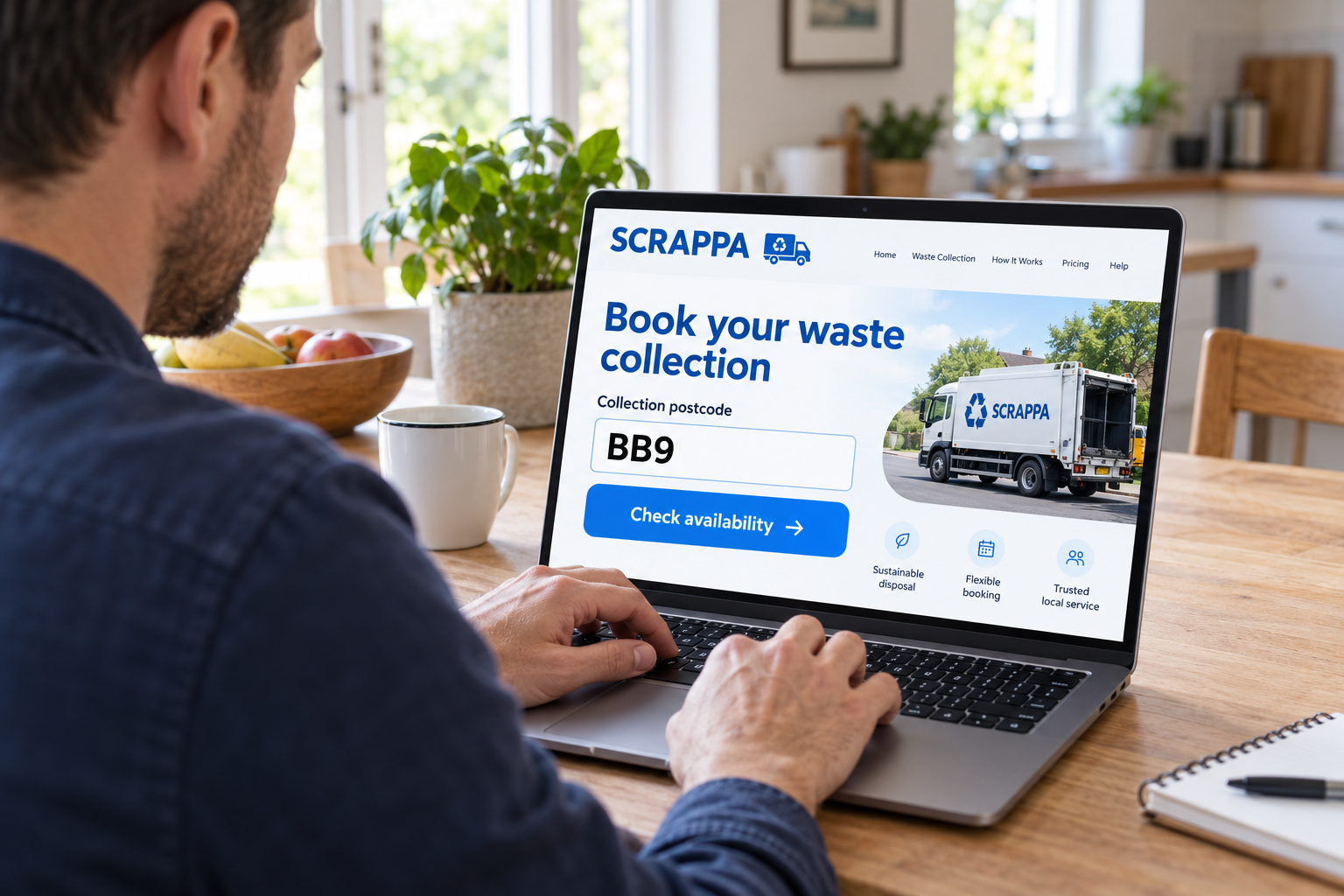
Enter your full Nelson postcode and select the correct address.
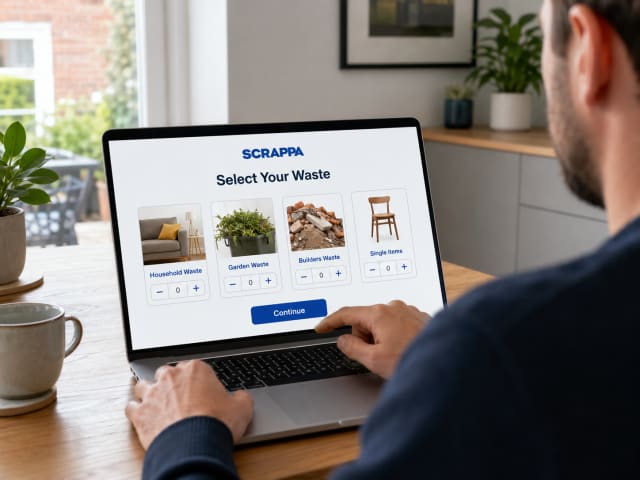
List materials, quantities and separate bulky items.

Explain floors, carry distance, gates and any extra work.
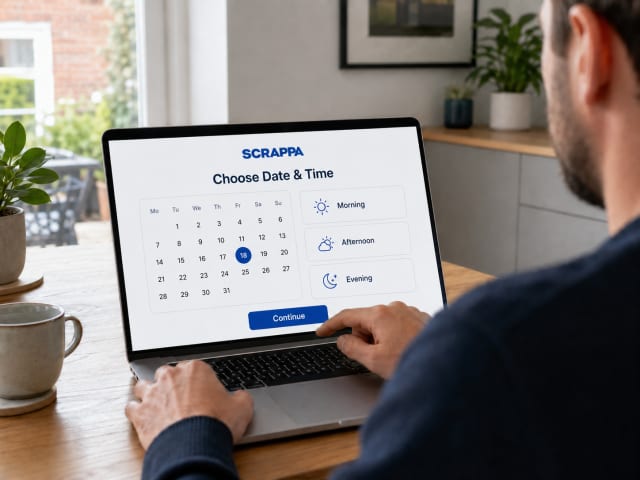
Select a collection date and time suitable for the agreed load.
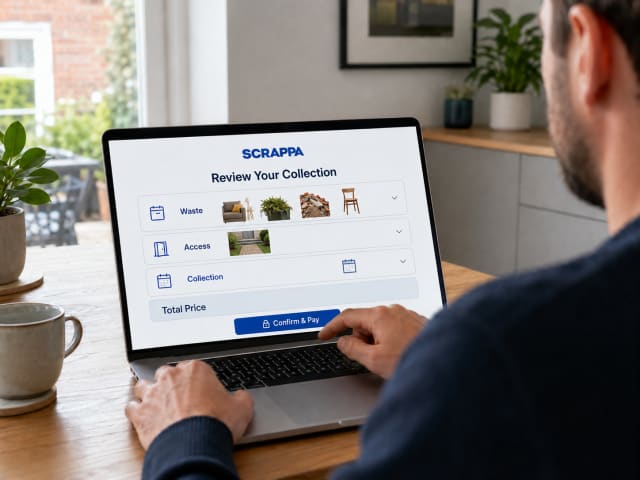
Check the breakdown and job details before confirming payment.
Use the exact collection address and full BB9 postcode for a home or premises around Carr Road, near Victoria Park or elsewhere in Nelson. Explain the actual loading entrance, shared passages and any restrictions on stopping. Nearby landmarks provide context but cannot establish access or a vehicle’s permission to load. Collection options depend on the full address, materials and available capacity.
A loaded collection can suit waste that is ready to leave in an agreed visit. A suitable skip may help an ongoing project if there is space and any required permission, but you still need to check accepted materials and loading responsibilities. Retailer take-back or other available services may suit particular items. Compare the complete job, not only an advertised starting price, and do not assume every material is accepted by every option.
Describe each material and item type so the whole load can be reviewed. Do not assume a general label covers specialist or heavy waste.
Count bags and items, give approximate sizes and show the full pile where possible. Explain contents and dense materials separately.
Describe its actual location and route. Keep pavements and shared access clear, and avoid unsafe lifting.
Identify the business premises, waste and building-access requirements accurately so the request can be assessed.
No. Same-day options depend on a suitable available and confirmed slot for the specific job.
Retain the digital waste transfer note after the completed collection, together with your booking details.
Enter the address, describe the full load and explain the access. Review the available slot and complete breakdown before booking.
Start your collection quote