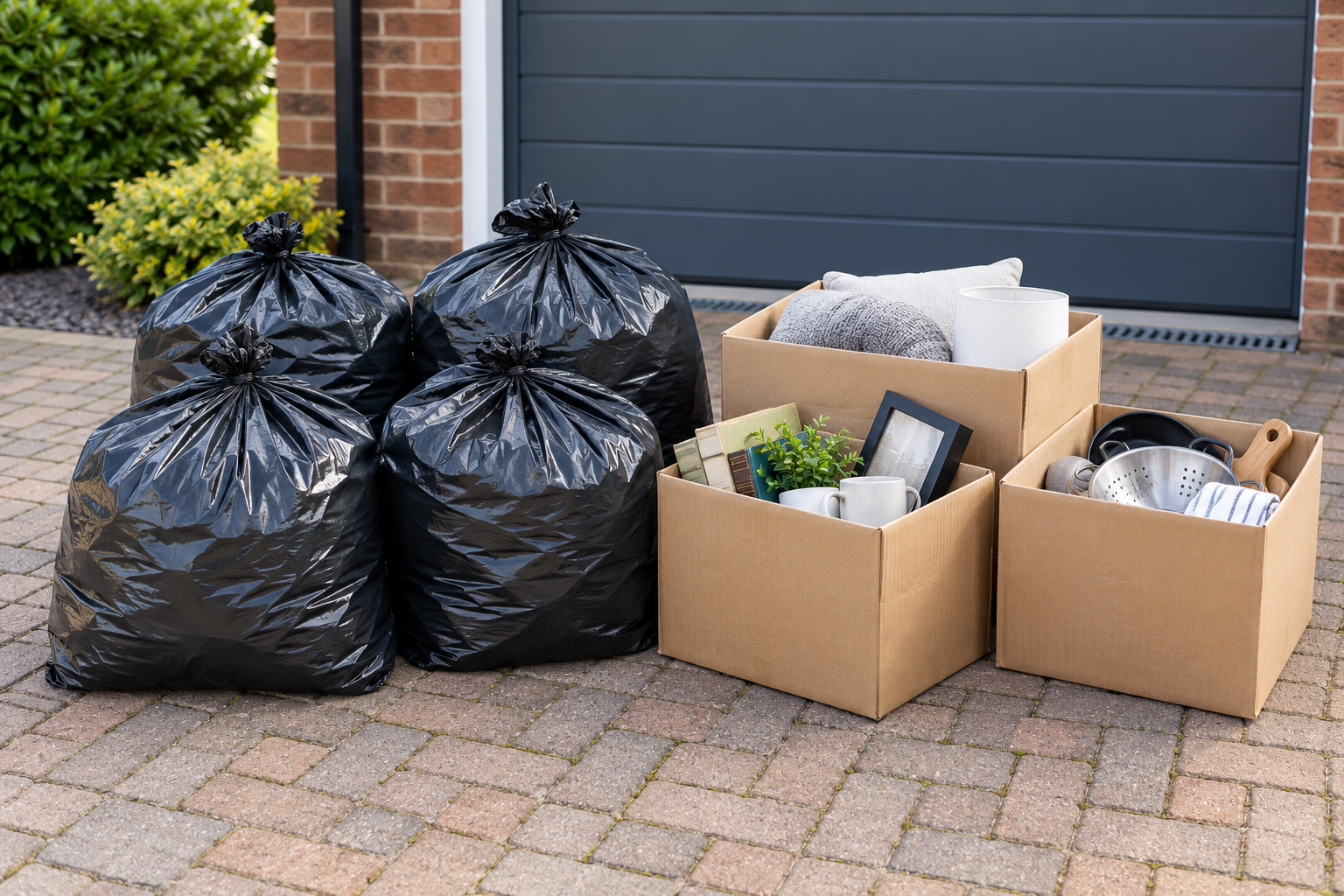
Bags and packaging
Count bags and boxes and say what is inside. Include any heavy, wet or sharp material separately.
A growing pile of bags, empty packaging and unwanted furniture can soon take over the space you need. Arrange rubbish removal in Nelson with a clear description of everything to go. Scrappa lets you start with the collection address, explain the load and access, and review the full price before confirming.
Count bags and boxes and say what is inside. Include any heavy, wet or sharp material separately.
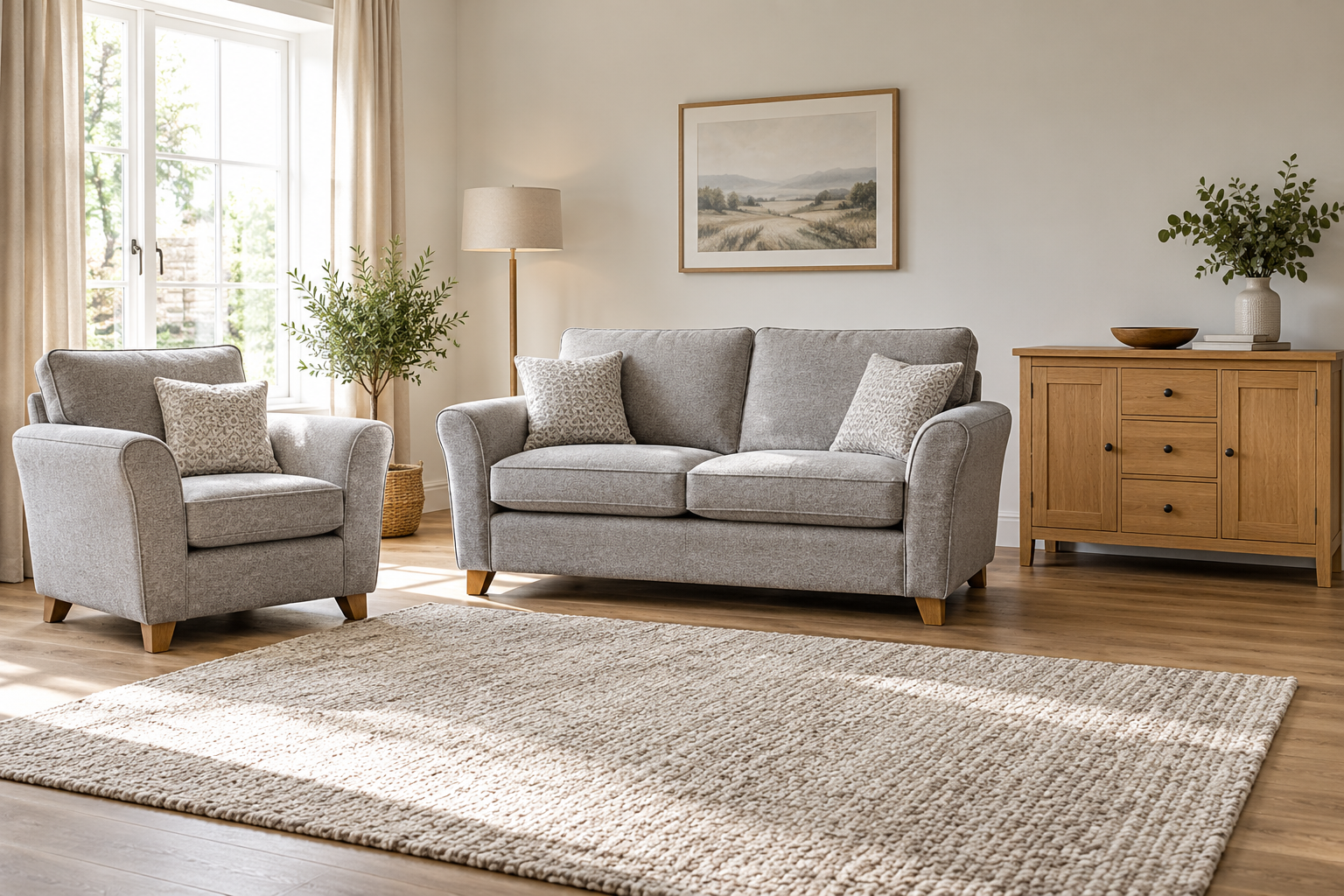
List any sofas, armchairs or sideboards alongside the bagged waste so the collection includes them.
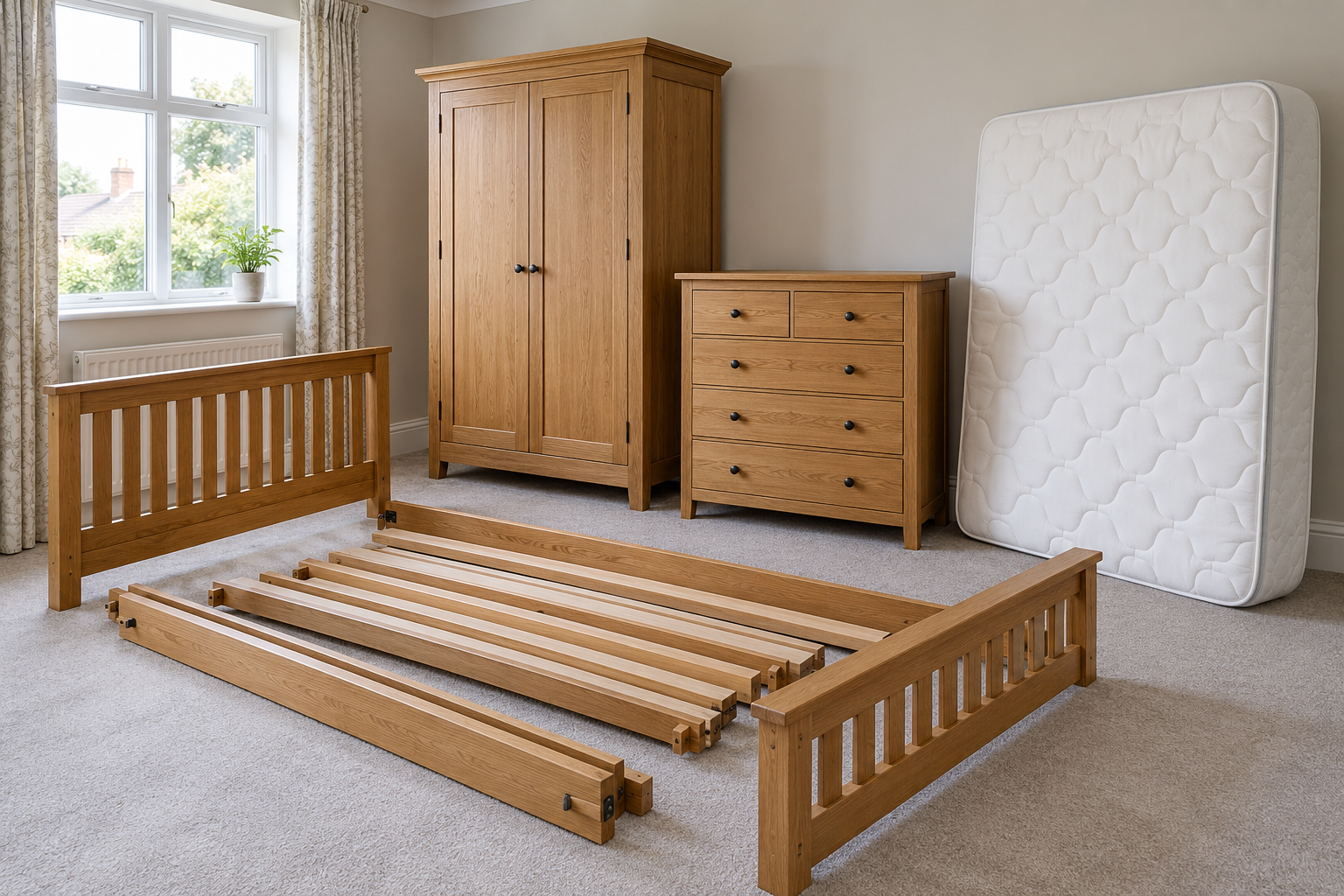
Describe bed parts, drawers and wardrobes individually rather than including them in a general bag count.
Ten bags of light packaging are different from ten bags of tiles or wet carpet. Give a bag count and an honest description of the contents, including anything dense or damp. If several bags are different sizes, explain that rather than treating them as identical. Do not put unknown liquids, sharp objects or specialist materials inside general rubbish bags. Clear information helps the collection match the actual load and avoids a surprise when the crew arrives.
A close photograph can miss the second pile beside the garage or the furniture behind the camera. Check the whole collection area and include every item you want removed. Photos from a few angles can support the description; they should show the full extent rather than just the neatest section. If you are still sorting the property, finish your list before booking or tell Scrappa about later additions before the visit. Keep extra waste separate until the scope has been reviewed.
Add furniture, mattresses and appliances as named items. Soil, rubble, plasterboard and dense renovation waste need their own description rather than being hidden within a household load. Give approximate quantities and bag sizes for heavy materials. The amount of space a pile occupies is only part of the collection: material and weight also matter. Do not assume a small heavy pile will have the same allowance as a much lighter pile of packaging.
Put the items to go together where it is safe and practical, keeping belongings you want to retain clearly separate. Label similar items if one stays and one leaves. Avoid blocking a shared entrance, pavement or fire exit while preparing. If the waste is in different rooms or separate outside areas, say so when booking. The on-site contact should know the agreed list and be able to identify it without relying on someone who is unavailable on the day.
Give the floor, steps, gates and carry distance from the rubbish to a lawful loading point. Mention narrow alleys, a shared passage or a route through the house. A front door near the road does not tell us how far a back-garden pile is from the vehicle. If a gate is locked or a keyholder needs to attend, organise that before the slot. Safe access and accurate loading details help the collection run as planned.
Review the material, quantity, access and collection date alongside the full price breakdown. If the pile grows after booking, contact Scrappa rather than assuming additional bags or furniture are included. The same applies if you discover heavy contents or an item that requires separate handling. Keep the booking record available and make sure the correct waste is accessible for the confirmed window. Retain the digital waste transfer note after the completed collection.
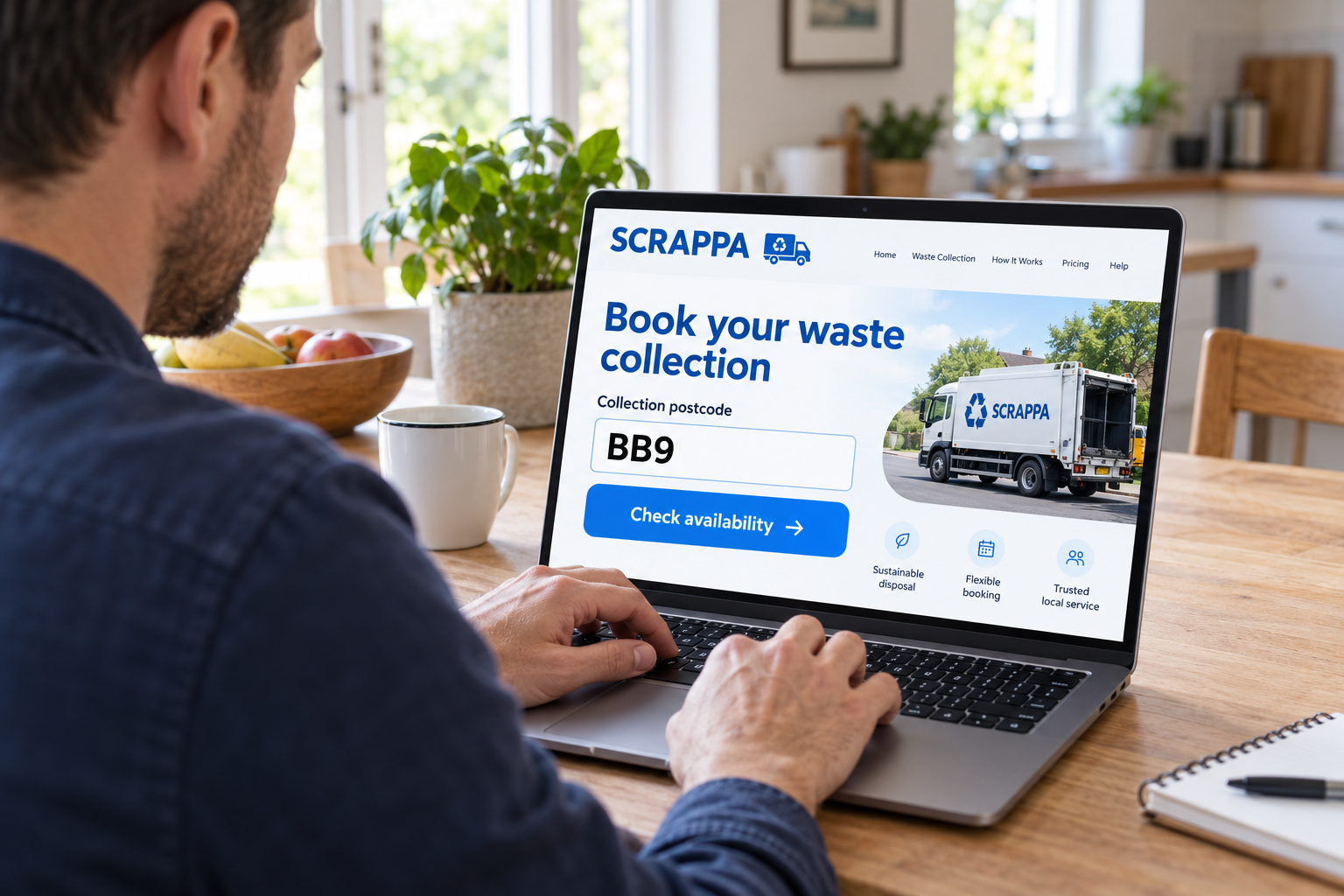
Start with your full postcode and confirm the collection address.
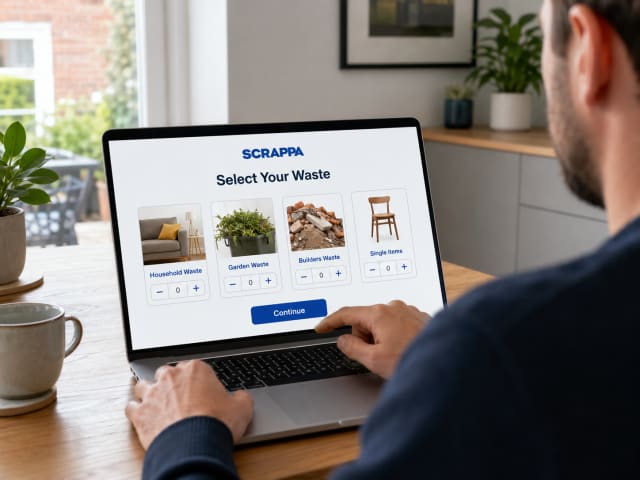
List the items or material and give the complete quantity.

Add stairs, carry distance and any dismantling or extra work.
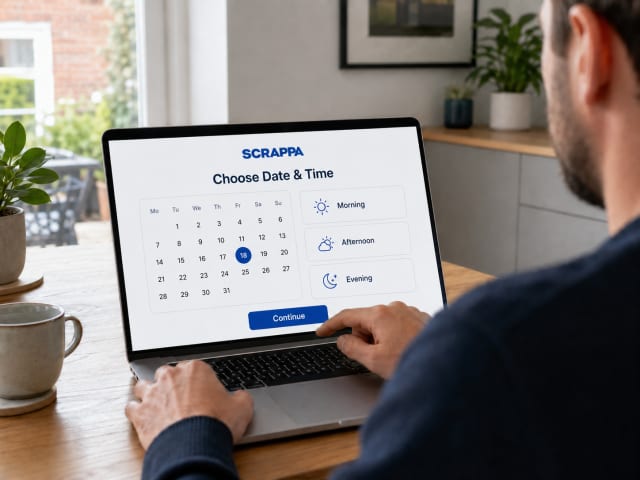
Choose a collection date and time offered for your job.
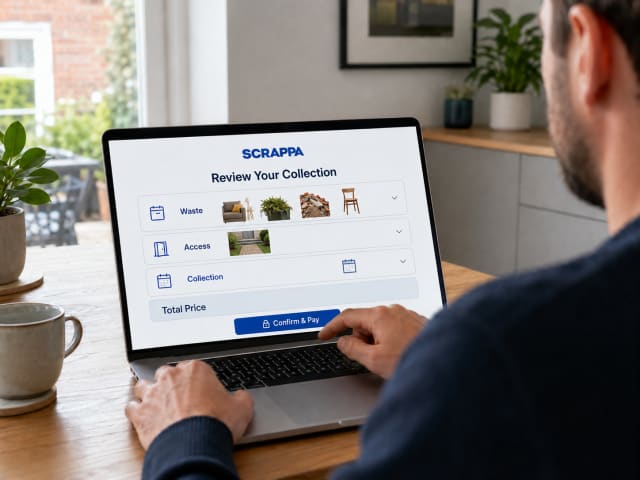
Check the job details and full price breakdown, then confirm.
Use your exact Nelson address and full BB9 postcode. Around Carr Road, near Victoria Park or elsewhere in town, describe the actual loading entrance and any rear access. A landmark can help with orientation but cannot replace the address or establish parking permission. Tell us about restricted stopping and shared routes before booking. Slots depend on the collection details and available capacity; no particular street is assumed to have daily dispatch.
A loaded collection can suit a pile that is ready to leave. A skip may be useful for an ongoing project if you have suitable space and permission, but check which materials it accepts and who loads it. For a small amount of ordinary household waste, consider the services already available to you. Compare the full scope and accepted materials instead of assuming every option is suitable for furniture, electrical items or heavy renovation waste.
Include both in your booking, with quantities and the furniture types. The collection must be priced and planned for the whole list.
Describe where they are and the route out. Loading needs to be agreed for the actual access, including stairs and carry distance.
Describe the pile, count identifiable items and provide photographs where possible. Do not choose a smaller load simply because you are unsure.
Declare rubble and other dense material separately. Packaging it in bags does not make it ordinary household waste.
Contact Scrappa before the visit so the change can be reviewed. Extra material is not automatically included.
Check the dates offered for your address and load. Same-day collection depends on available capacity and confirmation.
Enter your address, describe the complete load and explain the access. Check availability and the full quote before you confirm.
Start your collection quote