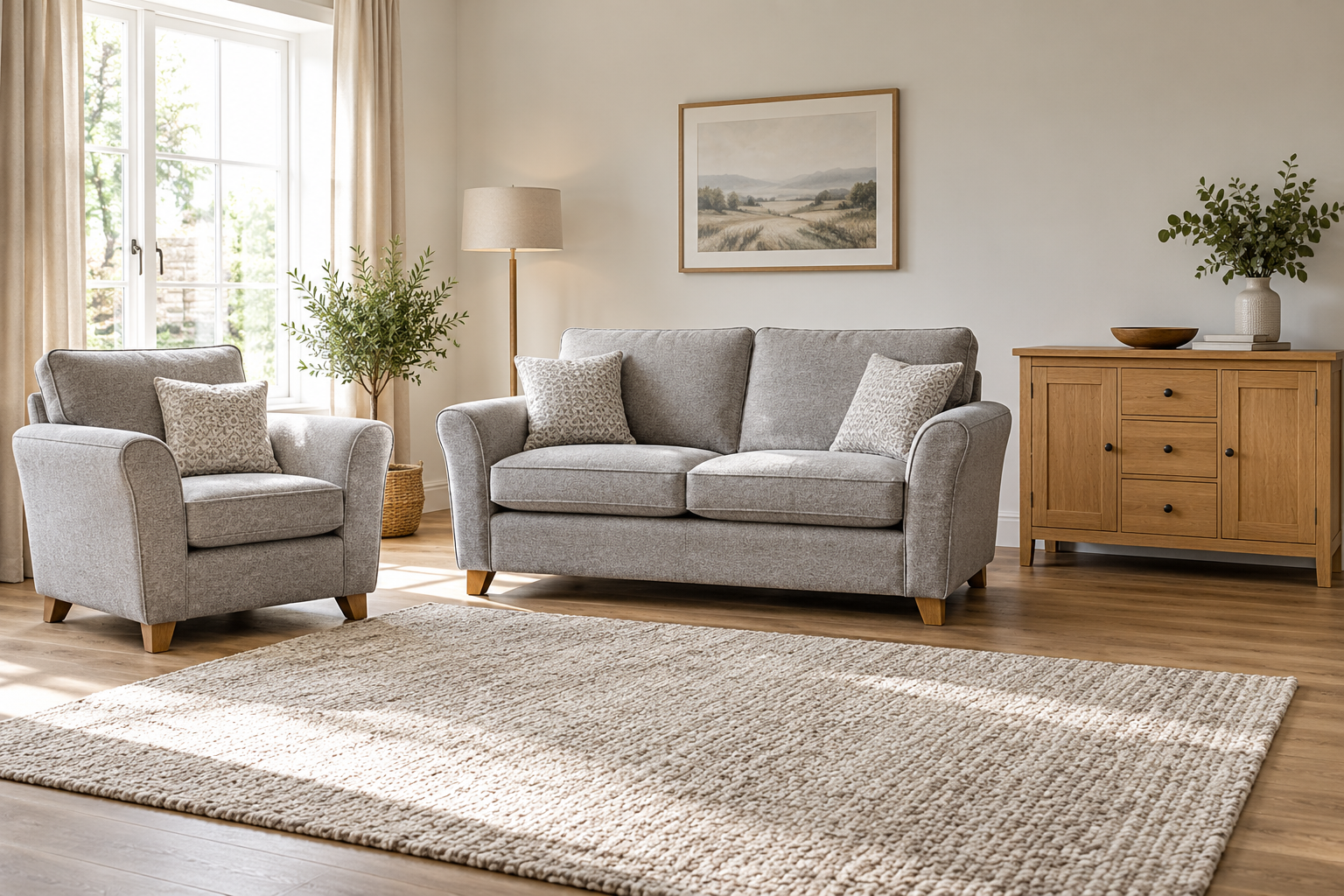
Sofas and armchairs
State the seating type, number of sections and whether it reclines or converts into a bed.
A bulky item may fit comfortably in a room and still be awkward to get out of the building. Scrappa helps you arrange bulky waste collection in Nelson with the item type, quantity, dimensions and moving route considered before the visit. Include each large piece so the quote reflects the whole collection.
State the seating type, number of sections and whether it reclines or converts into a bed.
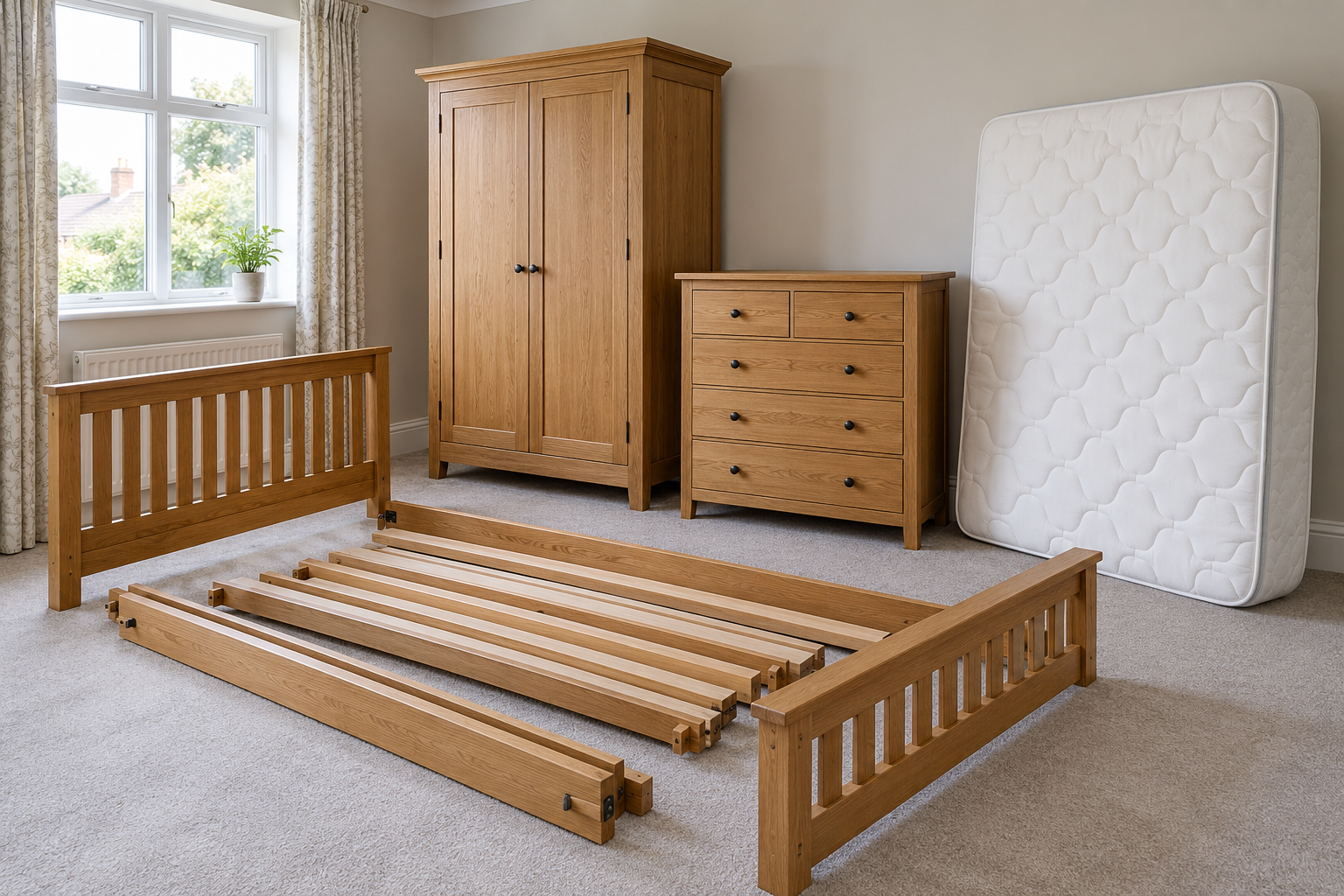
List mattresses, frames, wardrobes and drawers individually. Explain what is already dismantled.
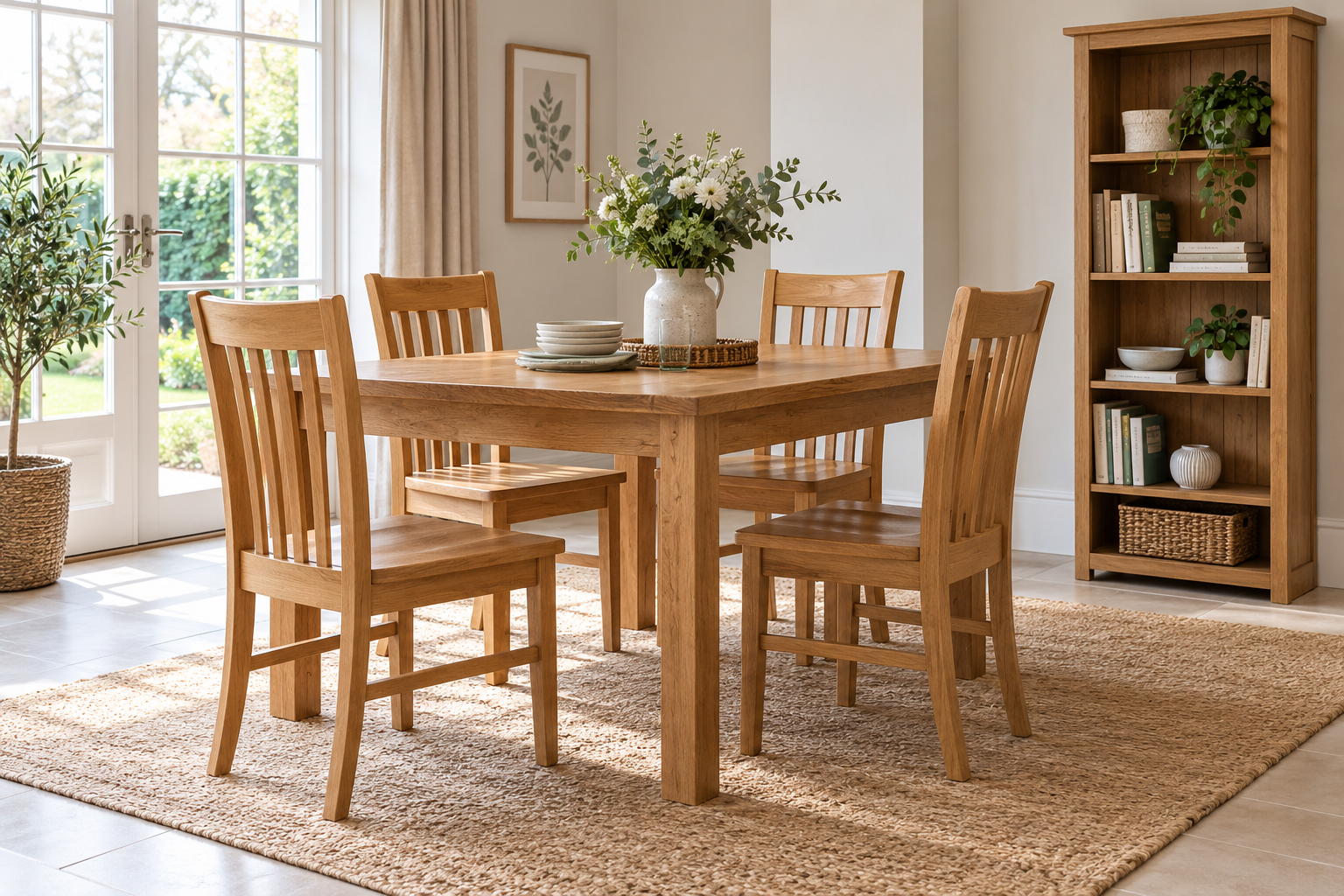
Give the dimensions of long tables, bookcases and other pieces that may not pass easily through doors.
Avoid booking a collection as just a few large things. A two-seater sofa, a reclining chair and a tall wardrobe each have different handling needs. Include quantities, approximate dimensions and any detachable sections. If more than one room is involved, say where each piece is located. A photo should show the whole item, not just the front of it. Keep the description up to date if some furniture is removed before the confirmed visit.
Check the narrowest doorway and the tightest turn between the item and the loading point. Include stair landings, corridors, low ceilings and garden gates. A large piece may have entered through a route that is no longer available, or before other fittings were installed. Mention those changes when booking. Do not assume the crew can make a piece fit simply because it is described as bulky waste. Accurate dimensions help reveal problems while there is time to plan.
Tell us the floor and whether there is a working lift suitable for the item. Include lift dimensions where the fit is uncertain, any booking requirement and building rules. If the nearest lawful loading space is some distance away, give a realistic estimate of the carry. A ground-floor item by the door differs from one on an upper floor behind several narrow turns. The loading arrangements and team need to suit the actual item and route.
Identify bed frames, wardrobes, tables or other furniture that needs taking apart. Explain how the item is assembled and whether fixings are accessible. Dismantling is extra work to be assessed, not an assumption hidden within the word removal. Do not attempt unsafe disassembly or damage upholstered furniture just to make it smaller. Fitted units, attached structures and specialist disconnection are different from ordinary freestanding items and should be described separately before booking.
Remove retained contents from drawers, wardrobes and storage beds. Check pockets and compartments for personal belongings. Label the furniture to go if similar pieces are staying, and keep the route clear without blocking exits or shared areas. Tell us about loose glass, broken edges or parts that can fall off. An on-site contact should be able to identify the agreed items and provide access during the confirmed window, especially for a landlord or family-arranged collection.
A wardrobe full of bags or a sofa piled with loose rubbish is more than a collection of the furniture alone. Include every extra bag, box and material when requesting the quote. Heavy renovation debris, electrical equipment and unusual contents need their own description. If the list changes, contact Scrappa before arrival so the job can be reviewed. Check the full price and scope before payment and retain the digital waste transfer note following completion.

Use your full Nelson postcode and collection address.
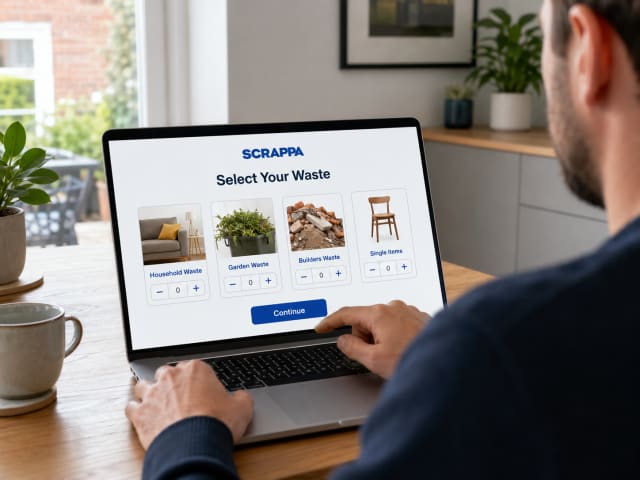
Give types, quantities, dimensions and any loose extras.

Include stairs, carry distance and dismantling requirements.
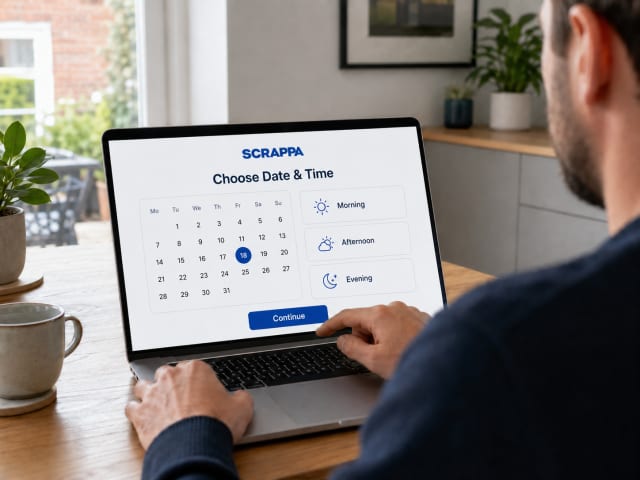
Choose a collection time when access and the contact are ready.
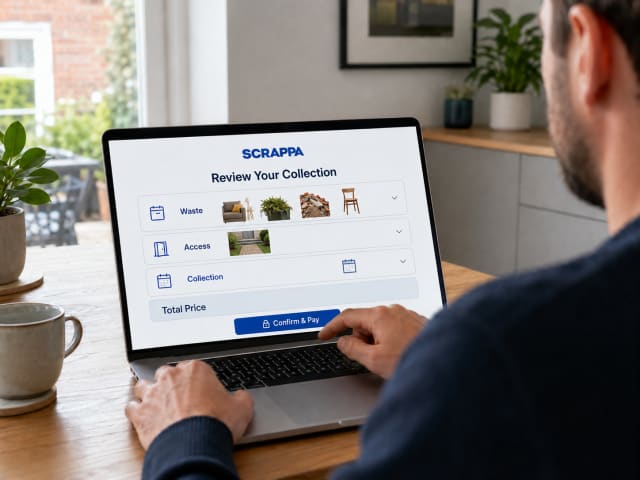
Check the item list and full breakdown before confirming.
Use your full BB9 postcode and exact property details. Around Carr Road and Victoria Park, or elsewhere in town, explain whether the collection starts indoors, in a rear yard or in an outbuilding. Give the actual loading entrance and any stopping restrictions. Do not assume that being close to the main road means there is space for a vehicle to load. Available dates depend on the address, items and access.
Compare a loaded bulky collection with other available services by looking at the item limits, preparation rules, loading arrangements and time offered. A skip is not automatically suitable for every bulky item, particularly electricals or items requiring separate handling. If you plan to sell or donate usable furniture, complete that arrangement before the confirmed removal and update the list. No universal reuse outcome is promised.
List each piece and quantity, plus any loose waste. The quote and collection must cover the whole load.
Large household furniture and similar awkward items need a specific description. Name the item rather than relying only on that label.
Give the floor, route, stairs or lift and item dimensions. The collection has to be assessed for that access.
No assumption should be made. Explain the furniture and required work before booking so it can be included where agreed.
Name every appliance separately, including size and any connection or preparation issue. Do not hide it within a furniture-only list.
Explain its current position and access. Avoid moving a heavy or awkward item yourself if it would be unsafe.
Enter your address, list every bulky piece and explain the way out. Review your collection options and complete quote before booking.
Start your collection quote