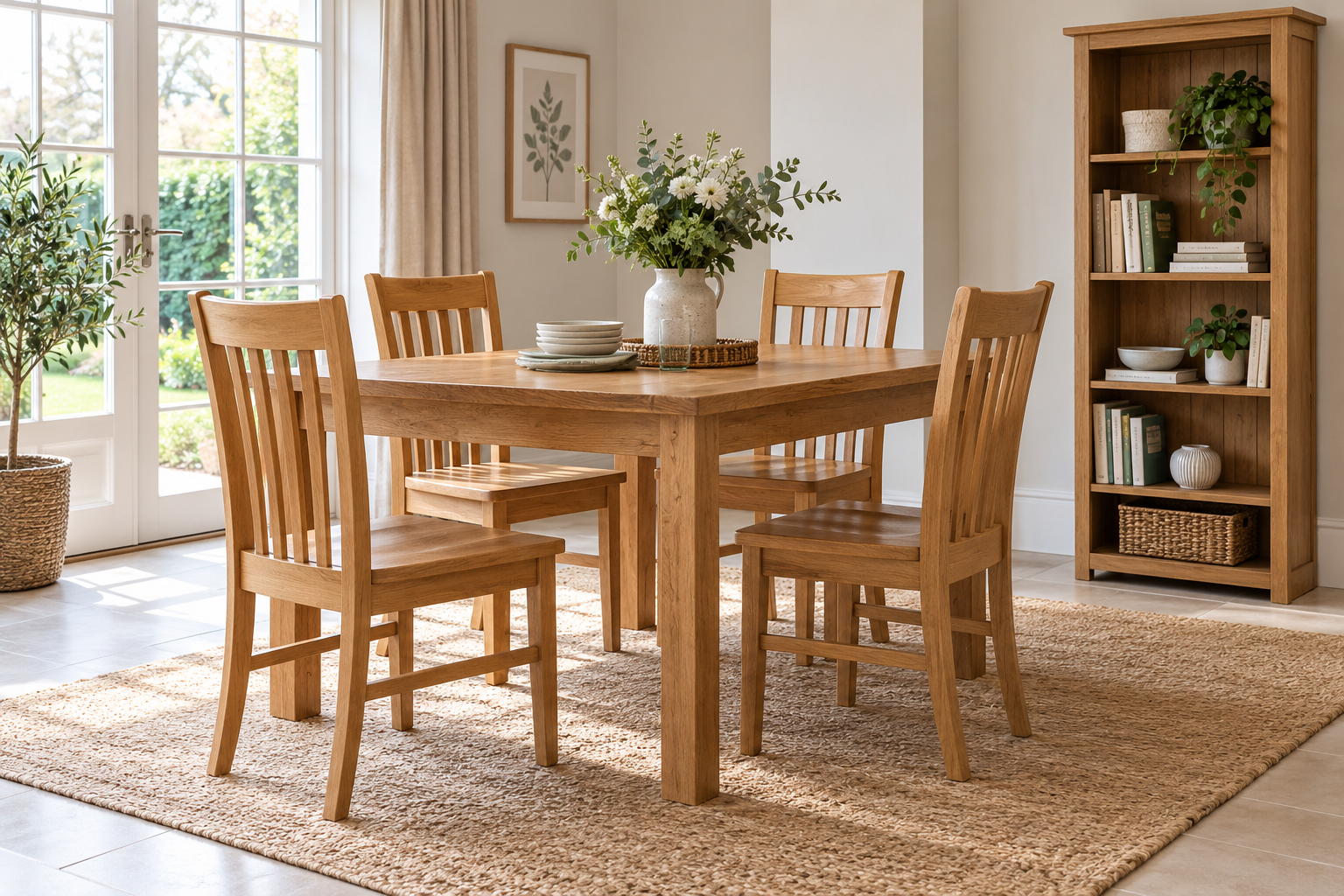
Tables, chairs and bookcases
Give the number of chairs and the dimensions of long tables or tall shelving. Mention glass or loose panels.
Changing a room should not leave you stuck with the furniture it replaces. Arrange furniture removal in Nelson for the pieces you no longer need, with the size, room location and exit route explained in advance. Scrappa helps you review the work and complete price before booking.
Give the number of chairs and the dimensions of long tables or tall shelving. Mention glass or loose panels.
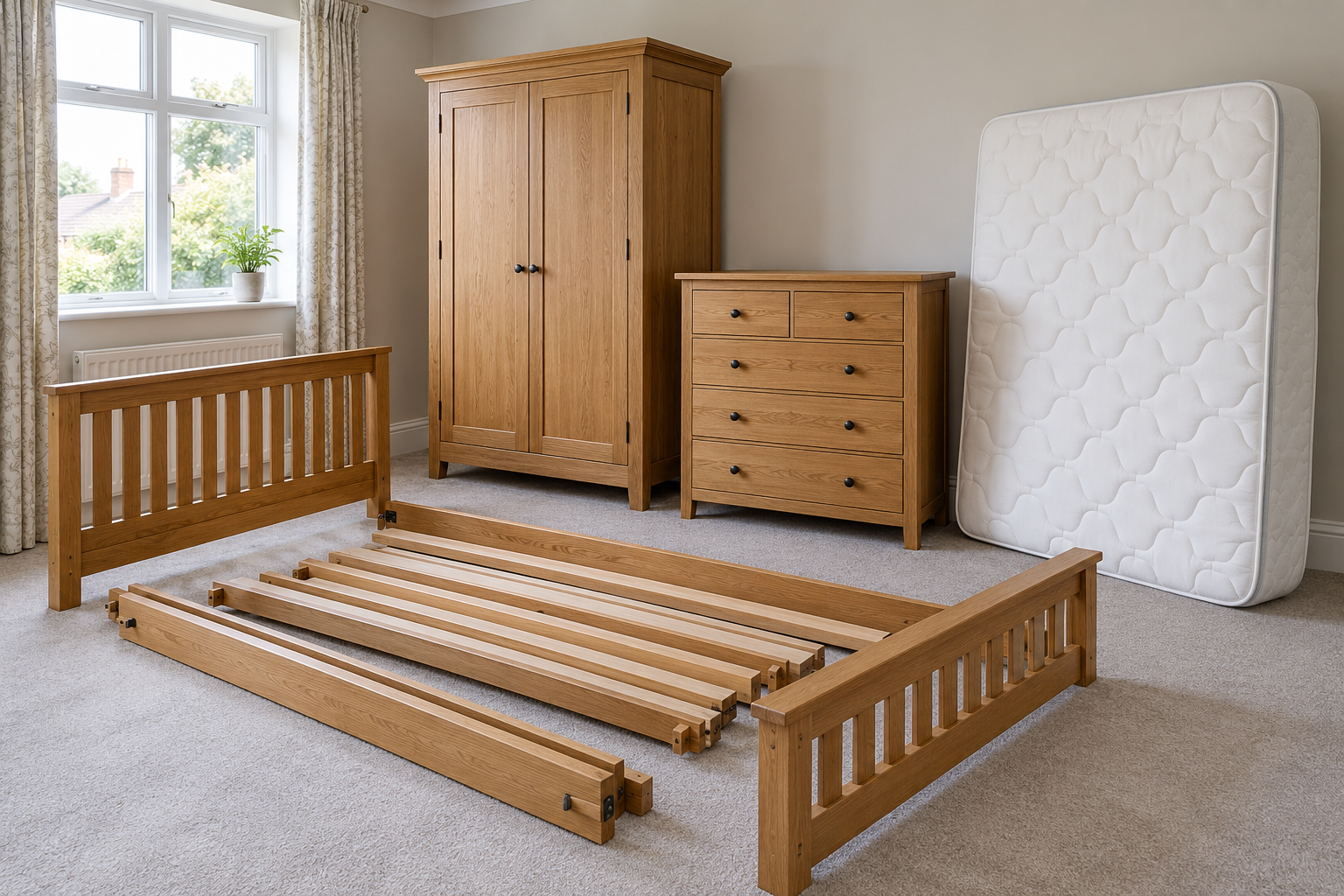
Identify bed frames and mattresses separately, and explain whether larger storage furniture needs dismantling.
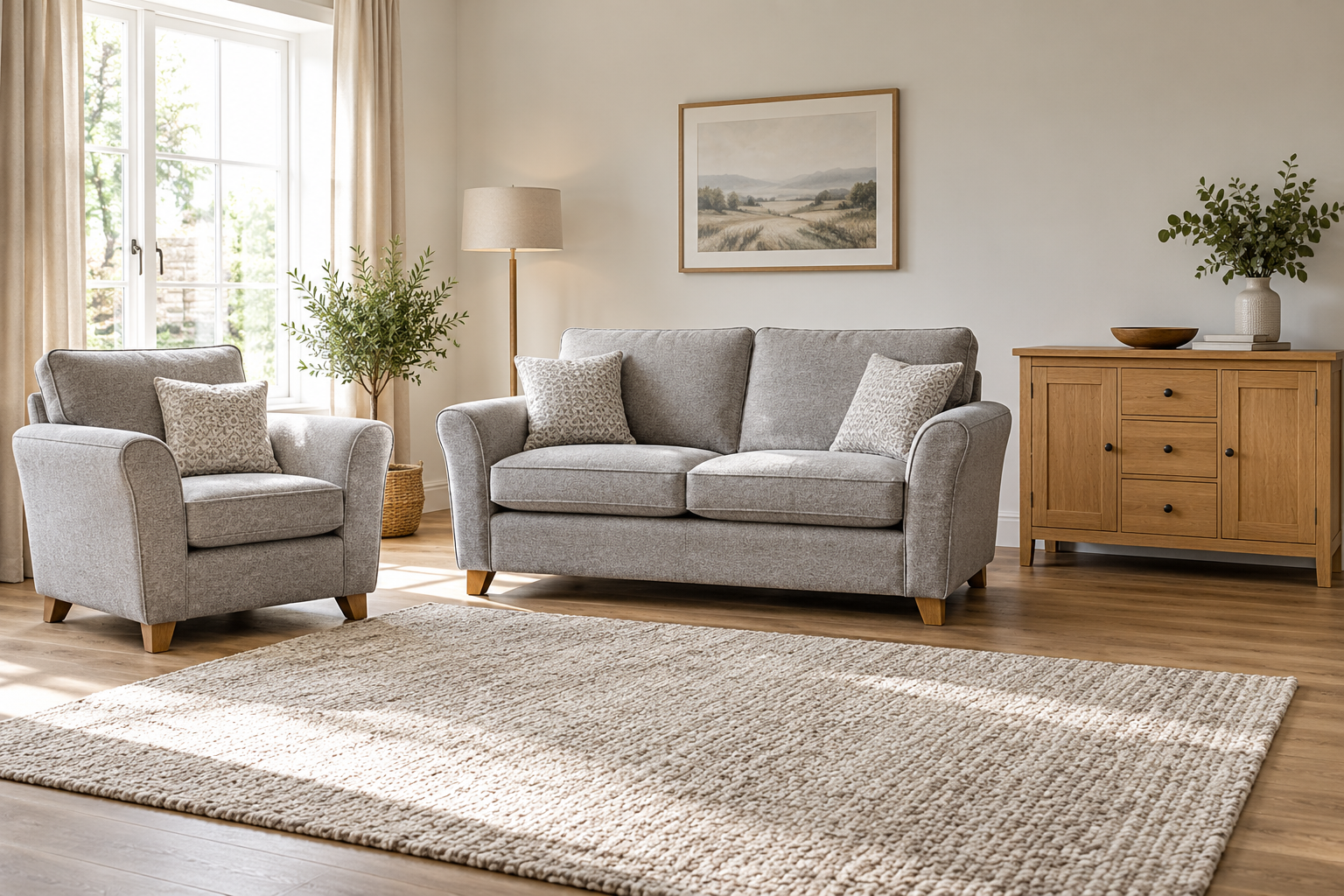
Describe the seating type and any heavy mechanisms. Include storage furniture as a separate item.
Write a list of the furniture to leave, including quantities, approximate width, depth and height for awkward items. A dining set should identify both the table and the chair count; a bed should show which components are included. Mention large mirrors, glass shelves or stone surfaces separately. Photographs can explain shape and condition, but the written description should still name each item. This gives the collection a clear scope and helps identify access issues before the date is fixed.
Check every drawer, cupboard and storage compartment for belongings you intend to keep. Remove loose contents rather than assuming they can travel inside the unit. A filled chest of drawers can be much heavier than an empty one, and contents can shift during handling. Keep retained keys, documents and valuables in a separate place. If the collection also includes bags or boxes, list those as additional waste so they are not confused with items left inside furniture by mistake.
Consider the route out before taking furniture apart. Some wardrobes and bed frames need disassembly, while other pieces can leave intact. Explain the work required and whether fixings are accessible. Do not assume dismantling is included simply because the furniture is large. If a unit is fitted, attached to a wall or incorporated into a room, describe it as such: removing fixtures is different from carrying out freestanding furniture. Avoid unsafe cutting or improvised lifting to prepare.
Measure the narrowest doorway and note tight corners, low ceilings and stair landings. Furniture may have been assembled in the room, so the fact it is already indoors does not prove it can leave whole. Tell us about narrow gates and the route through shared areas as well as the interior. If a door or access route has changed since the item arrived, mention that. A planned route is more useful than discovering an impassable turn during collection.
State which floor each large piece is on, whether there is a suitable lift and how far the collection point is from lawful vehicle loading. Building access rules, lift reservations and locked communal doors should be organised before the visit. If furniture is in several rooms or a separate garage, explain the locations. Keep the route clear while respecting fire exits and shared spaces. Do not move an awkward or heavy piece yourself where doing so would create a risk.
If you sell a table, add a wardrobe or discover that an item is fixed in place, update Scrappa before the visit. The agreed collection should match the final list and access. Review the full breakdown before payment and make sure the on-site contact can identify the correct pieces. Removal of furniture does not automatically include cleaning, wall repairs or floor repairs. Keep the digital waste transfer note after the completed collection for your records.

Confirm your full Nelson postcode and the collection entrance.

Name every piece and its quantity, size and condition.

Add floors, stairs, lift details and any dismantling request.
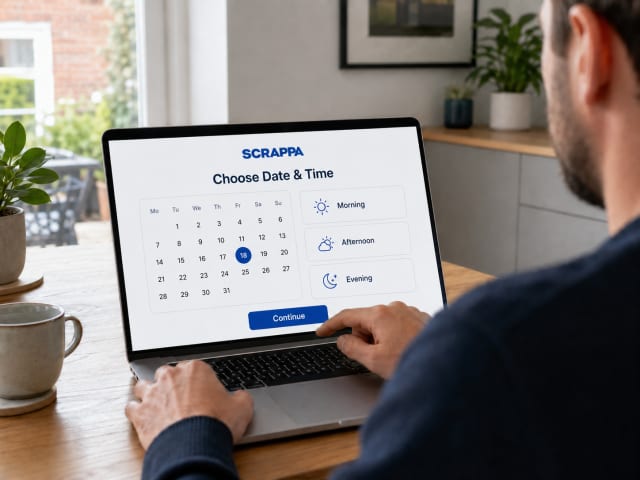
Select an available date when the property contact can provide access.
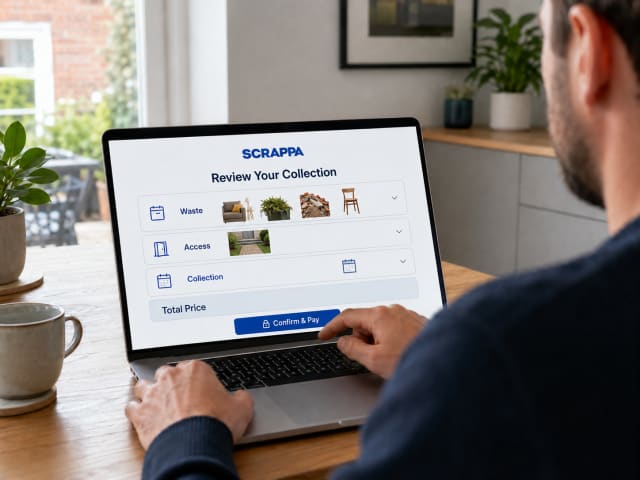
Check the final furniture list and complete quote before payment.
Use your exact address and full BB9 postcode for a property around Carr Road, near Victoria Park or elsewhere in Nelson. A rear entrance, shared alley or upstairs flat needs its own access explanation. Give the closest lawful loading point and any restrictions rather than assuming a vehicle can stop outside. Available collection times depend on the furniture and route, and must be confirmed for the specific booking.
If furniture is suitable for reuse, you may prefer to arrange a sale or donation before the confirmed removal. Check the recipient’s condition and acceptance requirements rather than assuming everything will qualify. For furniture you want collected as waste, compare services on the full item list, access and loading arrangements. A skip may be useful for a wider project, but acceptance rules and available space still need checking.
Start with the address and describe the single piece, its dimensions and access. Review the options offered for that job.
List both if both need to go. Include any headboard or additional bed components too.
Explain its size and the exit route. Any dismantling requirement needs to be reviewed before booking.
Describe fitted or attached units separately. Do not assume fixture removal is included in a freestanding furniture collection.
Tell us about glass tops, shelves and any damage so the handling can be assessed. Do not conceal broken pieces inside other waste.
No reuse outcome is guaranteed. If donation is your priority, arrange an accepted donation before finalising the waste collection.
List the furniture, explain the route and start with the collection address. Review availability and the complete price before confirming.
Start your collection quote