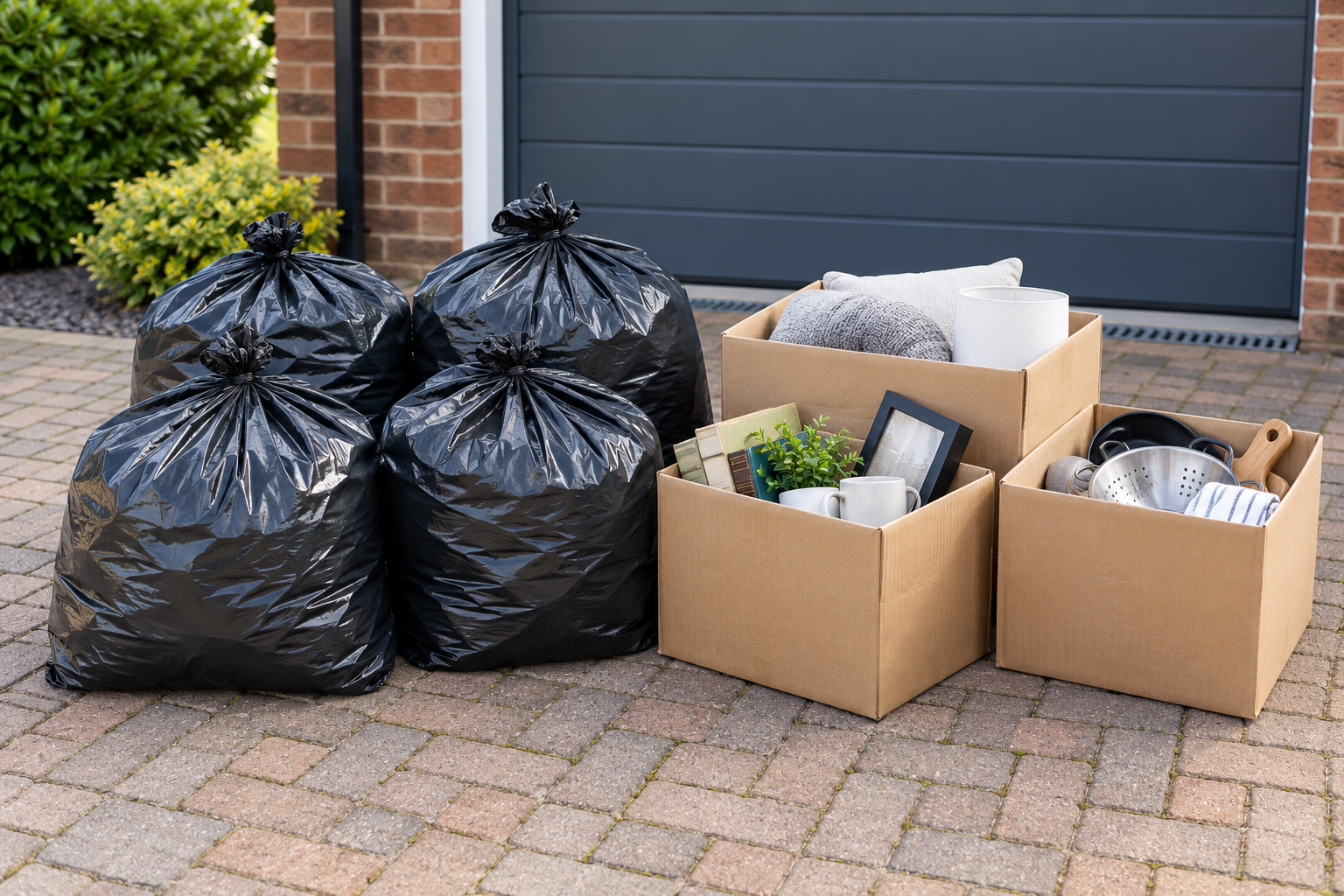
Bagged rubbish and packaging
Count bags and boxes and describe the contents. Flag damp or dense material, and explain whether packaging is loose, flattened or mixed with other waste.
SCRAPPA • LEYLAND COLLECTIONS
A useful waste collection quote begins with a clear picture of the job. Tell Scrappa what is ready to go, where it is at your Leyland property and how it can reach the vehicle. Separate light rubbish from bulky or dense material so the collection can be assessed accurately.
Get a waste removal quoteCount bags and boxes and describe the contents. Flag damp or dense material, and explain whether packaging is loose, flattened or mixed with other waste.
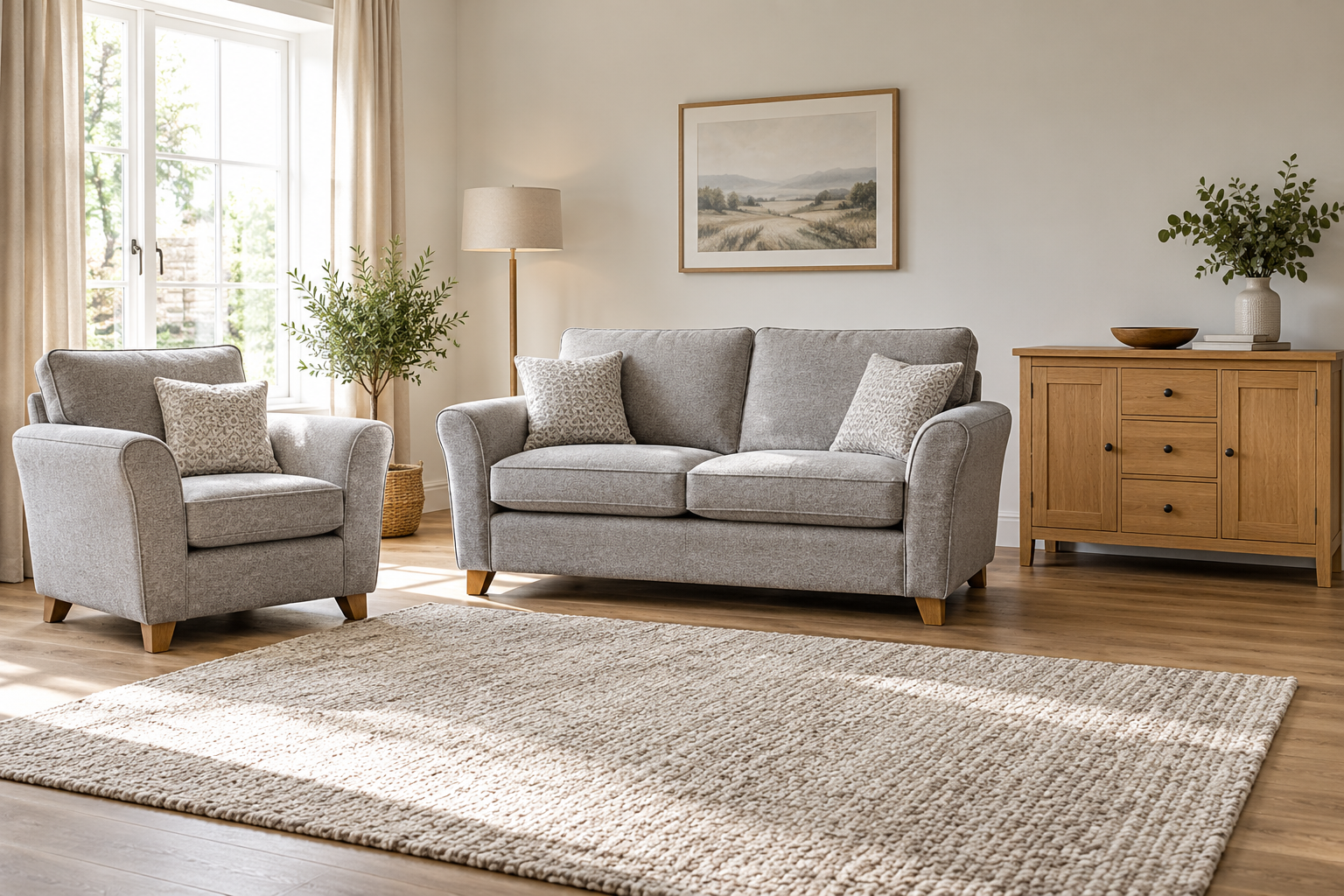
List sofas, armchairs and storage units individually. Give approximate dimensions and mention reclining or folding mechanisms that change the size or weight of a piece.
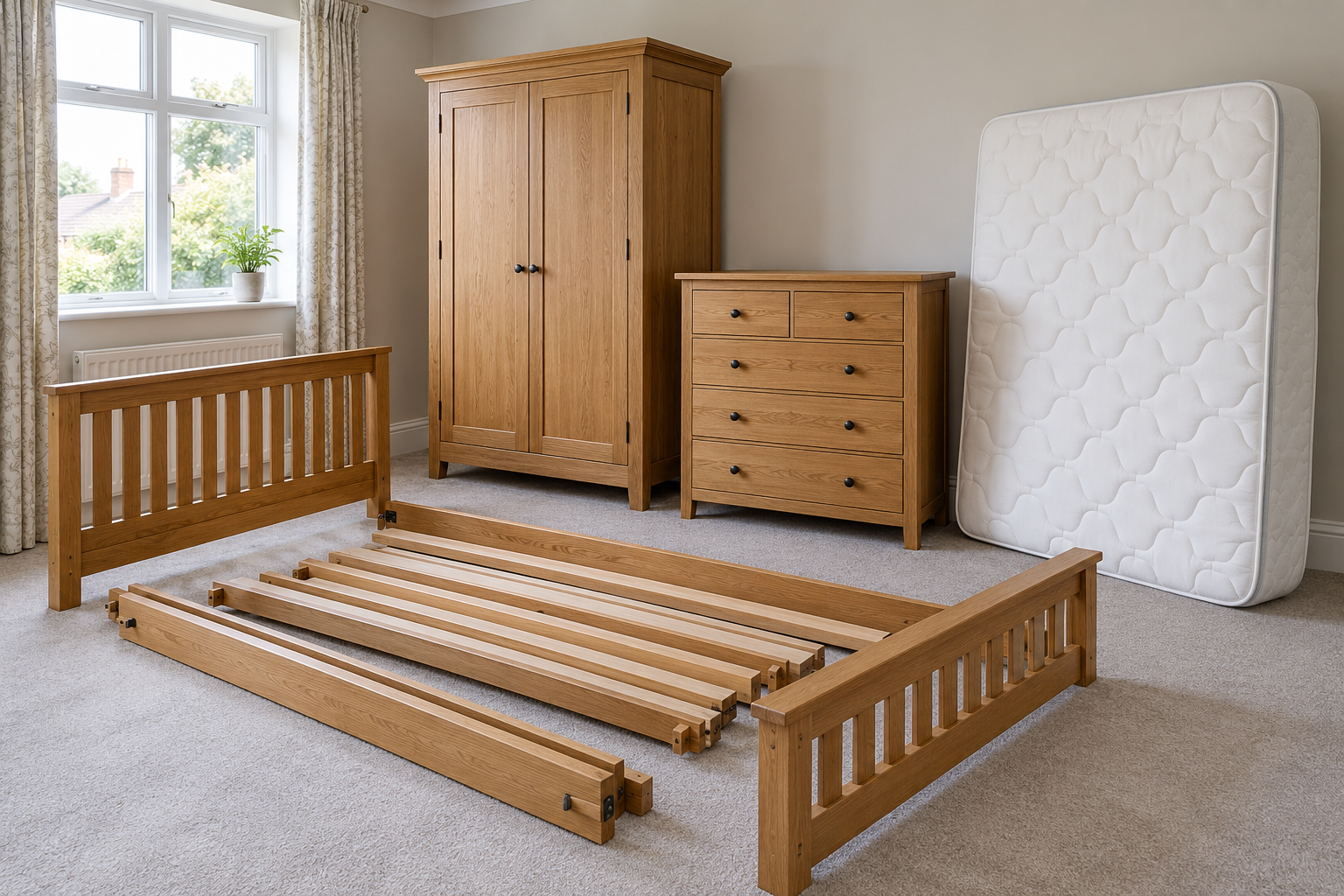
Describe each mattress, bed component, wardrobe and drawer unit separately. Tell us if items are assembled and whether they are upstairs or behind a restricted exit.
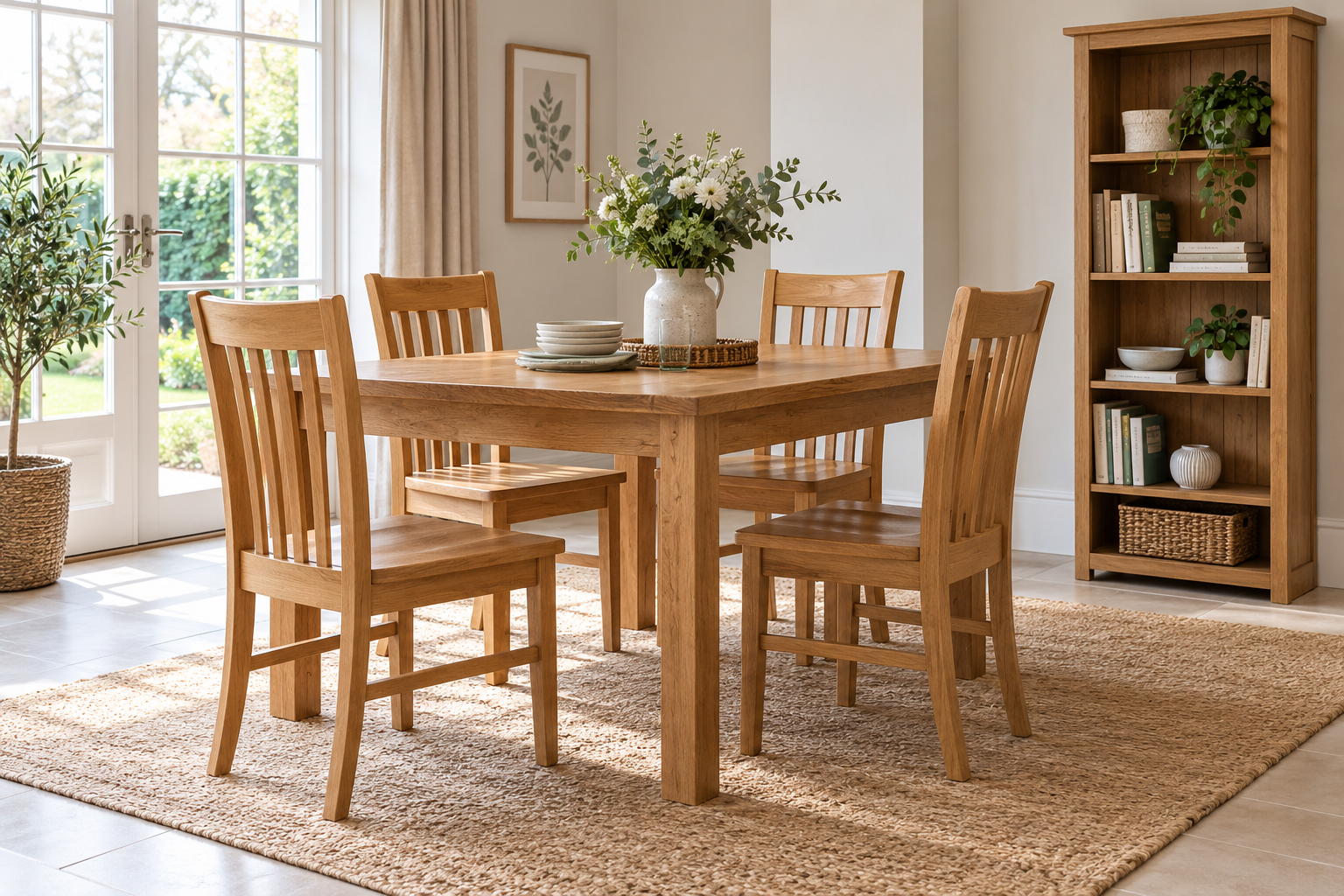
Count chairs, measure larger tables and identify glass or heavy solid wood. Empty shelves and cupboards before collection, keeping personal belongings separate.
PR25 is a useful local postcode example, but your precise address and access description are what make a collection request meaningful. A house near Worden Park, an upper-floor flat and a property with rear access can have very different loading routes.
When explaining an address near Ecroyd Street, Sumner Street or Churchill Way, mention the actual stopping restrictions and distance to the waste. Nearby public car parks do not automatically provide a lawful loading position at the property.
For managed or shared buildings, check who can authorise access, whether the lift can be used and if loading hours apply. Explain gates and steps as well as the main entrance so the quote can be assessed against the whole route.
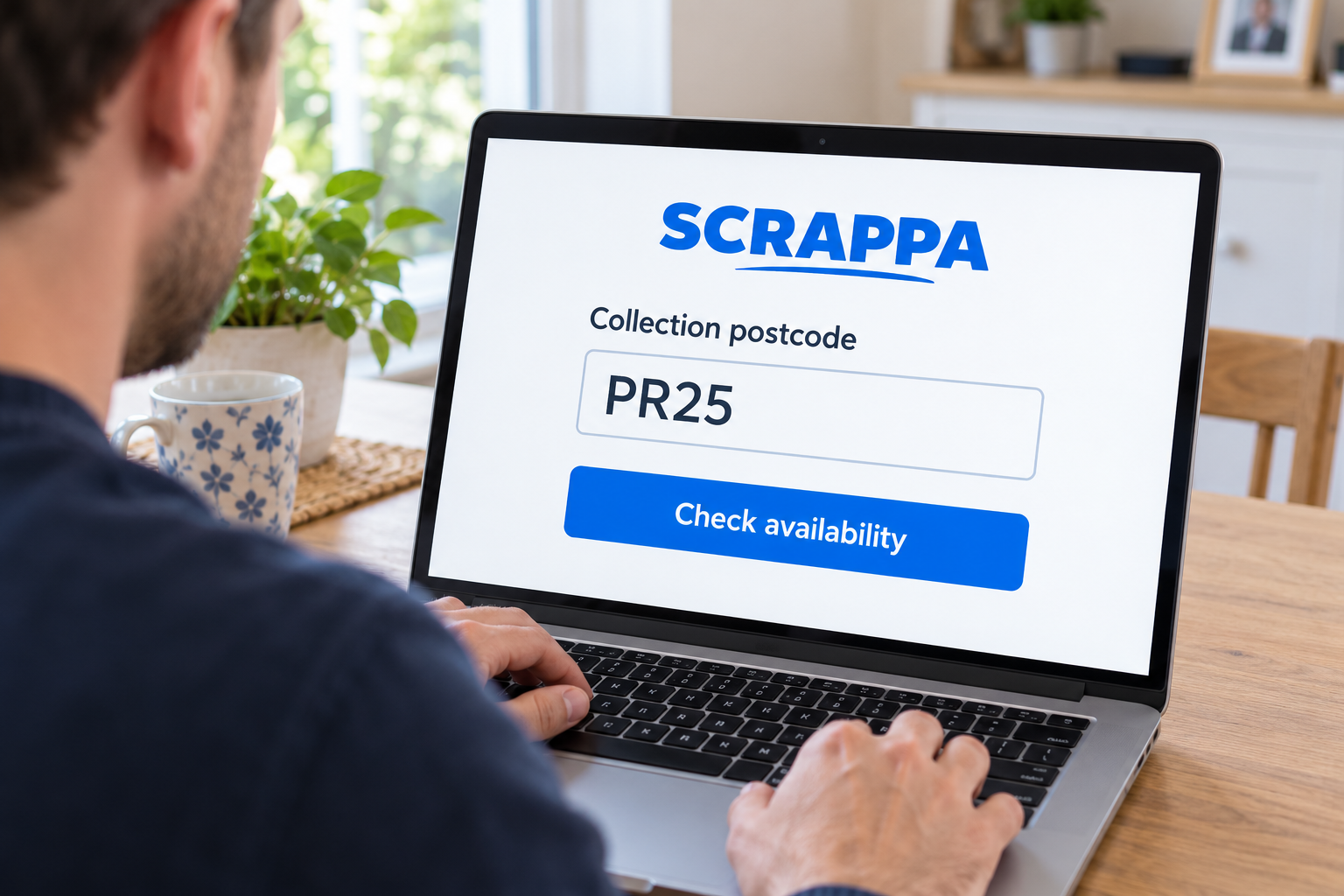
Start with the full postcode and address for your Leyland property. The first illustration uses PR25 as a local example; enter the actual postcode when checking options.
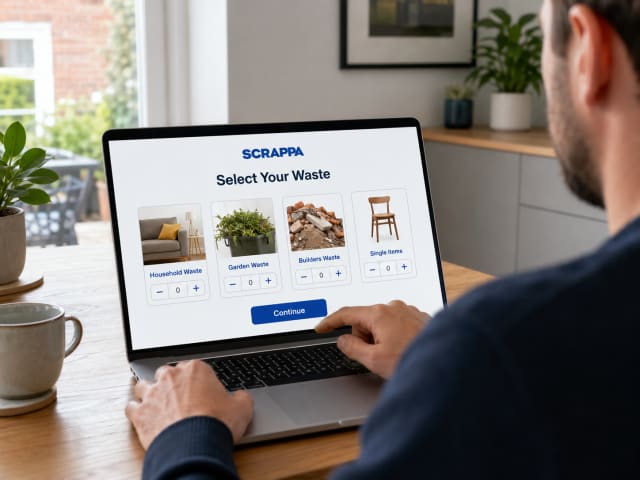
List item types, quantities and sizes. Separate furniture, bags and any unusual material so every part of the collection is declared.

Explain where the waste is, which floor it is on and the route to a lawful loading position. Mention gates, stairs and long carries.
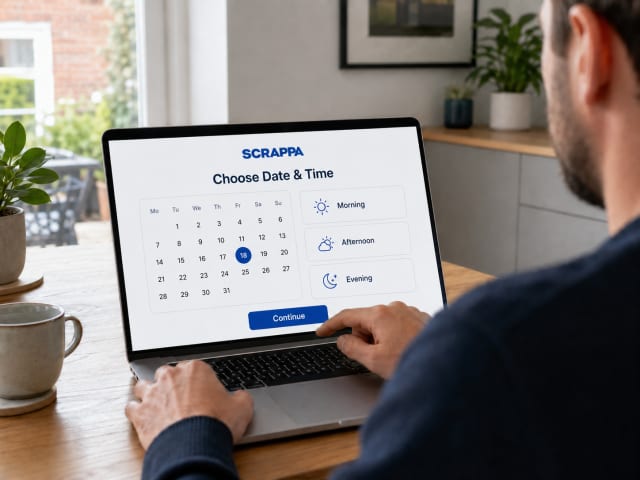
Review the available date options and organise an authorised contact who can provide access. Only rely on a date after your booking is confirmed.
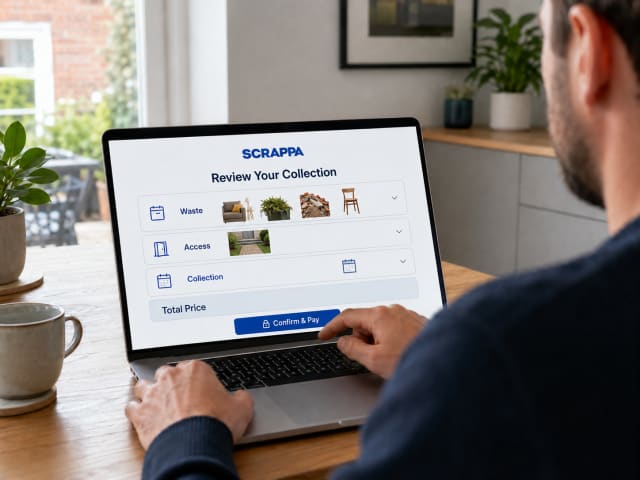
Check the price, accepted waste and access arrangements. Update the description if the pile changes before collection.
A written item list lets you compare the quote with the actual pile. It also makes clear what is staying at the property and what is intended for removal.
Bags of light packaging and bags of soil are different jobs. Explaining the material avoids relying on volume alone when a collection is assessed.
Tell us about floors, stairs, gates and the loading position before booking. The path from the waste to the vehicle is part of understanding the work.
Look behind the main pile and in every room included in the job. List small extras as well as the obvious bulky items. A whole-property request needs more detail than a description of what is visible by the door.
Tell us which bags contain normal household rubbish, which hold packaging and whether there is any dense material. Soil, rubble and renovation waste need to be declared and assessed rather than hidden in ordinary bags.
Remove documents, keys, medicines, valuables and items you intend to keep. Check drawers and cupboards before listing furniture. If other people use the space, agree the collection inventory with them first.
Tell us about furniture fixed to walls, appliances still connected or pieces that will not pass through the exit. A waste collection does not automatically include building work, disconnection or dismantling. Agree those requirements before booking.
Describe liquids, containers with unknown contents, batteries, sharp objects and suspected hazardous material separately. Acceptance is not automatic. Keep uncertain items aside while you ask how they should be dealt with.
Leave doors, stairs and shared routes clear and avoid creating an unstable pile. Do not move heavy items alone merely to put everything outside. Agree the collection position and explain any access restriction first.
If the pile grows during a clear-out, request a scope update. If an item is sold or retained, say so as well. The collection plan should reflect what is actually waiting rather than an out-of-date list.
Decide the rooms and items included. Separate retained belongings and describe any heavy or unusual waste before asking for a quote.
Agree the collection list and access with the people involved. Coordinate the visit with the confirmed handover arrangements.
Provide authority, a keyholder and a clear inventory. Identify belongings or fixtures that must remain.
Explain what has already been removed and what is left. Avoid quoting from an older pile description if the scope has changed.
A defined collection can suit a ready list of items when the loading arrangements are agreed. For an ongoing project producing waste over several days, compare that with a skip, including its placement, waste restrictions and whether you can load it yourself.
If considering a council collection, check the current service conditions and available dates directly. Different routes can accept different materials. No collection should be described as suitable for every waste type, and we do not promise universal donation or recycling outcomes.
Yes, describe the waste, quantities and access to request a quote. The job is assessed from its details rather than a general small-load label.
Include every item type in the quote request. A mixed list must be assessed and accepted; do not assume a bagged-rubbish booking includes bulky furniture.
Explain where it is now and agree the collection position. Avoid blocking pavements, shared corridors or exits while waiting.
Describe their contents and weight as accurately as possible. Dense or wet material needs separate assessment rather than being concealed under a bag count.
Ask for an update before collection. Additional waste may affect the scope, price or vehicle arrangements.
Materials, condition and receiving options affect the route after collection. We cannot promise that all waste will be recycled, donated or reused.
List the materials and bulky items, then add the access details. Review the available collection options and quote against that description before confirming your booking.
Get a waste removal quoteOther areas: Waste Removal Preston · Waste Removal Chorley