Waste Removal in Chorley
Arrange collection of the waste you need removed, with materials, quantity and access entered before the complete price is shown.
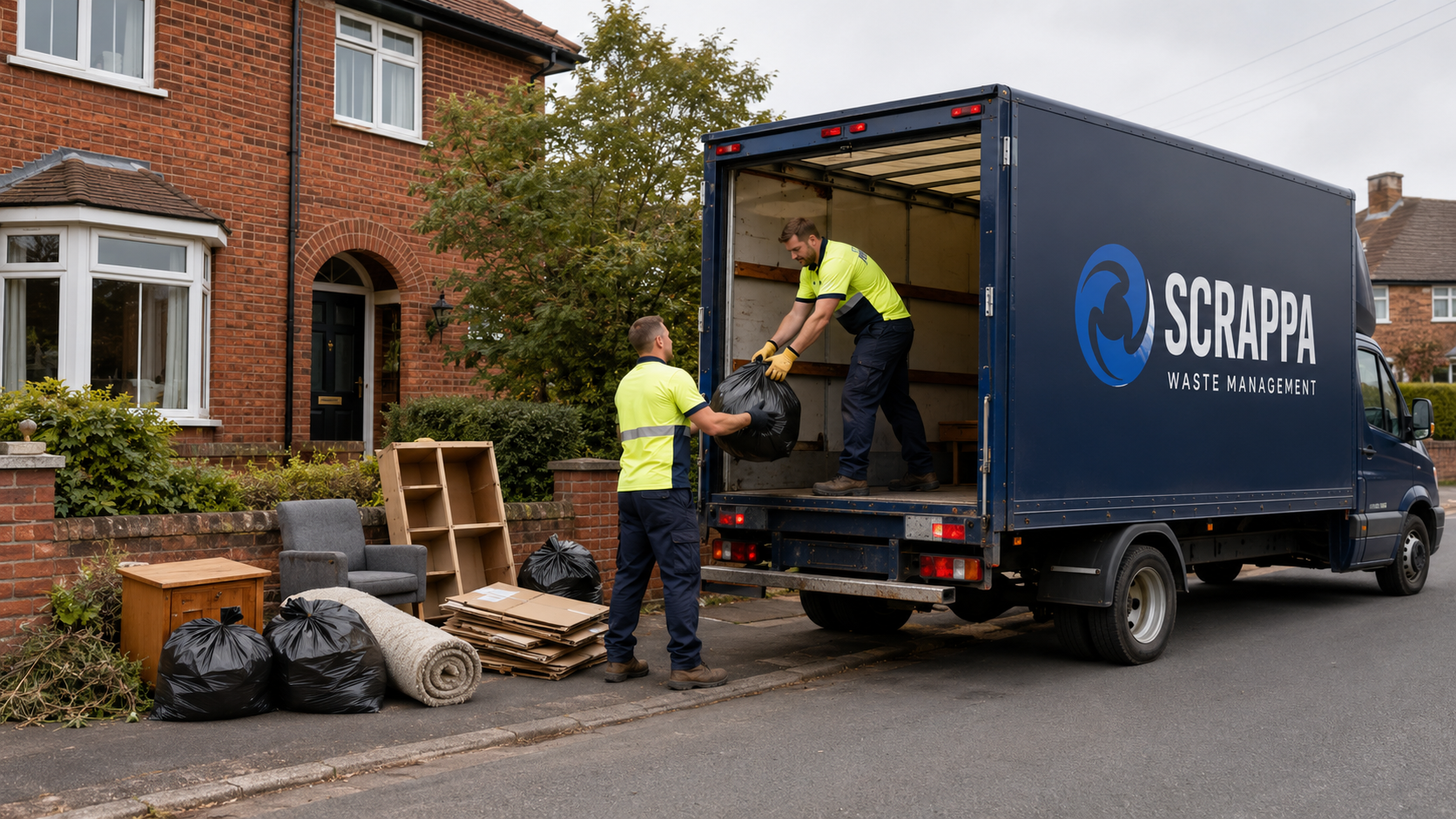
Start with the waste, then plan the collection
Material type, weight and loading access all help define a suitable booking.
The full load in one description
List bulky extras and hidden waste along with the main pile.
Materials distinguished correctly
Keep green cuttings, dense waste and specialist items clear in the booking.
Access reflected in the quote
Give stairs, gates, carrying distance and preparation requirements.
Available collection windows
Choose from the slots offered for your address and collection details.
The Chorley waste collection booking process
Address, waste, access, availability and full quote before confirmation.

Begin with the collection address
Enter your postcode and contact details so the booking starts with the correct property.
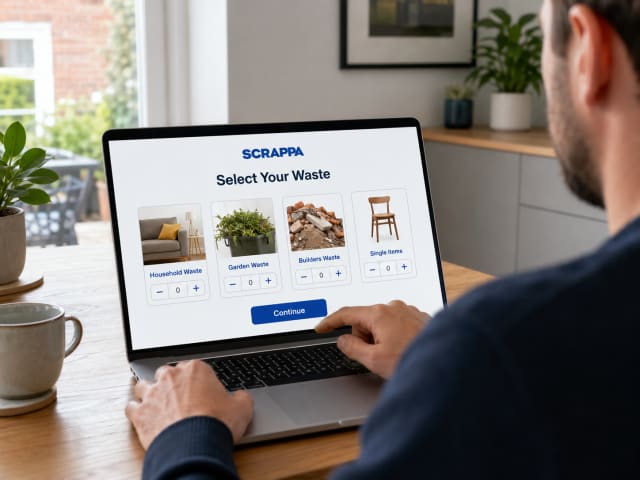
Add everything being removed
Choose the waste or items and include the full quantity, including extras.

Describe the loading route
Give floors, steps, lifts, parking, carrying distance and any dismantling required.
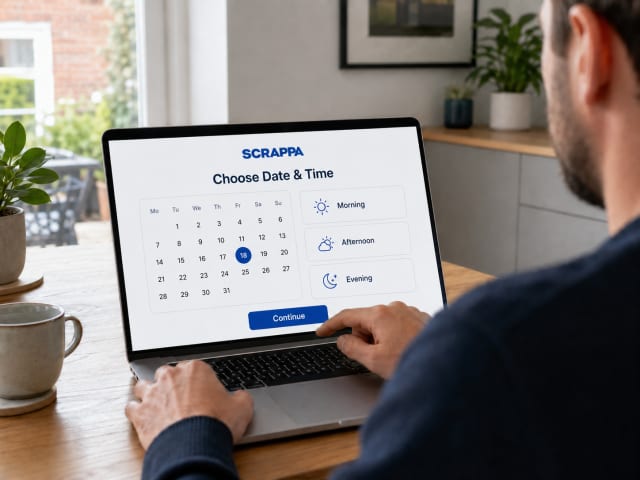
Choose a collection window
Select a date and time offered for your address and job.
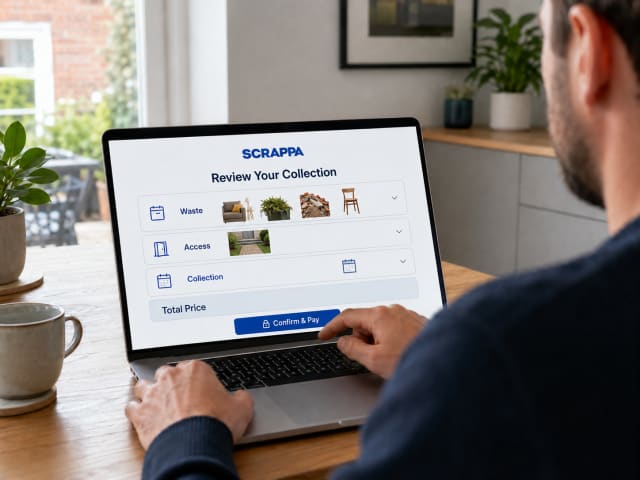
Review the quote before booking
Check the breakdown, item list and access information before confirming.
Choose the material description that fits
Declare different materials and special items rather than placing everything under a general label.
Household loads
Describe bags and loose rubbish, including contents and approximate quantity.
Furniture and bulky items
Name each large piece and declare seating, mattresses and appliances individually.
Garden cuttings
Identify leaves, branches and trimmings separately from soil or turf.
Heavy or specialist waste
Declare rubble, plasterboard, dense materials and unknown substances for assessment.
Collections for Chorley homes and premises
Explain where the waste came from and who will authorise access for removal.
Chorley households
Arrange removal of the agreed unwanted contents after separating belongings you are keeping.
Landlords and agents
Provide an authorised removal list, a keyholder and clear access instructions.
People moving or reorganising
Plan the collection around the contents you have finished sorting.
Small businesses
Describe commercial waste and premises access so a suitable collection can be assessed.
Waste collection or skip hire for your project?
Compare the project duration, material acceptance and who will carry and load the waste.
A skip may fit an ongoing job
- ✗You want to add accepted waste over several days.
- ✗You have an appropriate place for the container.
- ✗You can arrange safe lifting and loading yourself.
A collection may fit a finished clear-out
- ✓The rubbish has been identified and is ready for a booked visit.
- ✓You want the agreed loading assessed as part of the job.
- ✓You need a quote based on the materials and access described.
Waste collection routes in Chorley
Give the actual loading entrance and distance from the waste to the vehicle.
Licensed Waste Operations in Chorley
Around Astley Village, Park Road and Southport Road, explain front or rear entry, gates, steps and the location of the waste. For central addresses near Market Street, describe the legal loading point and relevant access restrictions. The PR6 or PR7 postcode helps identify the address but does not replace practical loading details.
Arrange gate keys and avoid blocking public paths or neighbouring access.
Give quantities, heavy materials and specialist items before reviewing the price.
Waste Removal coverage in Chorley
Check the complete address and available collection dates. Local reference areas include:
Choose a suitable Chorley waste collection
Describe materials before selecting a load
Begin with what the waste contains. Household rubbish, cut branches and dense rubble have different weight and handling requirements. Name each material and identify specialist items separately, even where they occupy only a small part of the visible pile.
Include every part of the job
Count bags, list bulky pieces and show the complete load in photographs. Check areas behind furniture and say if another room or outbuilding is included. Keep retained possessions separate and do not assume a general clearance label communicates everything at the property.
Distinguish space from weight
A compact pile of soil, tiles or rubble can be heavy compared with a larger household load. Declare dense or wet contents accurately rather than hiding them in ordinary sacks. Ask Scrappa if the material mix does not fit the booking options before you confirm the quote.
Explain access at the Chorley address
Supply the full postcode and practical entrance. State floor levels, stairs, gates, narrow passages and distance to a lawful loading point. For town-centre premises, include restrictions affecting the actual vehicle route rather than relying on nearby public parking as an assumed loading area.
Prepare items with different requirements
Mattresses, upholstered seating and appliances should appear individually in the booking. Arrange suitable appliance preparation and declare furniture dismantling needs. Identify chemicals, gas bottles or unknown materials before acceptance and handling can be checked.
Choose an available collection window
Check the slots offered for the address and load. Discuss urgent deadlines before relying on removal today, and arrange an authorised person to give access. Availability depends on a suitable collection plan rather than the general service-page name.
Review the final price and scope
Read the full load list, access details, extras, date and quote before confirming. Contact Scrappa when more waste is added or the route changes. The collection covers the job described, so extra rooms, hidden piles and new material types should be agreed before arrival.
Start your Chorley collection quote with your postcode, add the complete load and access details, then review the full price before confirming.
Waste removal questions in Chorley
Material types, pricing and collection access.
How is a waste collection priced?
The quote depends on the waste, quantity, weight, access and extras. Enter the complete details to review the price breakdown before confirmation rather than relying on a generic starting price.
Can waste be collected from inside the property?
Describe the actual location, floors, stairs, suitable lifts and carrying route. The collection must be assessed and booked for those conditions.
Is same-day collection guaranteed?
No. Availability depends on your address, load and collection capacity. Choose a confirmed available slot or discuss an urgent request before relying on removal today.
Can rubble or soil be included as household waste?
Declare them separately. Dense material can weigh much more than household rubbish at the same volume, so the collection option needs to match the materials.
Can every type of waste be accepted?
No assumption should be made. Identify hazardous, unknown and specialist contents before booking so acceptance and suitable handling can be checked.
What if my load or access changes after booking?
Contact Scrappa to agree any revised scope, loading arrangements or price before the visit. The quote is based on the job details provided.
Get your Chorley waste collection quote
Enter the address, describe all materials and access, then review the complete price before confirming.
Book Your Collection NowWaste Removal in nearby areas
Need waste cleared in an adjacent town? Our mobile crews operate across neighbouring boroughs.