Furniture Removal in Chorley
Arrange collection of unwanted furniture with a clear list of the pieces, preparation and property route.

Furniture removal starts with the right details
A precise item list makes it easier to plan loading and protect the possessions staying behind.
Selected pieces or several rooms
Name only the unwanted furniture that forms part of your collection.
Dismantling identified first
Say if a unit was assembled in the room and cannot leave intact.
The route checked in advance
Describe doors, turns, gates and floors before confirming.
A full price to review
Check the item list and loading requirements together with the quote.
Furniture types to include in your booking
Quantities and dimensions help distinguish a small item from a larger removal.
Wardrobes and cabinets
Give dimensions, floor level and whether the item needs dismantling.
Tables, desks and chairs
Count every piece and flag glass tops, solid stone or unusual weight.
Bedroom furniture
List beds, drawers and storage units separately; include mattresses if required.
Upholstered furniture
Name sofas and chairs accurately, including reclining or sofa-bed mechanisms.
Book a collection for unwanted furniture
List the pieces, explain access and select an available collection window.

Begin with the collection address
Enter your postcode and contact details so the booking starts with the correct property.

List the large items
Give item types, quantities and approximate dimensions.

Check lifting and exit details
Explain floors, narrow turns, carrying distance and any dismantling.
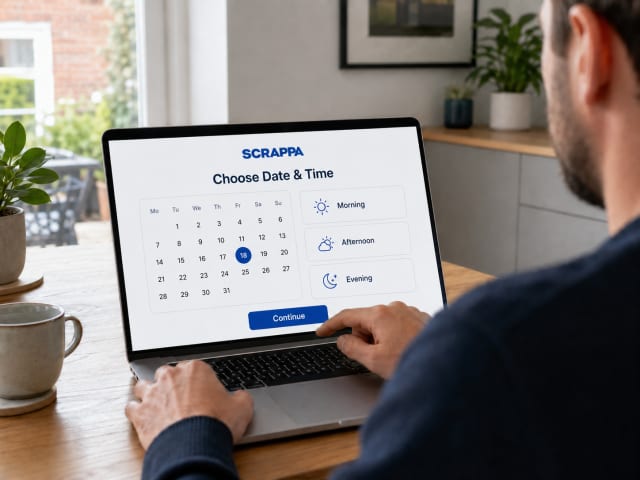
Choose a collection window
Select a date and time offered for your address and job.
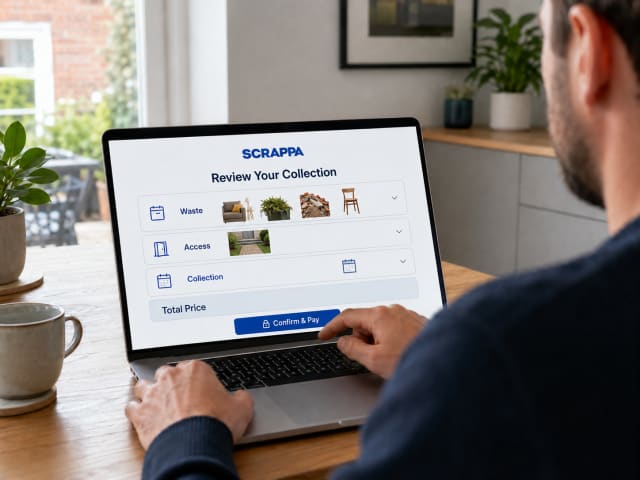
Review the quote before booking
Check the breakdown, item list and access information before confirming.
Furniture collections for Chorley spaces
For unwanted furniture disposal after the pieces you want to keep have been identified.
Households replacing furniture
Coordinate old furniture removal with your available space and access plans.
People downsizing
Select the pieces you are not keeping for the next stage of your home.
Landlords and agents
Provide an authorised furniture list and property access contact.
Small workplaces
Describe workplace furniture and building loading arrangements in advance.
Unwanted furniture collection or a skip?
Compare safe loading and acceptance rules for the actual furniture, not just its apparent volume.
Check a skip’s suitability
- ✗Large assembled furniture can occupy space inefficiently.
- ✗You need to organise safe lifting and loading yourself.
- ✗Upholstered seating, mattresses and appliances may have specific acceptance rules.
Plan a bulky collection
- ✓Describe each item and its room location in advance.
- ✓Agree any dismantling and awkward access before arrival.
- ✓Review a quote for the listed pieces and loading requirements.
Furniture loading routes around Chorley
Measure difficult exits and explain the practical entrance for the collection.
Licensed Waste Operations in Chorley
For furniture near Park Road, in Astley Village or at a Chorley town-centre property, tell us the floor level, doors, turns and route to vehicle loading. A rear entrance may be more practical than the postal address suggests. Include shared access, gates and restrictions around the legal loading point.
Measure the difficult turns as well as the widest point of the piece.
Remove documents, valuables and retained contents from drawers and cupboards.
Furniture Removal coverage in Chorley
Check the complete address and available collection dates. Local reference areas include:
Furniture removal questions in Chorley
Preparation, dismantling and property access.
Can you collect one piece of furniture?
Describe the individual item, its size and location. You do not need to present the job as an entire room clearance.
Will you dismantle a wardrobe or bed?
Tell Scrappa which item needs dismantling before booking. The work and any additional price must be agreed; it is not automatically included.
Can you take a heavy glass-top table?
Identify the material, dimensions and weight concerns, together with its location. Suitability and handling need to be assessed for the actual piece.
Can furniture be collected from upstairs?
Give floors, lift details and staircase turns, plus the carrying distance to vehicle loading. Do not assume a ground-floor collection describes the job.
Do you move retained furniture to my new home?
This page concerns unwanted furniture collection for disposal. Do not book it as a household relocation service; discuss different requirements separately.
Will all the furniture be donated?
No particular outcome is guaranteed. Handling depends on the furniture, condition and available authorised routes. Upholstered pieces may need different treatment.
A practical furniture-removal checklist for Chorley
Build a furniture list with useful detail
Name cupboards, wardrobes, desks, tables and chairs separately. Include measurements for larger pieces and identify glass, stone and particularly heavy construction. A room label does not show the number or handling requirements of the items being removed.
Check assembly and exit measurements
Consider whether furniture was built in its current room. Measure the narrowest doors and turns along the route, including stairs and gates. If dismantling is required, describe it before confirming so the work can be assessed and agreed rather than discovered during collection.
Empty storage and protect retained possessions
Remove personal belongings, paperwork and valuables from drawers and cupboards. Point out loose shelves, mirrors and glass panels. Keep items stable and separate the furniture staying at the property so the removal list is clear to the person granting access.
Explain access at the Chorley address
Give the full postcode and practical front or rear entrance. Homes around Southport Road and Astley Village, as well as central flats, each need their own loading route described. Include suitable lift details, steps and any distance to a legal vehicle stopping point.
Treat seating and bed parts accurately
Reclining furniture and sofa beds should be named as such. For beds, list frames, bases, mattresses and headboards individually if all are going. A furniture quote should not rely on a vague item name that leaves components or heavy mechanisms unmentioned.
Coordinate the collection with your plans
Check the available date before relying on removal ahead of a replacement delivery or move. Keep the agreed furniture accessible and the route free of small obstacles. Do not attempt unsafe lifting simply to bring pieces closer to the road.
Confirm what the service covers
Review pieces, dismantling, access, available window and price before booking. Contact Scrappa if the inventory changes. This is collection of unwanted furniture for disposal; moving retained possessions to another home is a different requirement and should be discussed separately.
Start your Chorley collection quote with your postcode, add the complete load and access details, then review the full price before confirming.
Arrange unwanted furniture removal in Chorley
List each piece, explain the exit route and check your complete collection quote.
Book Your Collection NowFurniture Removal in nearby areas
Need waste cleared in an adjacent town? Our mobile crews operate across neighbouring boroughs.