Partial property clearance
A room, garage or selected furniture can be assessed without assuming every space must be emptied. Clearly identify the boundaries of the job.
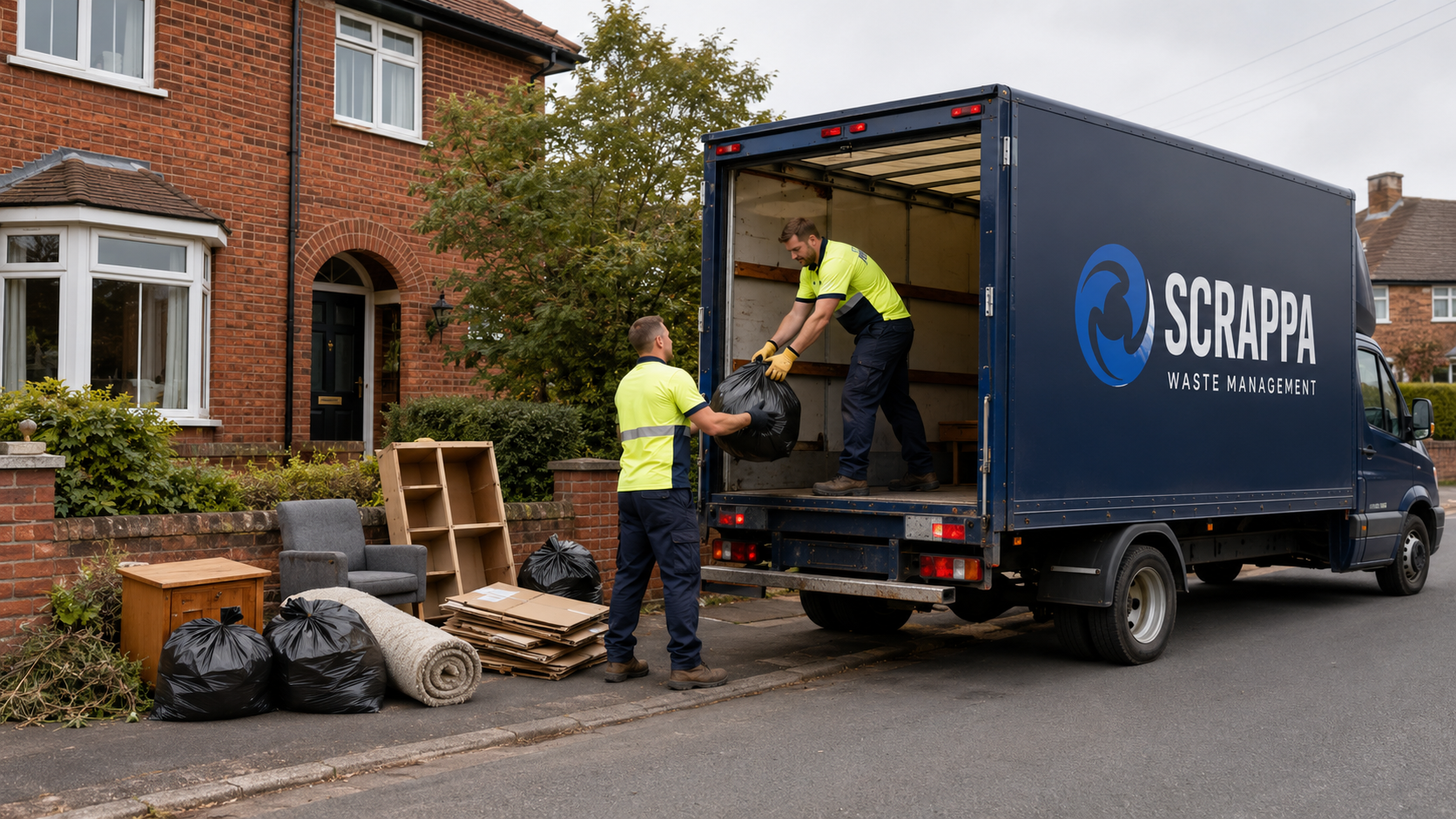
SCRAPPA • LEYLAND COLLECTIONS
From a single room to a larger property clearance, Scrappa helps remove the unwanted contents you have agreed can go. Start with an inventory, explain access and protect the belongings you are keeping before choosing an available collection.
Get your Leyland collection quoteA useful house clearance plan sets out what is going, what is staying and how the team can reach it. Tell us whether the job covers furniture only, bagged contents as well, or separate storage areas. A property’s bedroom count alone does not tell us how much needs collecting.
A room, garage or selected furniture can be assessed without assuming every space must be emptied. Clearly identify the boundaries of the job.
Build a room-by-room inventory and include storage areas, bagged contents and bulky furniture. Describe anything hidden from the main photographs.
Separate items going to the next property from items for disposal. Arrange the clearance around confirmed access and the handover schedule.
Confirm your authority, nominate a contact and agree which belongings can be removed. Personal decisions should be settled before collection.
Use these examples to build your inventory. Name each item, give quantities and explain any dismantling or access requirements.
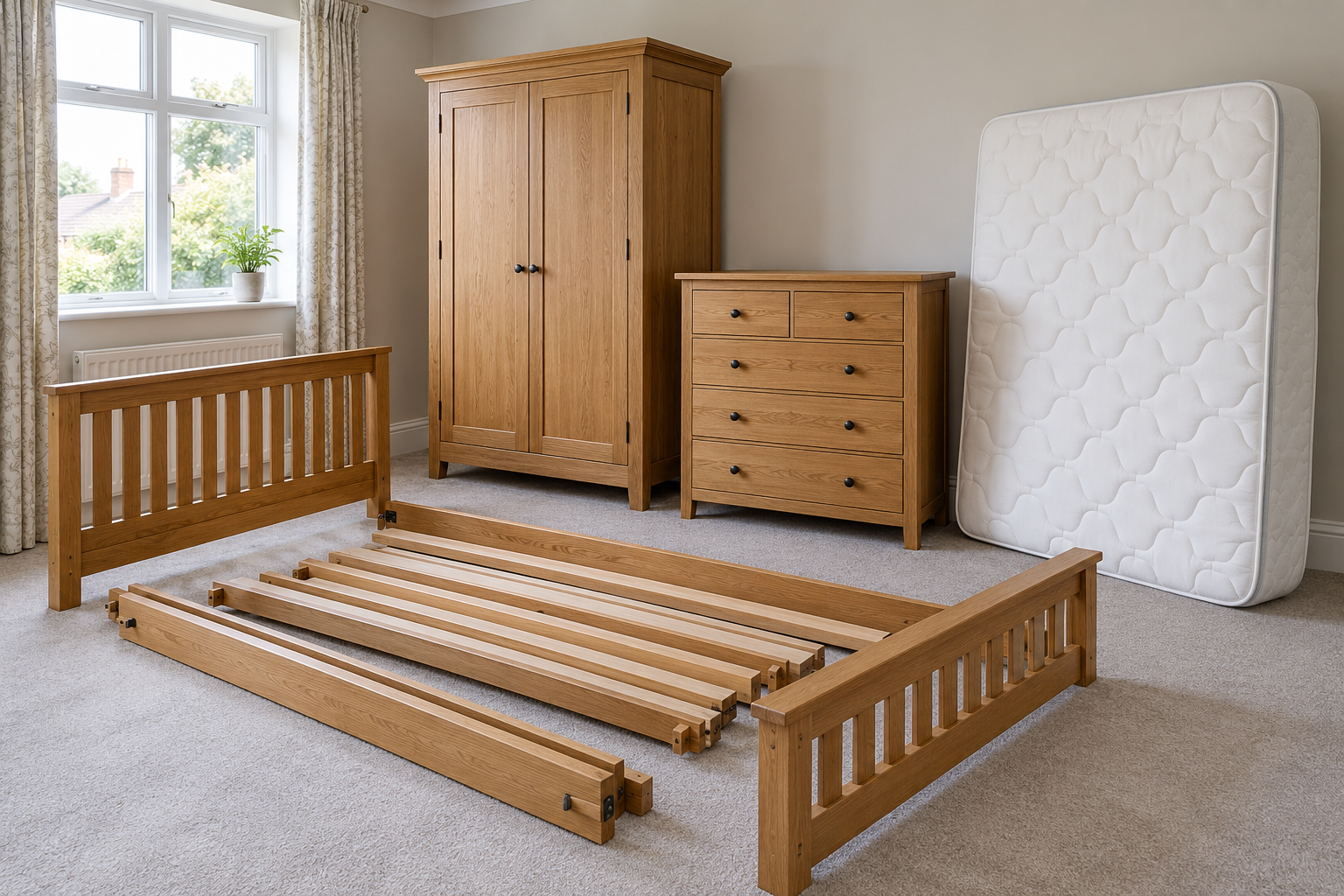
List the mattress, bed frame, wardrobe and drawers separately. Tell us whether the frame is dismantled and whether furniture is freestanding or fitted.
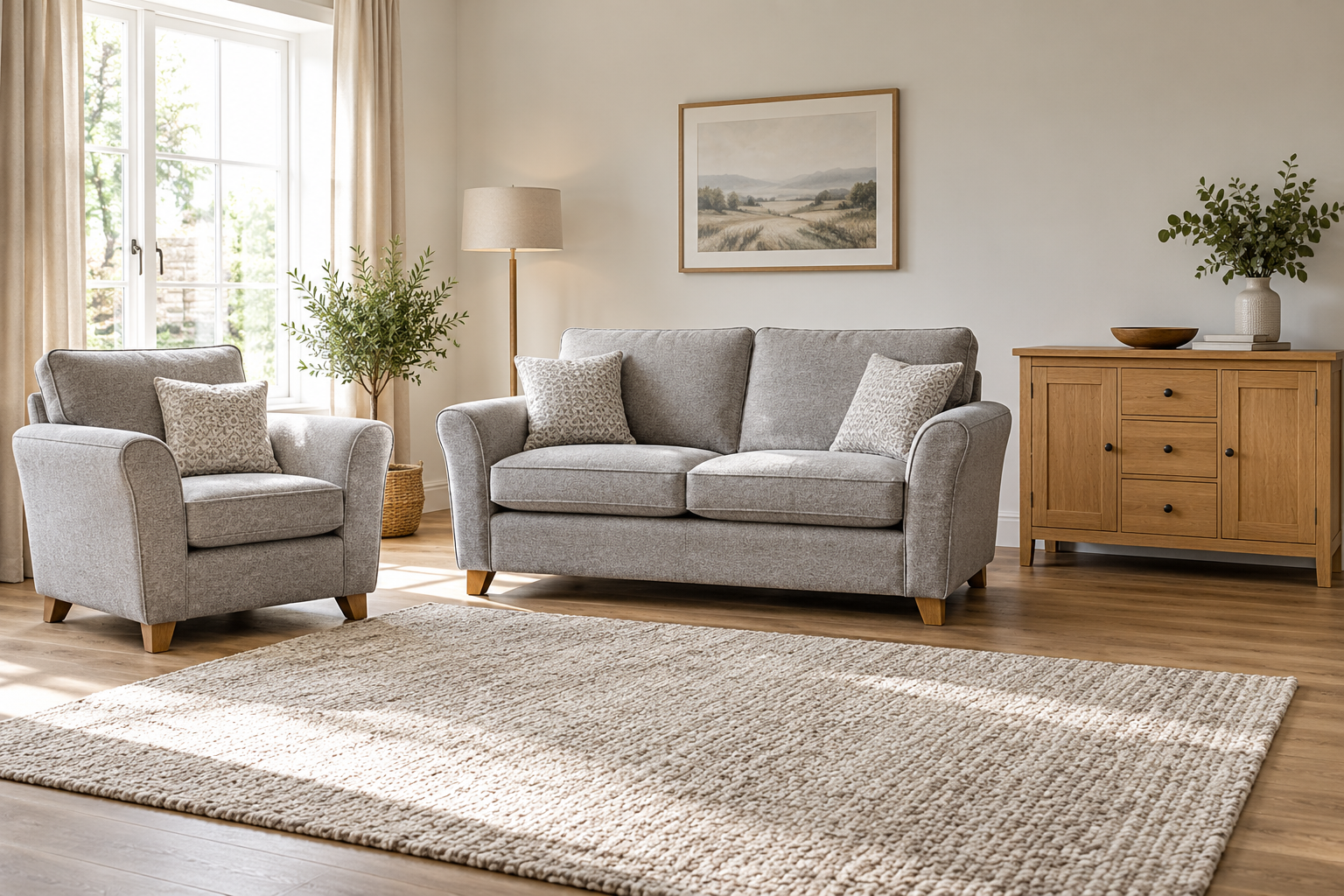
Count each piece of seating and storage furniture. Identify recliners, sofa beds and detachable sofa sections so handling can be assessed.
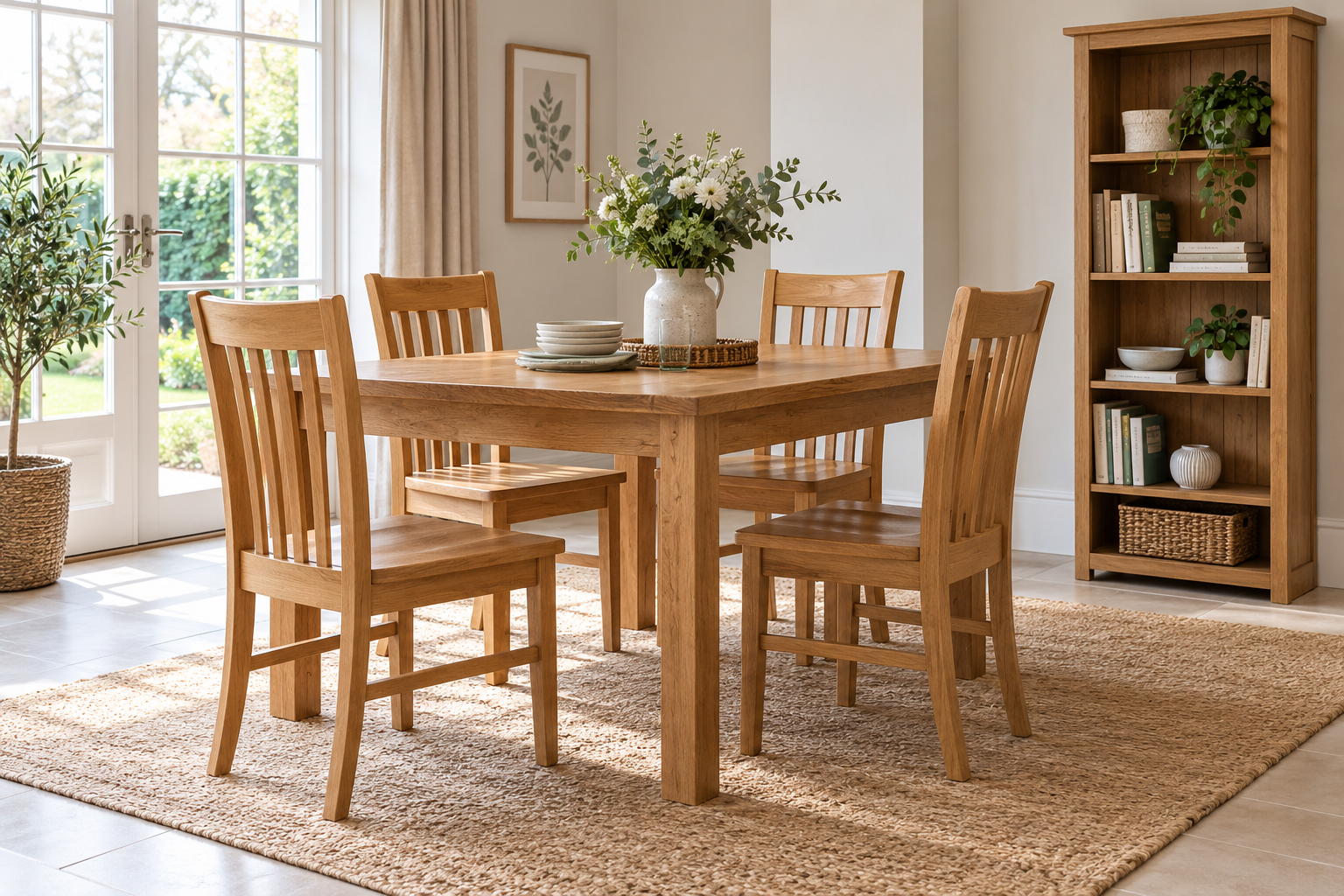
Give the table size and chair count, and tell us if legs detach. Empty bookcases and describe narrow doors or staircases along the removal route.

Estimate quantities and describe the contents. Remove valuables first and flag wet, heavy, unknown or specialist materials separately.
Begin at the entrance and work through each room, cupboard and outbuilding that forms part of the job. List the main furniture pieces, then estimate bags or boxes of smaller contents. Include items in lofts or cellars only if they are actually intended for removal, and explain their access. Photographs of each area are more useful than one image of the largest room.
Before the clearance, remove money, jewellery, family photographs, keys, documents and anything you may want to keep. Mark retained furniture clearly and keep it separate where possible. A drawer inside an unwanted cabinet may still contain personal papers. If more than one family member is involved, settle the keep-and-remove list before collection rather than asking the crew to decide.
The person arranging the work must have authority to dispose of the contents. This matters when acting for a relative, an estate or a landlord. Identify the person who can answer questions during the appointment and arrange how access will be provided. A house clearance booking does not itself resolve ownership disputes or give permission to remove belongings that remain contested.
Explain stairs, landings, narrow doors and any difficult turns. Include the distance between the property and a suitable loading position. For flats, check lift sizes and whether a building manager needs advance notice. Tell us about loose floorboards, damaged steps or other access concerns so the work can be assessed. Do not move heavy furniture downstairs yourself to prepare for the team.
Freestanding furniture and loose contents differ from fitted kitchens, attached units and fixtures. Describe anything that needs dismantling or detaching, and confirm whether it forms part of the agreed job. Gas, hardwired electrical and plumbing disconnections require appropriate arrangements. A clearance should not be assumed to include building work, professional cleaning, confidential shredding or secure computer-data destruction.
Mention wet mattresses, heavily soiled furnishings, broken glass, pest concerns or unknown substances before booking. Give the quantity and type of appliances, especially refrigeration equipment. Keep upholstered furniture intact rather than cutting it up simply to fit through a door. If chemicals, gas cylinders, sharps or suspected asbestos are present, flag them separately for assessment and do not include them as ordinary household contents.
Check that the booking reflects every room and outbuilding being cleared. If the inventory grows or the loading route changes, contact us before the appointment because additional work can affect the arrangement. Retain your booking confirmation and digital Waste Transfer Note after completion. Reuse or recycling depends on condition, material and suitable facilities; it is not guaranteed for every item.
Give the full Leyland address and practical arrival instructions. Near Worden Park, identify the actual property entrance rather than directing a crew to the park itself. For a house set back from the road, explain driveway access, gate width and the distance to the contents.
For town-centre flats or properties near Ecroyd Street, Sumner Street and Churchill Way, establish where loading can lawfully take place and whether a shared entrance needs a key or access code. Public parking arrangements do not automatically provide loading permission for a private clearance.
Arrange keys for each area included in the job, including a rear gate or garage. If a keyholder is travelling to meet the team, share the confirmed collection window with them and keep their contact available. Postcode availability and site access are checked for the specific booking.
A clear inventory and marked retained items let everyone work from the same list.
Check the full breakdown for the declared contents, access and chosen extras.
Describe the actual route so stairs and handling requirements can be assessed.
Scrappa’s carrier registration is CBDU613703. Keep your confirmation and digital Waste Transfer Note.
A collection can suit a property with an agreed set of unwanted contents where you want loading included in the planned work. It avoids keeping a container on site, but still requires lawful loading access and an accurate inventory.
A skip may suit an ongoing renovation that generates waste over several days, subject to its material and weight limits, available space and any placement permissions. For reusable possessions, consider selling or donating them separately before collection if that suits your plans. Do not assume a clearance guarantees charity acceptance or a resale credit.
Yes. Specify the room, list the items and mark everything staying. A partial clearance is assessed from the actual contents and access rather than assuming the whole property needs emptying.
Agree access and a reachable contact beforehand. If someone else will meet the crew, make sure they have the keys, authority and final inventory. Do not assume an unattended collection is arranged automatically.
You can arrange removal of agreed unwanted contents when you have authority to do so. Allow time to sort personal belongings and tell us who will make decisions if questions arise.
Do not assume the collection price includes a purchase or valuation of belongings. If valuable or saleable items are involved, decide how you want to handle them before adding them to the removal inventory.
The agreed booking defines the work. Describe dismantling in advance and confirm its scope. Deep cleaning, fitted-unit removal and specialist disconnections should not be assumed to form part of a standard clearance.
The contents, load size, weight, floors, carrying distance and any extra work affect the price. Provide a room list and photographs, then review the full collection breakdown before booking.
Write down the rooms and items involved, take clear photographs and note any access issues. Then begin with your postcode to check collection options and review the price.
Get your Leyland collection quoteOther areas: House clearance Preston · House clearance Chorley