Hedge cuttings
Describe the whole heap and the length of any awkward pieces.

Finished pruning the hedge but still looking at the pile? Scrappa helps you arrange collection of garden waste in Leyland, from bagged leaves and grass to branches and mixed green cuttings. Tell us what needs removing and how to reach it, then review the collection details and full price before you book.
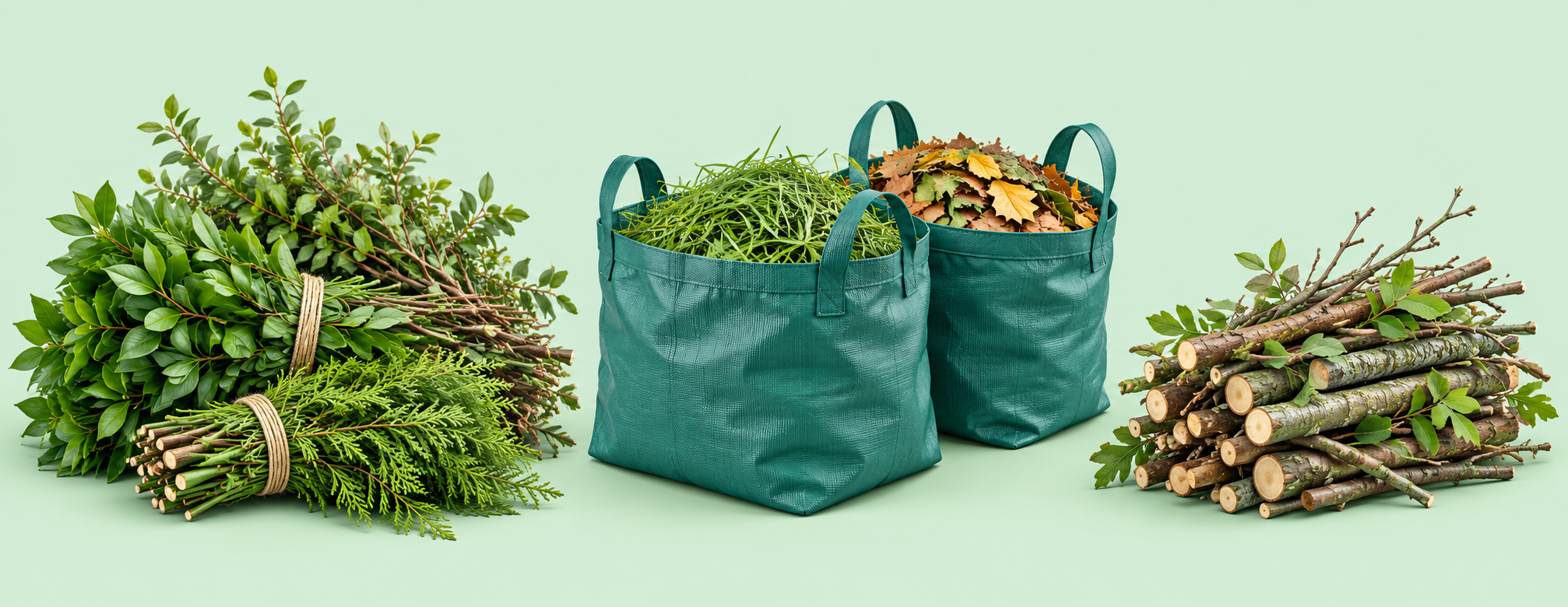
Describe the whole heap and the length of any awkward pieces.
Give the bag count and say if the contents are wet or tightly packed.
Include the thickness and length of larger woody pieces.
Choose the appropriate material rather than treating every garden load as green waste.
Tell us where the waste is so the route and handling can be considered.
Review the complete breakdown and your booking details before confirming.
Retain your digital waste transfer note following the completed collection.
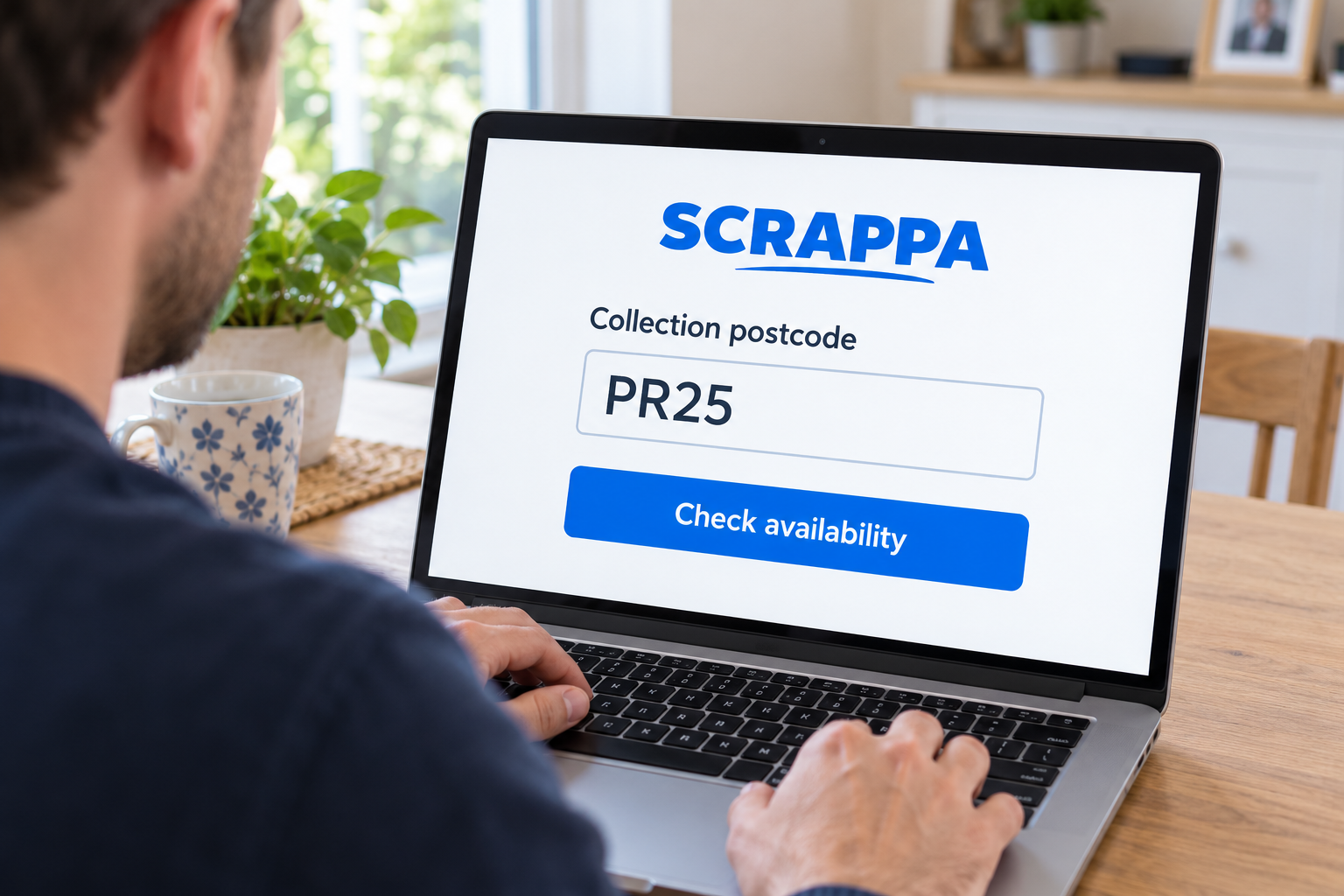
Use your full Leyland postcode and confirm the collection entrance.
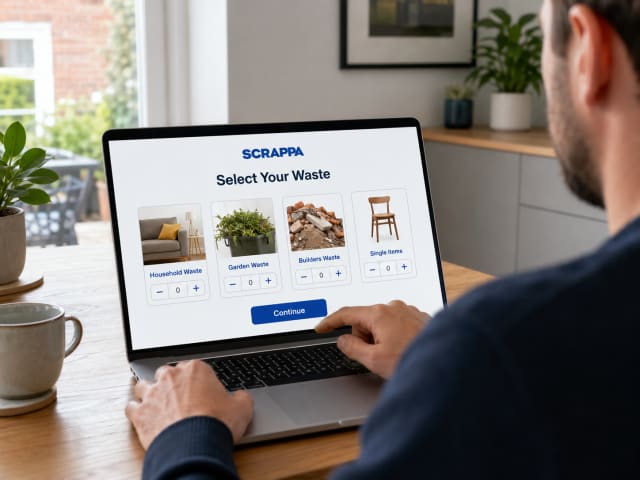
Describe the material and quantity, including any heavy extras.

Include gates, steps, carry distance and any extra work.
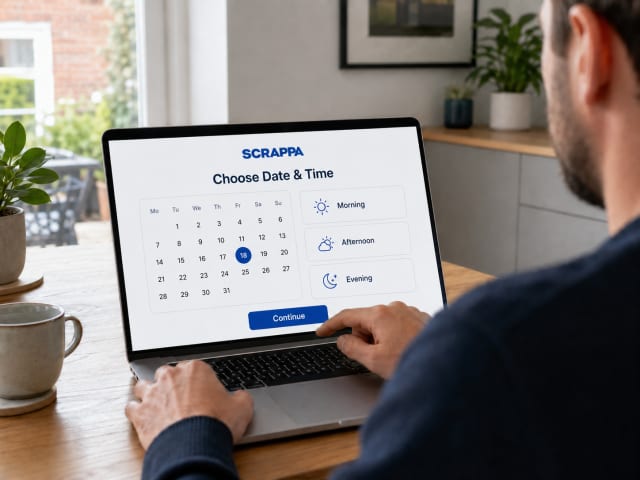
Pick an available date and time for the collection.
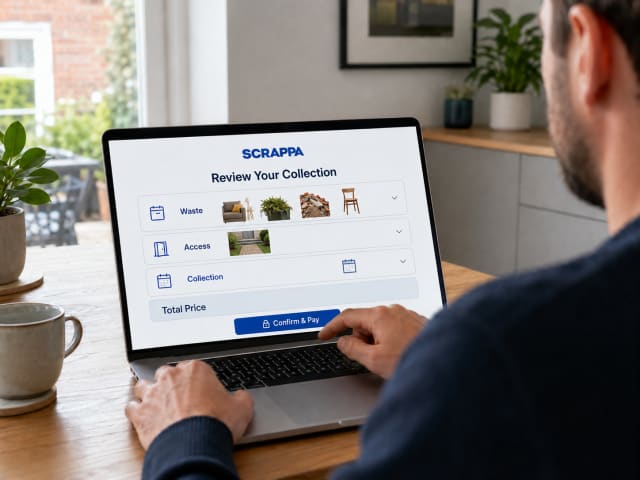
Check the full price breakdown before paying securely.
Start with what is actually waiting to go: grass, leaves, hedge trimmings, pruned branches or a mixture. Include everything underneath the visible layer. Old pots, wire, fencing and bags of soil need their own description rather than being hidden in a green-waste load. Photos from more than one angle can help explain the quantity. If you are still gardening, allow for the final pile rather than booking only what is there now. Keep newly added waste separate if your collection is already confirmed.
Grass and leaves are often easier to handle in manageable bags. Tell us how many you have, their approximate size and whether the contents are wet. Rain-soaked material can weigh much more than dry cuttings. Do not overfill sacks or put sharp woody pieces into fragile bags. Keep the bags together on your own property and leave entrances, pavements and shared passages clear. If bags are damaged, mention this so the handling can be planned before arrival.
A sprawling pile of branches occupies more room than the same pieces stacked together. Tell us the approximate length and thickness of the largest pieces as well as the overall pile size. Stack already-cut branches neatly only where you can do so safely. You do not need to climb trees or carry out risky cutting to prepare. Standing trees, attached roots, tree surgery and stump removal should not be assumed part of a collection of waste that is ready to load.
Dense landscaping waste needs different consideration from light green cuttings. Soil, turf, paving slabs, concrete and stones must be described separately, even when the amount appears small. State bag sizes and whether they are full; do not assume that a filled bulk bag can simply be lifted or collected under a green-waste allowance. If materials are mixed together, say so before choosing a category. The collection method and load allowance need to match the actual weight, material and access.
Give the distance from the waste to the nearest lawful loading point. Include narrow gates, stairs, slopes and shared alleys, and explain if the route passes through the house. Soft lawns or muddy ground can affect safe handling. Keep children and pets away from the loading area and make sure doors along the agreed route can be opened. A street postcode does not reveal rear access or how far the crew must carry the load, so clear instructions matter.
Use the full address and postcode for your property, whether you are around Worden Park, Farington or another part of Leyland. Our postcode illustration uses PR25 as an example; enter your own full postcode, including PR26 where applicable. Give the correct garden entrance and any parking restrictions. A nearby landmark helps with orientation but does not replace the address. Availability depends on the load, access and collection route, so choose from the slots offered rather than assuming an immediate visit.
Check that the material, quantity, access and any extra work are reflected in your booking before confirming payment. Contact Scrappa if the pile changes or you discover unexpected items. Chemicals, paint, unidentified substances and sharp objects should not be concealed inside garden bags. Loading is for the agreed waste and access; additional work needs review. Keep the agreed pile identifiable, arrange access for the booked slot and retain the digital waste transfer note after completion.
Clear a completed tidy-up without organising your own transport. Agree access and the full pile before the visit.
Provide the property address, keyholder details and a clear description of what is left outdoors.
Identify commercial loads and separate dense landscaping materials from light cuttings.
For a small amount of suitable plant material, home composting or an available garden-waste service may be worth considering. A one-off loaded collection can help with a pile that is ready to leave. A skip may be useful when a project produces waste over several days and there is suitable space. Compare the accepted materials, loading arrangements, capacity and any permissions before choosing. Do not assume every option accepts soil, turf or mixed garden items.
Describe the loose pile and the largest pieces, including approximate length and thickness. This helps establish the right load and handling.
Declare them separately. Their weight can change the collection category, load allowance and price.
Explain where it is and the complete route, including steps and carry distance. Collection must be agreed for that access.
These tasks are not assumed in garden waste collection. Explain attached items or dismantling before booking so the work can be reviewed.
Check the offered dates for your address and waste. Same-day collection depends on capacity and must be confirmed.
Collection can suit an existing pile you want loaded and removed. A skip may suit an ongoing project, depending on space, material limits and any required permissions.
Start with your collection address, describe the full pile and include the access details. You can review availability and the complete price before confirming.
Start your garden waste quote