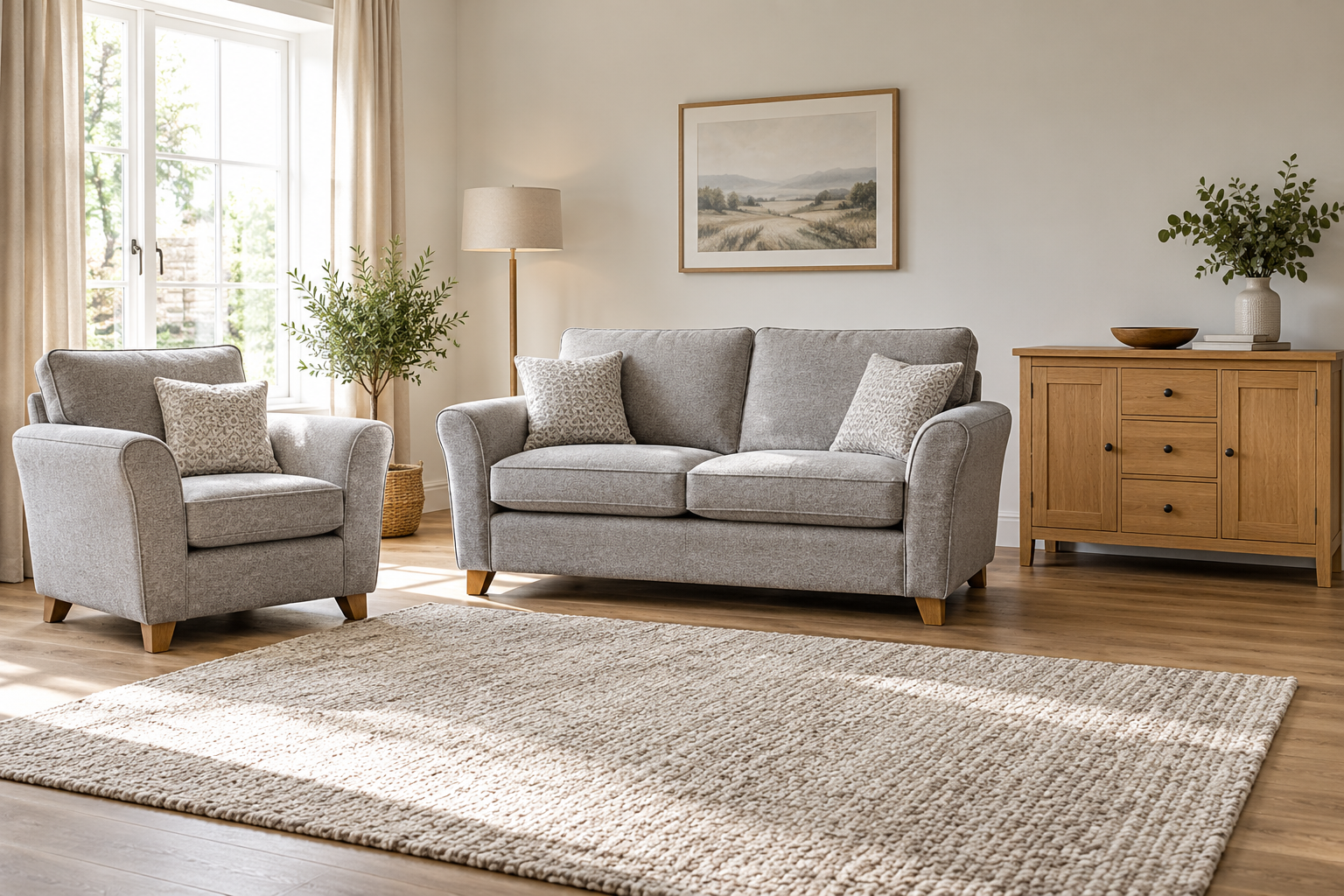
Sofas, armchairs and sideboards
Count each piece, including separate corner-sofa modules. Describe recliners, sofa beds and any fixed or powered mechanism so the handling requirements are clear.
SCRAPPA • LEYLAND COLLECTIONS
Replacing large furniture or clearing awkward household items? List each piece, tell us how it leaves the property and choose an available collection after reviewing the full price.
Get a Leyland bulky-item quoteCount each piece, including separate corner-sofa modules. Describe recliners, sofa beds and any fixed or powered mechanism so the handling requirements are clear.
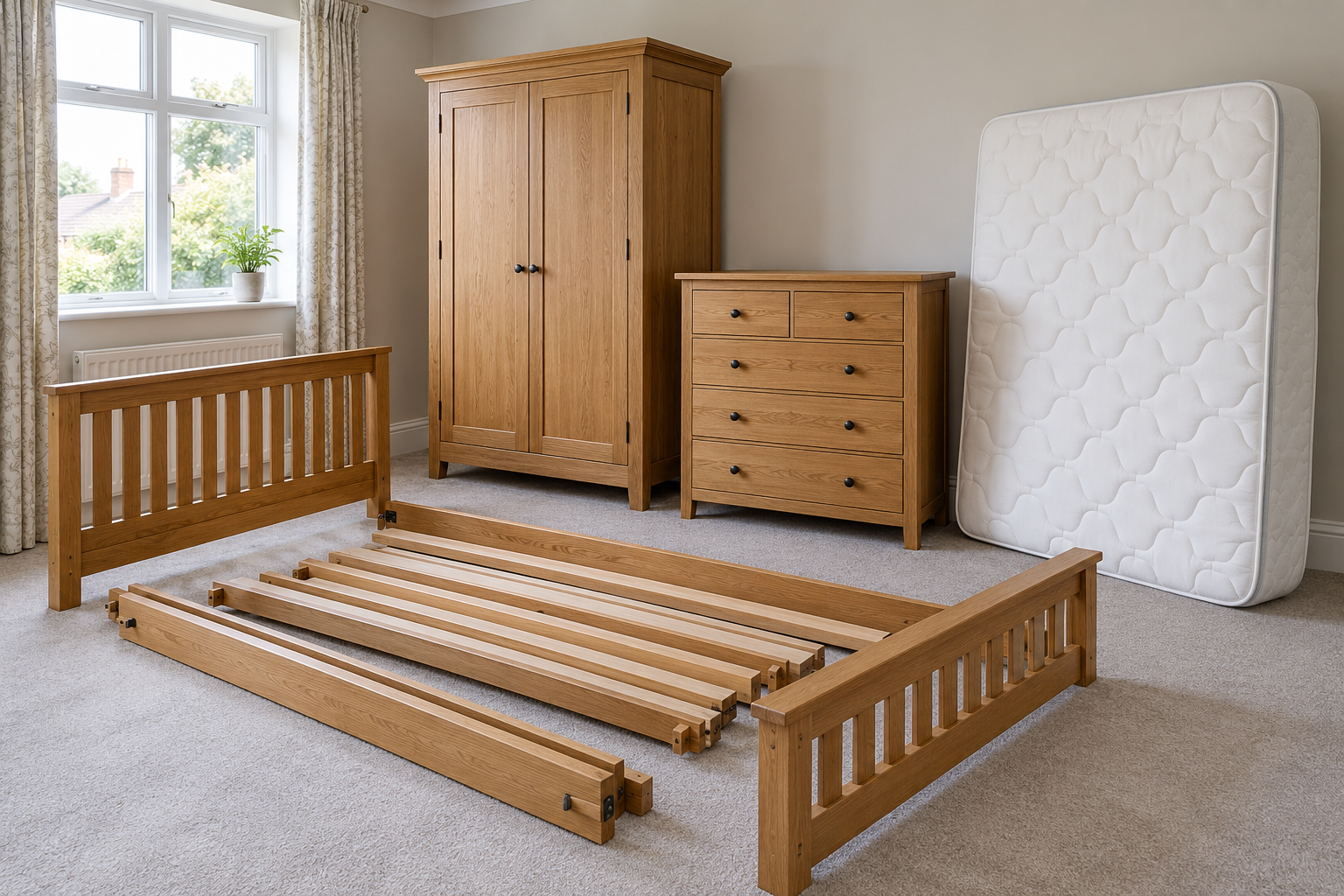
Include bed frames and mattresses separately. Give wardrobe size and say whether it is freestanding, already dismantled or needs work to pass through the exit.
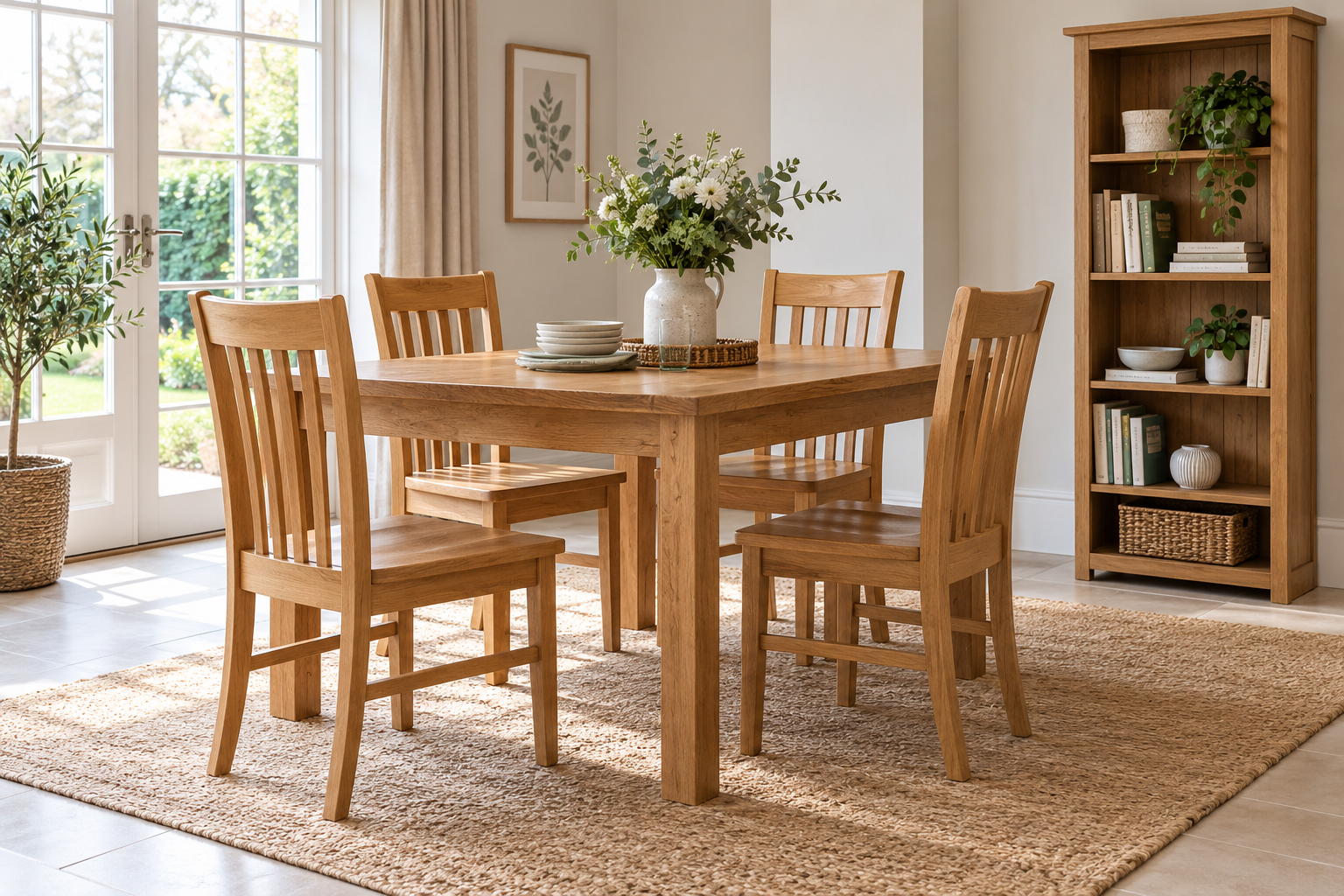
Provide table dimensions, the number of chairs and approximate bookcase height. Tell us about glass panels, removable shelves and whether table legs detach.
Book the large pieces you actually want removed, rather than an unspecified collection of extras.
Measurements, stairs and carry distances help establish the work before collection.
Check the breakdown for the declared items, access and selected extras before paying.
Retain your booking confirmation and digital Waste Transfer Note after completion.
Start with the Leyland postcode, full address and a contact who can help with access. Identify the correct entrance if the property has more than one.
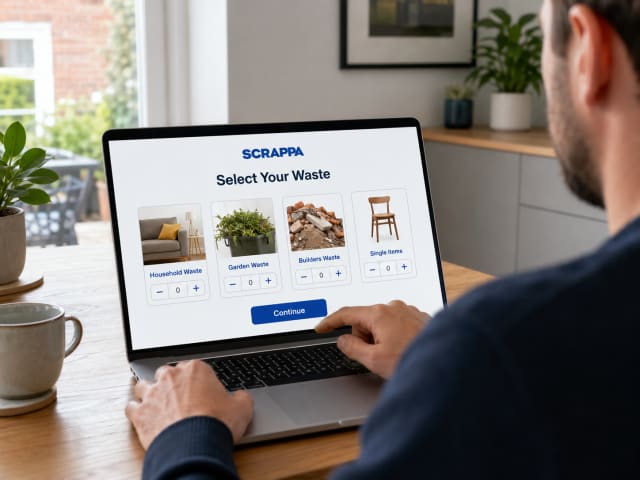
Name sofas, chairs, beds and other pieces individually. Include separate bed parts and detachable sofa sections, with dimensions or photographs where useful.

Add stairs, narrow passages, gates, lifts and carrying distance. Explain dismantling requirements before booking rather than relying on removal work being included automatically.
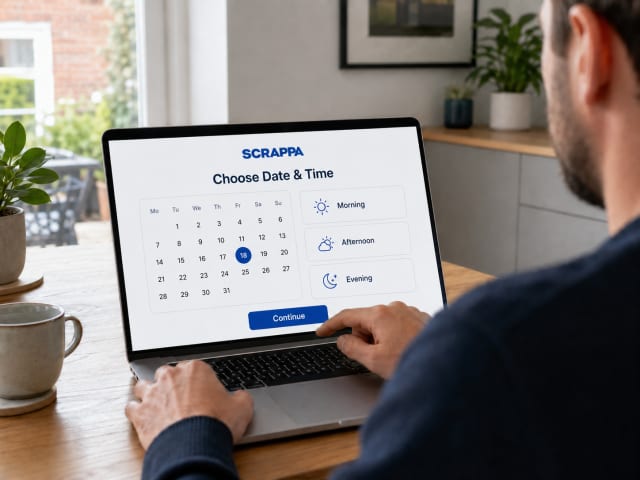
Choose a date and time that leaves room before a new delivery or property handover. Urgent availability depends on capacity and must be confirmed.
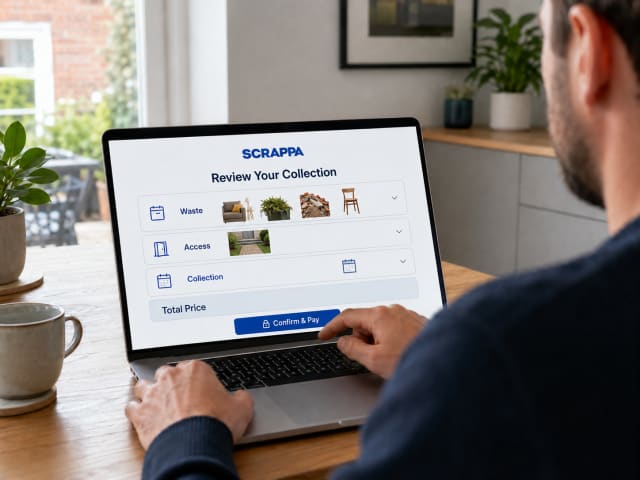
Review the complete list and full cost before payment. Tell us about additions or access changes beforehand, and keep the digital Waste Transfer Note after collection.
Use your exact collection address rather than directing the crew to a landmark. Near Worden Park, state which private entrance serves the items. For town-centre properties around Ecroyd Street, Sumner Street or Churchill Way, explain shared doors, stairs and the actual loading position.
Public parking availability does not automatically provide loading permission for your property. Check the site arrangements and nominate a person who can open gates or speak to a building manager. Collection options depend on the full postcode and the details of the job.
Record the widest parts of the furniture, then check doorways, gates and any tight turns. The straight-line distance to the van does not reveal a narrow landing or a turn in the stairs. Send photographs of the route if it is difficult to describe. Do not assume a large object can safely be lifted through a window or over a boundary wall.
A corner sofa may consist of several modules, and a bed normally involves a frame or base as well as a mattress. State what is actually going rather than naming only the assembled item. Add stools, footrests and dining chairs separately. If one matching piece is staying, mark it clearly so the collection list does not become ambiguous on arrival.
Recliners, sofa beds, electric beds and heavy cabinets can need different handling from a simple chair. Mention motors, metal mechanisms, glass panels and stone tops. Do not disconnect unfamiliar electrical equipment or remove heavy components just to make the item appear easier to collect. Give us the information so we can assess suitable handling and any necessary preparation.
If legs, doors or frames need removing to create an exit route, explain this at booking and confirm the scope of the work. Freestanding furniture differs from fitted units attached to a wall. Have any specialist disconnection arranged appropriately. A bulky-item booking does not automatically include carpentry, plumbing, electrical work or removal of fixtures from the building.
Check drawers, cupboards and under-seat storage for keys, documents and retained possessions. Empty cabinets so loose contents are not assumed to form part of the booking. Keep the route clear and move small valuables away from the work area. Do not move heavy furniture downstairs yourself; describe its current position and let the collection be planned around it.
Describe the furniture type and condition, including wet or heavily soiled upholstery. Do not cut sofas or armchairs apart or mix their padding with ordinary rubbish to fit them into a smaller load. Upholstered seating requires appropriate handling. If an item has a particular contamination concern, tell us before booking so acceptance and arrangements can be assessed.
Arrange gate keys, building access and any goods-lift reservation. Explain where lawful loading can take place and how far the items are from it. If a new item is added or the route changes, contact us before the appointment. Keep the confirmation and digital Waste Transfer Note. Scrappa’s waste carrier registration is CBDU613703; reuse or recycling is not guaranteed for every piece.
Arrange removal of the agreed old pieces and keep the delivery route clear.
Separate the furniture being retained from the items booked for collection.
Confirm authority and prepare a precise item list for the property.
Describe commercial furniture, quantities and building-access requirements separately.
A collection can be practical for a defined list of large items when you want the agreed loading work included and do not need a container left outside. A skip may suit a project generating waste over several days, provided its dimensions, weight limits and accepted materials suit the items.
For a few household pieces, compare the council’s current bulky-item service as well. Scrappa is a separate commercial provider. Assess access, timing, labour and total cost rather than assuming one option is always cheaper.
Yes, identify the item and provide the access details, then check available collection options. A single heavy or awkward piece still needs an accurate description.
Describe its shape, number of modules and any recliner or sofa-bed mechanism. Tell us whether it separates and give the route out, especially for upstairs rooms.
List the mattress and frame or base separately so the booking reflects everything being removed. Include headboards, drawers or other loose parts when relevant.
Explain where they are now. Indoor collection and stairs can be assessed as part of the agreed work; do not put bulky objects on a pavement or carry them outside unsafely.
Tell us its size, whether it is fitted and what dismantling is needed. Confirm the work before booking; dismantling should not be assumed for every collection.
Choose an available slot and leave a sensible margin before the delivery. A request alone does not reserve capacity or guarantee the old items will leave at a particular time.
Take photographs, note the dimensions and count each piece. Add the property access details and review a complete collection quote before confirming.
Get a Leyland bulky-item quoteOther areas: Bulky Waste Collection Preston · Bulky Waste Collection Chorley