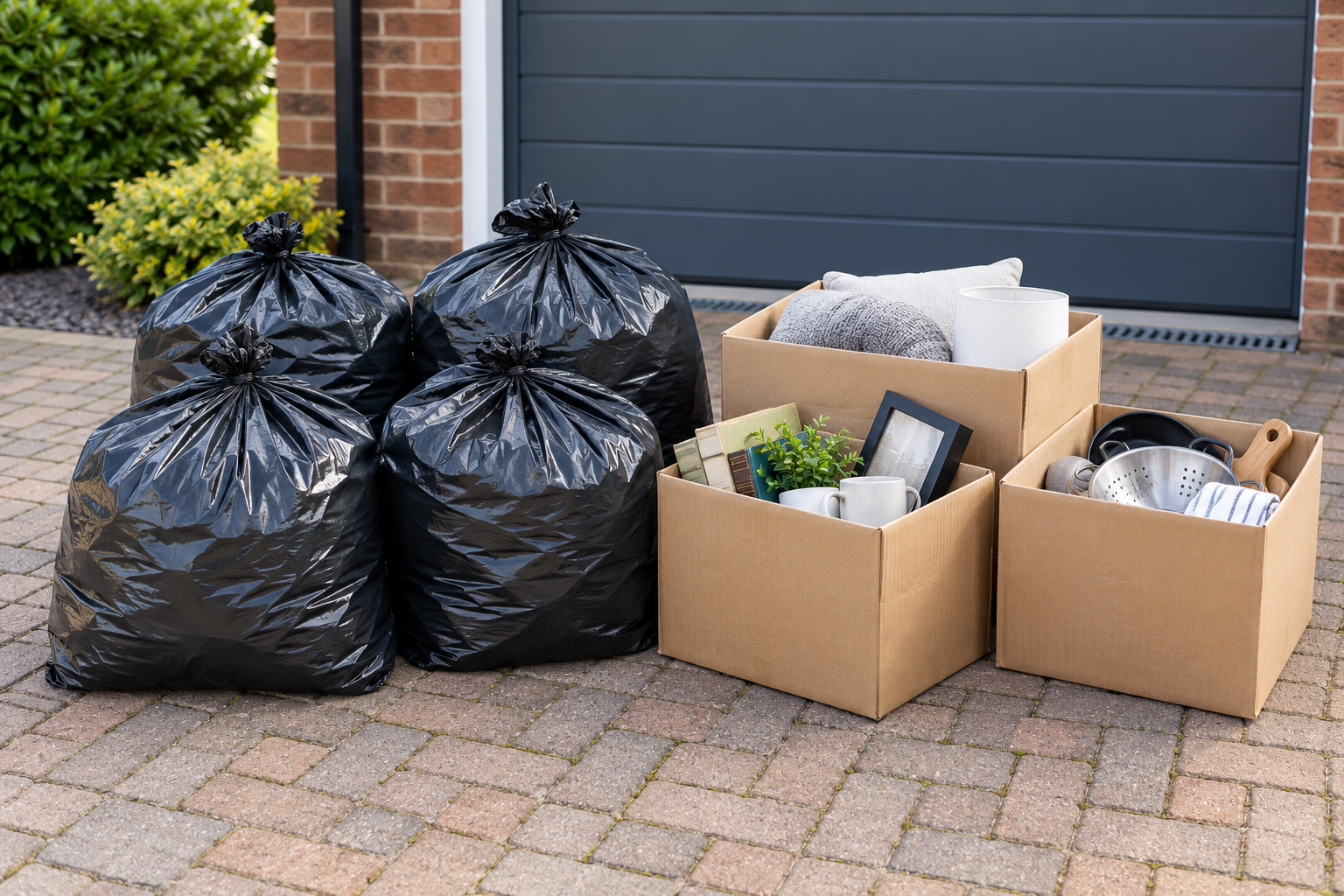
Household bags and contents
Count bags and boxes and explain what is inside them.
SCRAPPA™ · WASTE MANAGEMENT · BOLTON
A useful waste collection starts with the right details, not an optimistic pile estimate. Scrappa™ helps Bolton households and businesses arrange removal of agreed waste, with materials, quantity, access and collection choices brought together before you review the price.
Start your collection quoteCount bags and boxes and explain what is inside them.
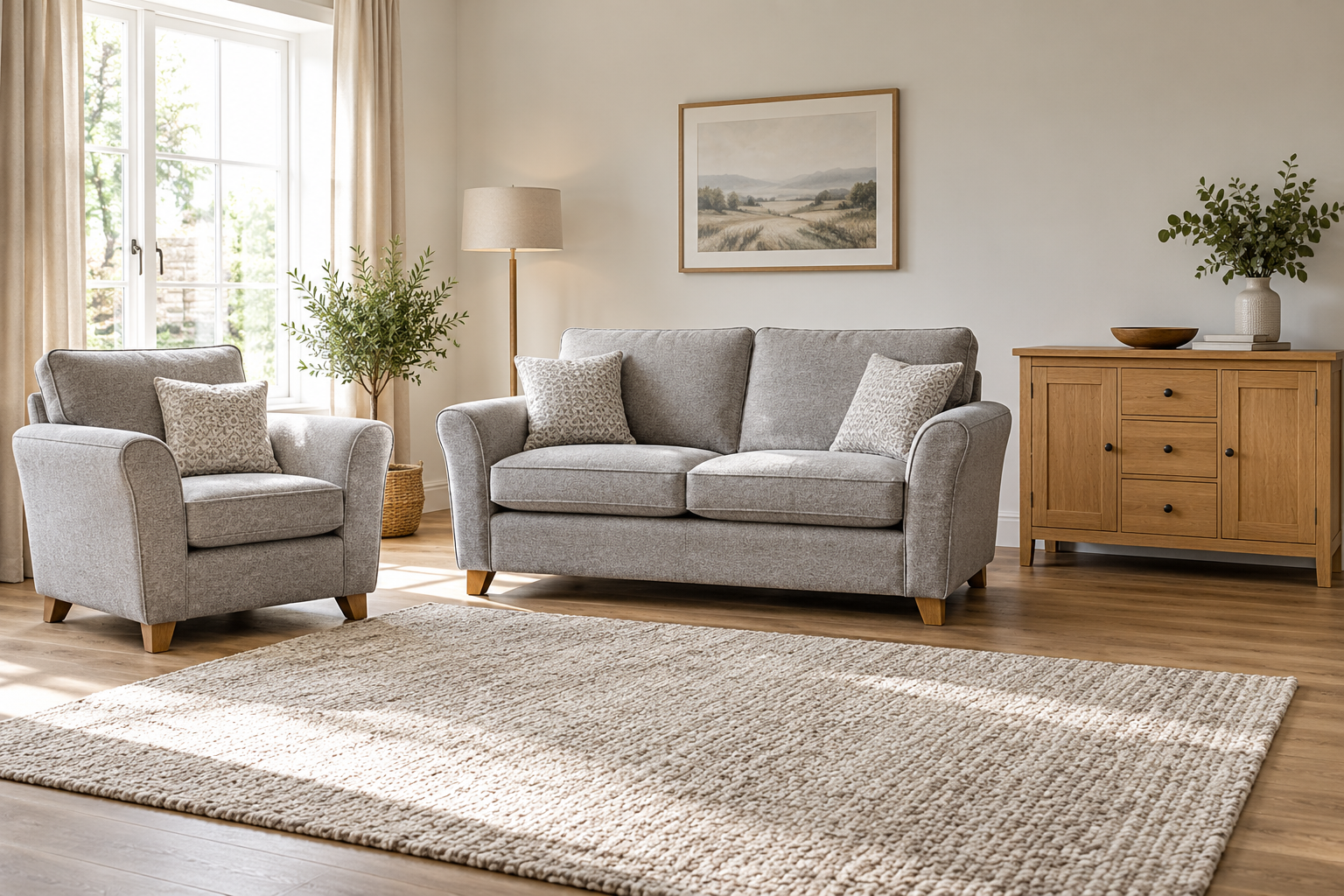
Name every piece, its size and any dismantling requested.

Separate green cuttings from soil, turf and heavy landscaping waste.
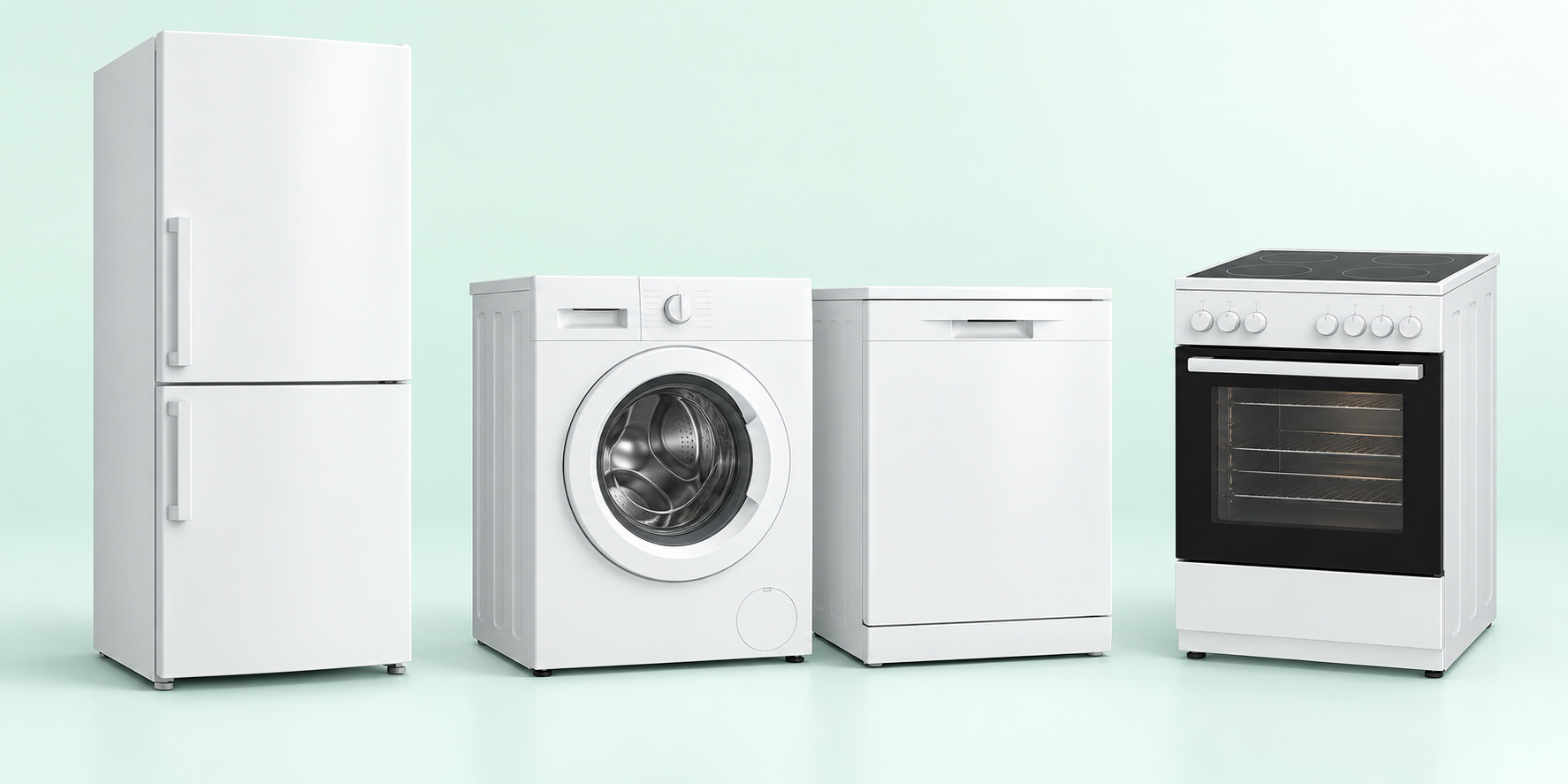
Identify the unit and arrange any necessary safe preparation.
Ordinary household contents, bulky furniture, garden cuttings and dense building materials are different loads. Describe each group rather than using mixed waste as a catch-all. The category should follow the actual material, not whichever option looks cheapest. Ask for advice if you cannot confidently identify part of the load.
Use item counts, bag counts and approximate pile dimensions together. Check the rear and sides of a pile before photographing it, and include waste in separate areas. Explain whether boxes are full or empty and whether bulky furniture is assembled. This gives a clearer picture than a single photograph of the front row.
Rubble, soil, turf, tiles, books and wet materials can be dense even when the pile looks small. Give their type and approximate amount and keep them distinct from light household clutter. A collection can reach a weight limit before the space is full. Do not hide dense materials inside an apparently ordinary bagged load.
Identify appliances, upholstered seating and any unusual materials individually. Chemicals, unknown liquids, cylinders, suspected asbestos and other potentially hazardous waste need specific advice; do not put them in ordinary bags. Acceptance depends on the material and available appropriate route, so ask before confirming anything uncertain.
Give the floor, stairs, lift, gates and carrying distance from the waste to a safe loading position. Include narrow passages and rear access at terraced properties. For managed premises, arrange the necessary permissions and any loading appointment. The full postcode helps locate the property, but the practical route is equally important.
Request dismantling or extra loading work explicitly. Do not assume a waste collection includes demolition, excavation, electrical or gas disconnection, cleaning or repairs. Choose from the available dates and check that the waste will be ready and accessible. A same-day request is subject to confirmation rather than an unconditional promise.
Review the final scope before the visit. If more waste has been produced, items have moved or access has changed, tell Scrappa in advance so the collection can be reassessed. Keep the invoice and Waste Transfer Note after completion. Clear records are useful for households and businesses arranging removal of agreed waste.
Begin with the collection address. The price comes after you have entered the waste, access requirements and collection choices.
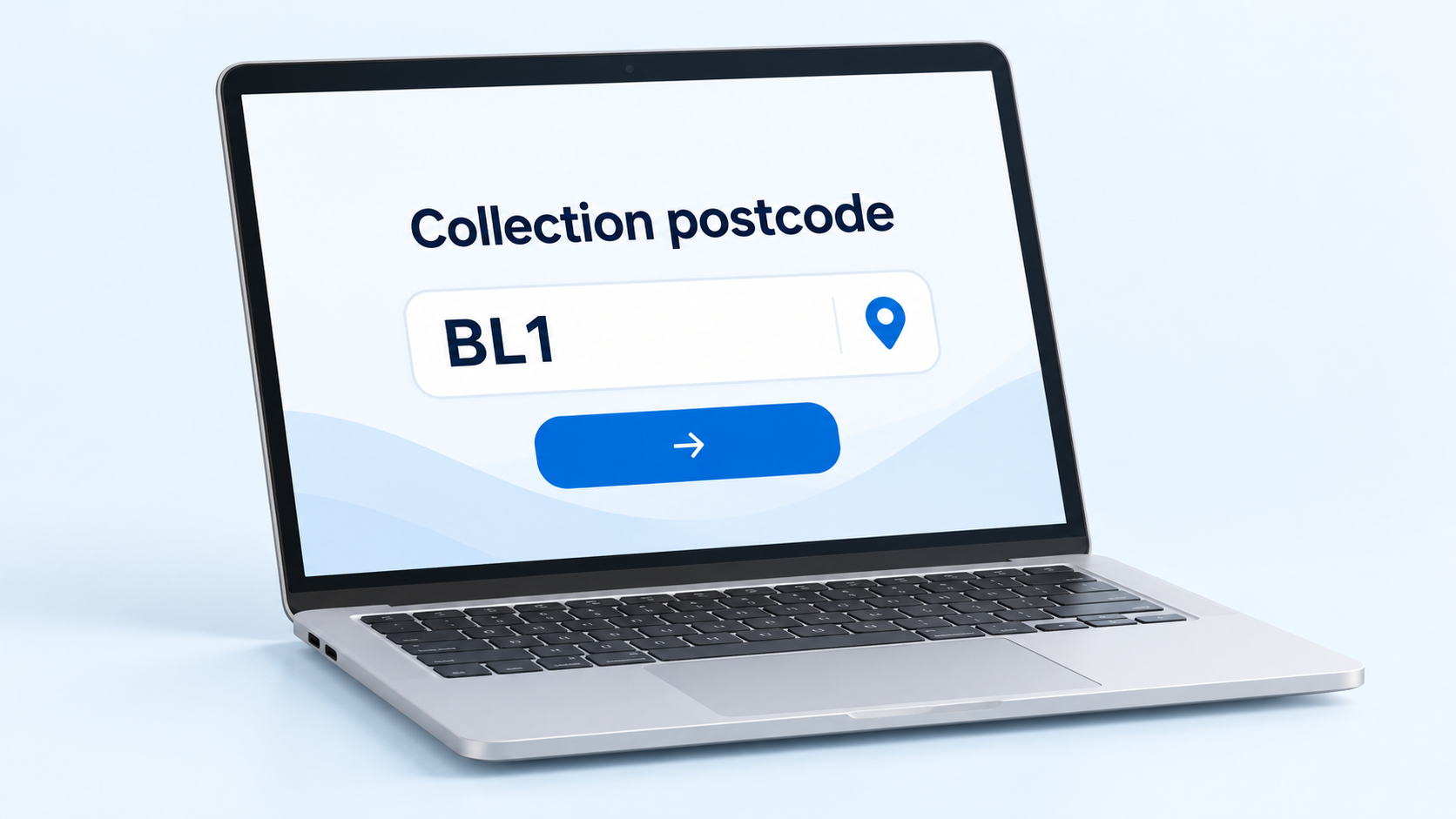
Use the full postcode and property details. BL1 is the Bolton example shown; enter your own postcode.
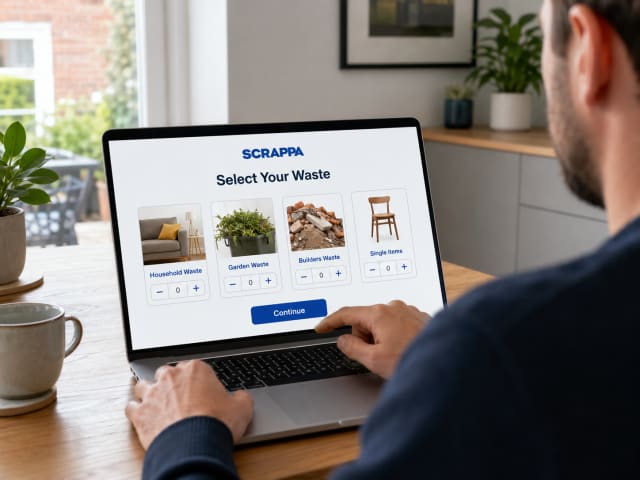
List the complete load, its quantities and any extras that affect handling.

Tell us about floors, stairs, loading distance and requested dismantling.
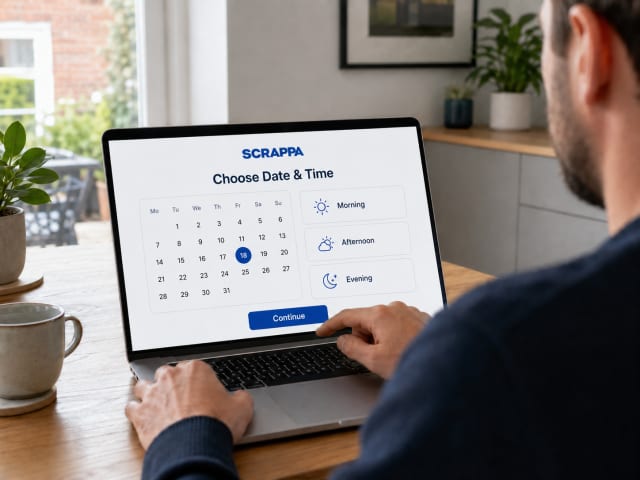
Select from the slots offered for your address and collection requirements.
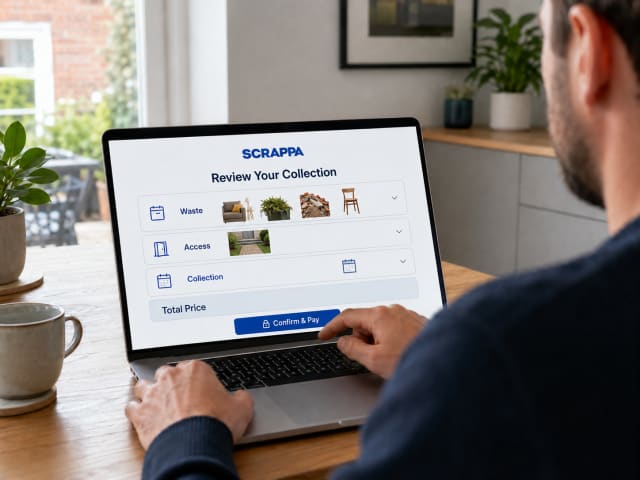
Check the price breakdown and booking details, then confirm and pay securely.
A location name is only the start of planning a collection. Around Bolton town centre and the Queen’s Park area, explain which entrance serves your property and where loading may be possible. For homes near Chorley New Road and Queen’s Park, explain which entrance leads to the contents and whether loading access is on a different street.
For a flat, include the floor, lift size, caretaker arrangements and any booked loading window. For a house, describe side gates, rear yards, steps and separate storage areas. Never reserve a public loading position by obstructing the highway. Availability and the collection plan are checked using your actual address and declared load.
Homeowners, tenants, landlords and business contacts can use the service for an agreed collection. If you are arranging access for someone else, make sure you have authority to remove the items and a reliable contact for the day.
The quote reflects the material, quantity, handling, access, requested extras and collection choices. A light household pile, a dense renovation load and several appliances should not be compared only by their apparent size. Enter the full details and review the breakdown before confirming.
For example, describe household bags, a wardrobe and a separate rubble pile as distinct parts of the job. Add the wardrobe location, requested dismantling and the route to loading. This lets the booking be assessed against the actual collection rather than a generic label.
The agreed price relates to the declared scope. Additional waste, different materials or extra work should be discussed before collection. An accurate request helps avoid uncertainty and gives Scrappa the information needed to plan the appropriate handling.
Describe the materials and items, including specialist or heavy components, so acceptance and the appropriate collection can be checked.
List both clearly in the request, with quantities and relevant access details.
Use item and bag counts, approximate dimensions and clear photographs. Ask if you are unsure which option fits.
Declare rubble and other dense materials separately. They need a different weight assessment from light household contents.
Explain the location, stairs, doors and carrying route so the required work can be agreed.
No. Check the available slots and obtain confirmation before relying on collection that day.
Keep them separate and ask for advice. Do not include unidentified substances in an ordinary bagged collection.
A Waste Transfer Note is provided after completion. Keep it with the collection invoice and booking record.
Describe everything that needs to go, including awkward items and additional work.
Give the floor, stairs, gate access and carrying distance before collection.
See the booking details and price breakdown before confirming payment.
A Waste Transfer Note is provided after completion for your collection record.
A loaded collection can suit a one-off clearance when you want an agreed load carried away in a visit. A skip may suit work producing waste over several days, provided you can load it and arrange suitable placement. Compare the actual material, access, labour and timing rather than assuming one option is always cheaper.
For eligible household items, Bolton Council also has a bulky collection service with its own conditions. Check those directly when comparing options. Scrappa collections are booked against the items and access you declare; specialist or restricted materials need agreement before booking. Do not mix unknown chemicals or suspected asbestos into an ordinary load.
Start with your collection address, describe the whole job and check the available options. If anything is unusual, contact Scrappa before confirming so the collection can be arranged around it.
Start your collection quoteScrappa™ — Smart Waste Made Simple.