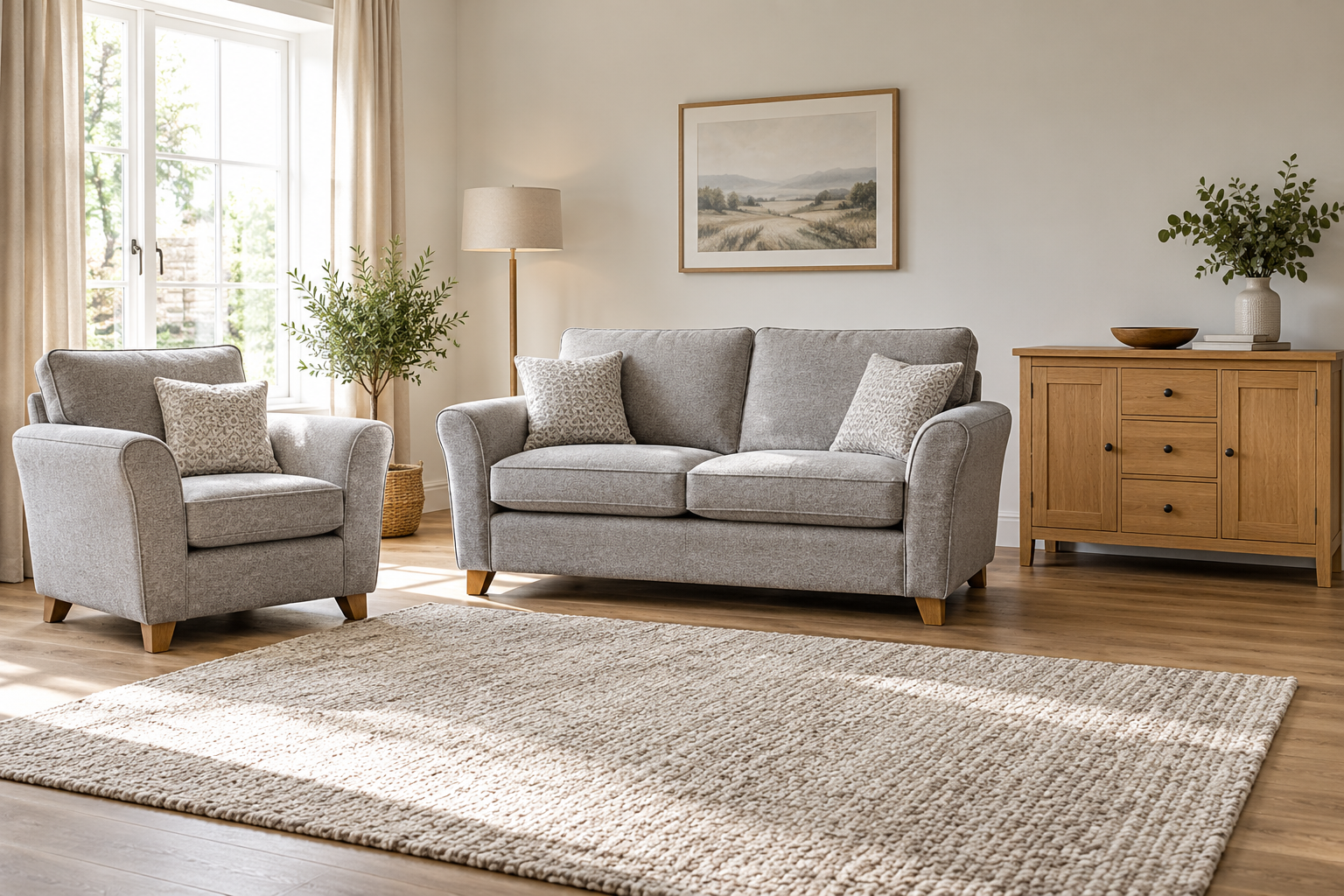
Seating and large cabinets
Give the seating type, number of pieces and approximate dimensions.
SCRAPPA™ · WASTE MANAGEMENT · BOLTON
When an unwanted item is too large for the bin, its shape and route out of the property matter as much as its size. Scrappa™ arranges bulky waste collection in Bolton around named items, clear access details and the handling needed for the agreed load.
Start your collection quoteGive the seating type, number of pieces and approximate dimensions.
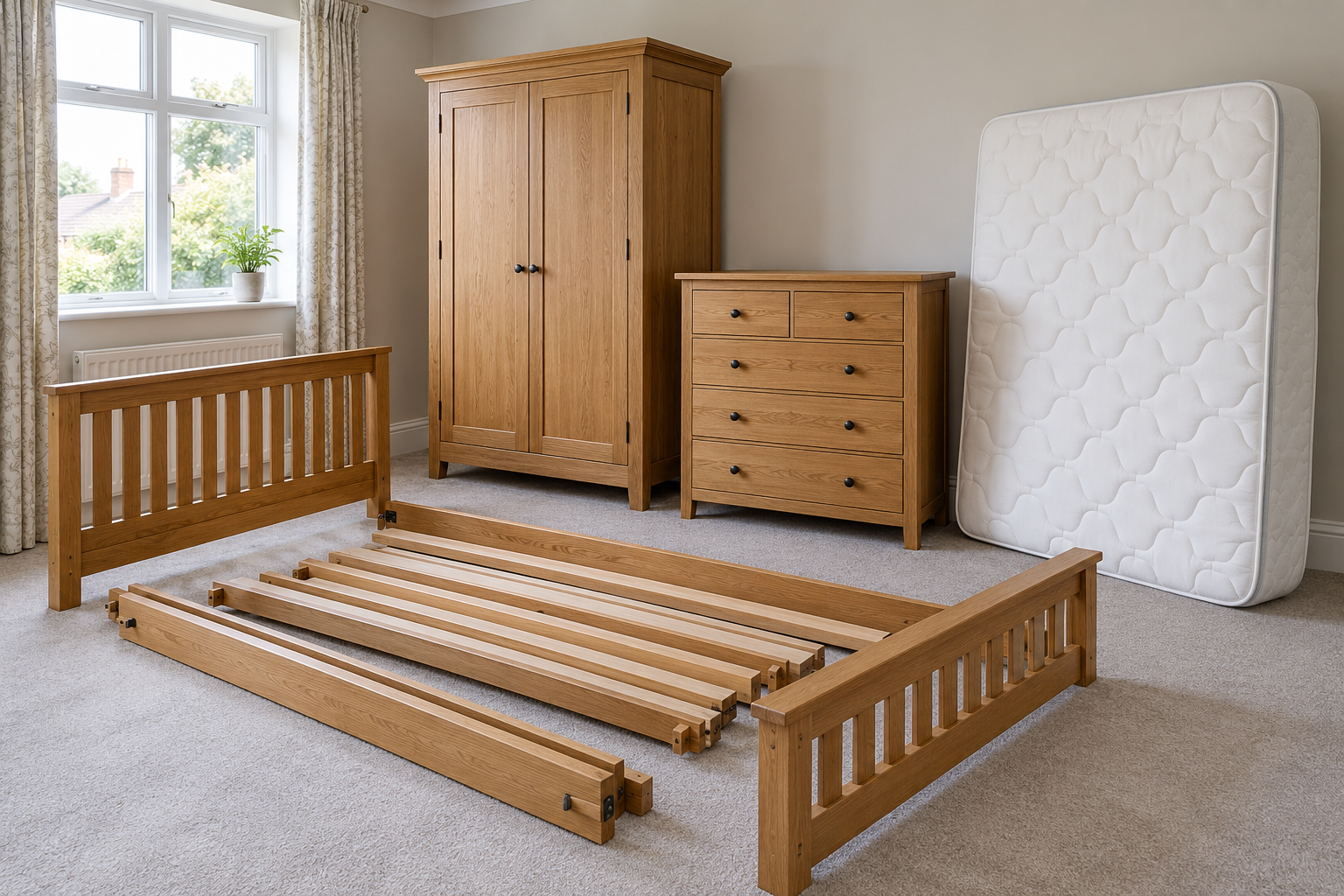
List mattresses, bases, frames and wardrobes as separate components.
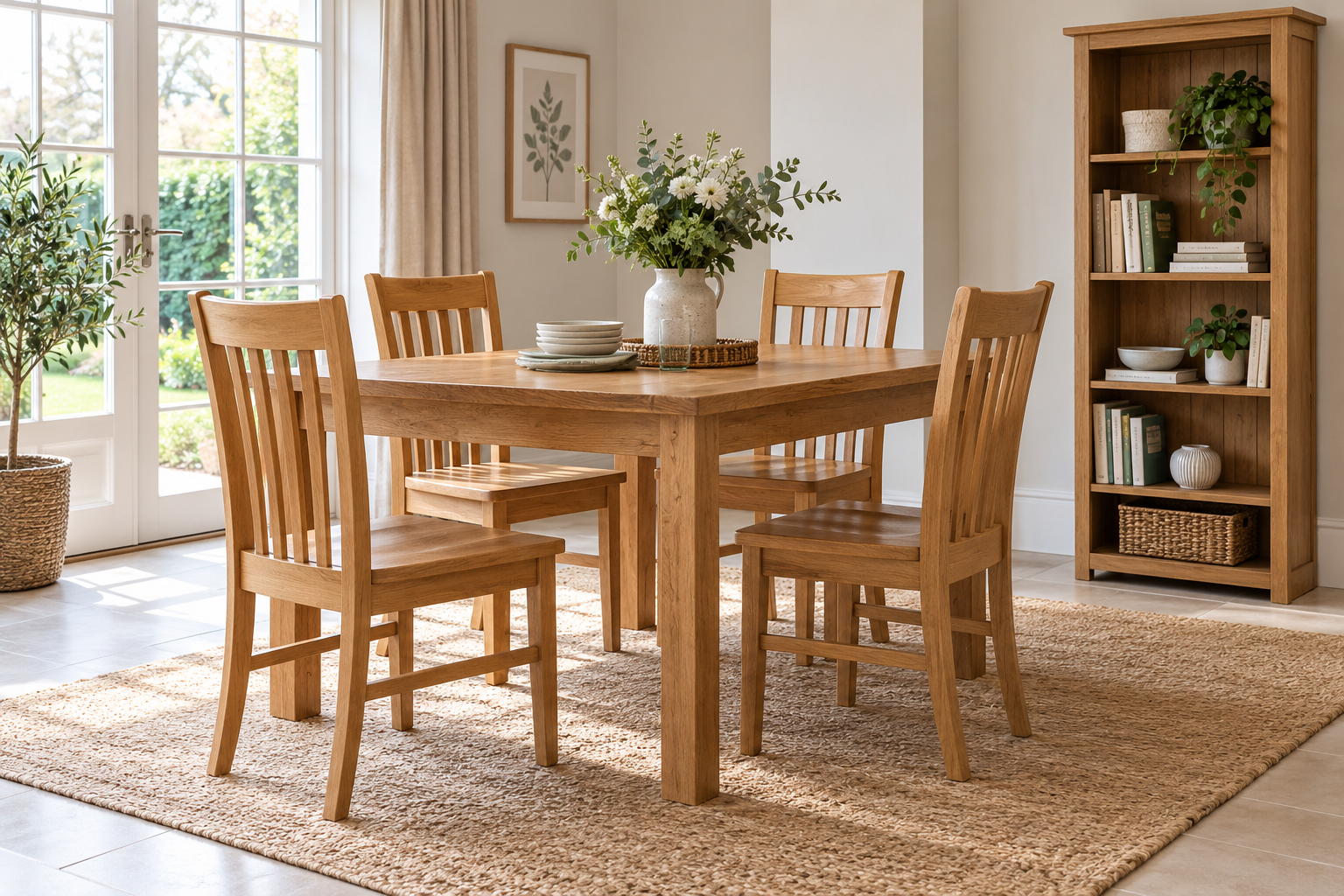
Count chairs separately and explain whether large tables come apart.
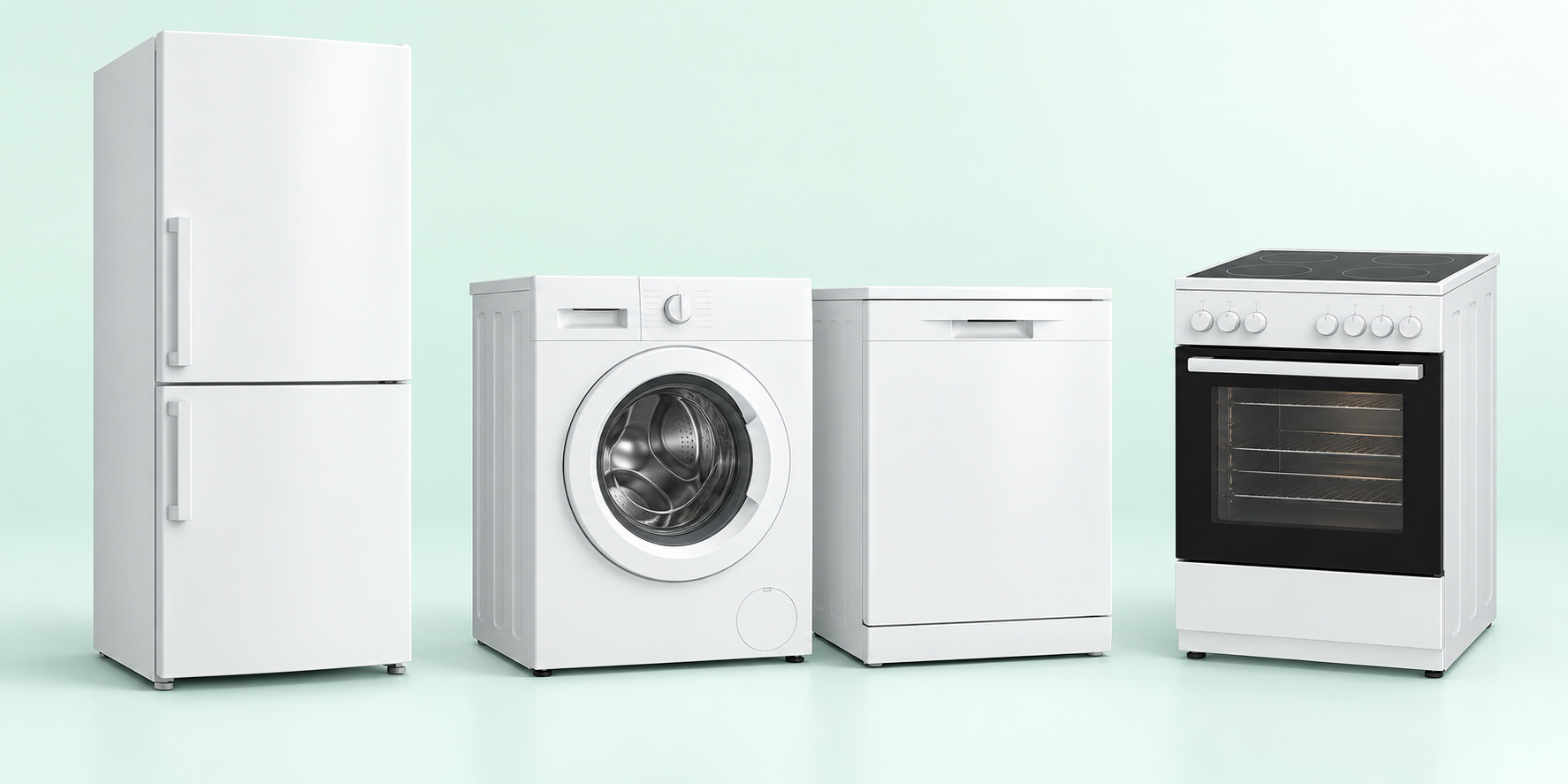
Identify each appliance and arrange any necessary disconnection.
Describe everything that needs to go, including awkward items and additional work.
Give the floor, stairs, gate access and carrying distance before collection.
See the booking details and price breakdown before confirming payment.
A Waste Transfer Note is provided after completion for your collection record.
Begin with the collection address. The price comes after you have entered the waste, access requirements and collection choices.
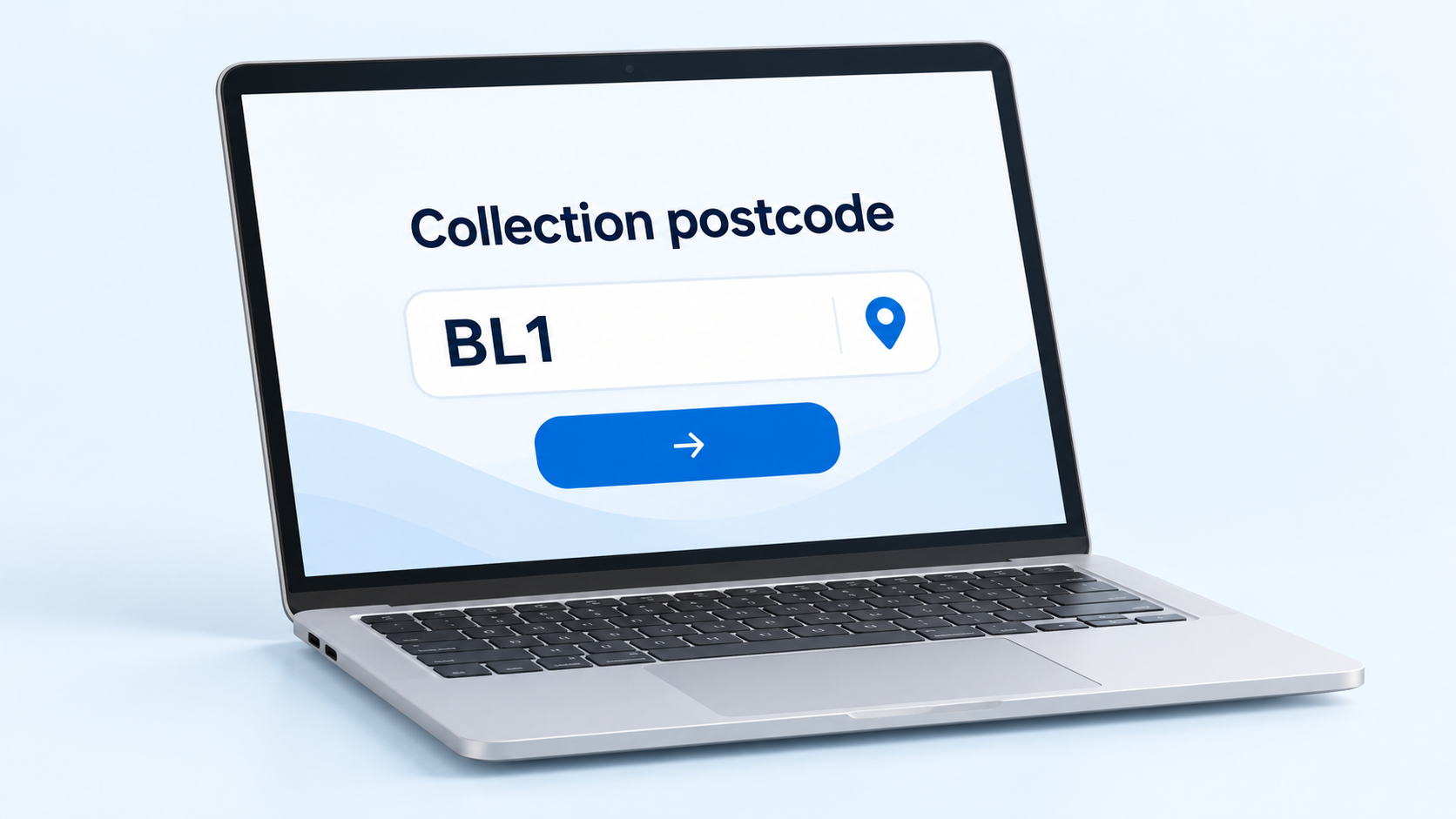
Use the full postcode and property details. BL1 is the Bolton example shown; enter your own postcode.
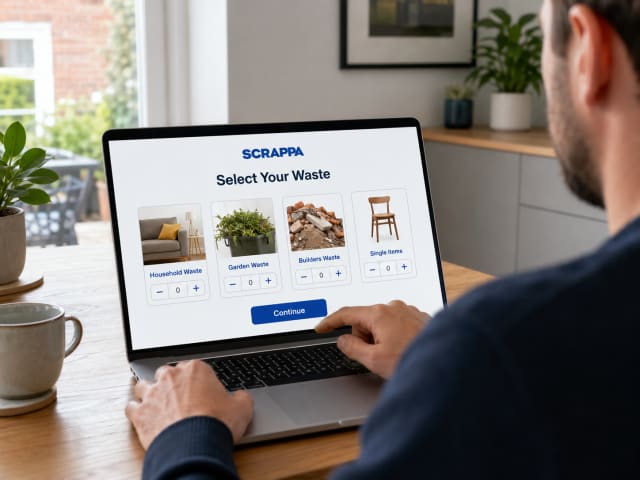
List the complete load, its quantities and any extras that affect handling.

Tell us about floors, stairs, loading distance and requested dismantling.
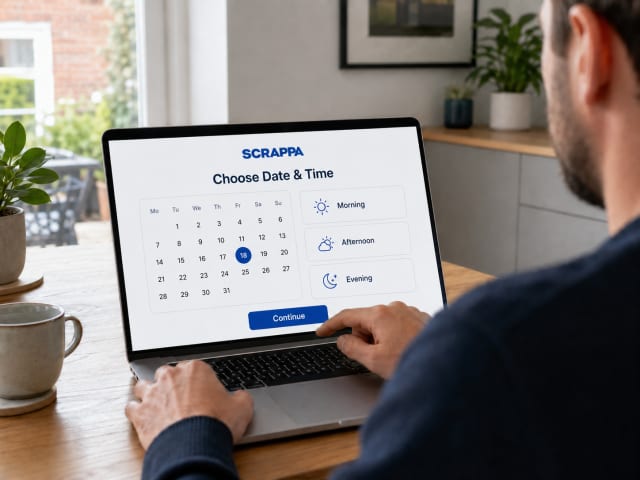
Select from the slots offered for your address and collection requirements.
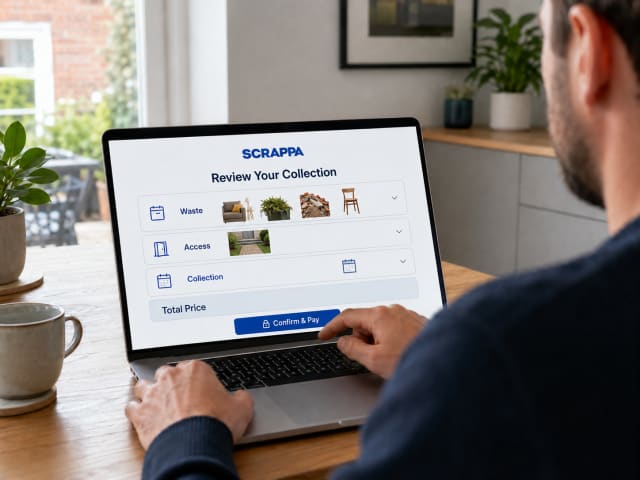
Check the price breakdown and booking details, then confirm and pay securely.
A large item is not a standard unit of weight or labour. List each piece and its quantity, including detachable sections. A bed may mean a frame alone or a frame, base, headboard and mattress; spelling that out gives a much clearer collection scope than simply writing bedroom furniture.
Check the width, depth and height of awkward pieces, together with the tightest doorway or stair turn. Furniture that entered in flat-pack form may not leave fully assembled. Mention unusually heavy materials such as solid stone tops or large metal mechanisms so handling can be assessed before collection.
Give the floor and number of flights if an item is upstairs. A lift needs to be large enough for the item, available during the slot and permitted for removal work. Tell us about external steps, split-level rooms and long corridors as well as the main staircase.
If an item needs taking apart, request that work when booking and identify the furniture concerned. Empty storage furniture first and keep the route clear. Do not remove load-bearing parts, damage upholstery or undertake unsafe cutting simply to make an item fit through a door.
Appliances should be emptied and safely disconnected by a suitable person where required. Describe upholstered seating by type rather than mixing it into a general bulky estimate. These items can need different handling, so accurate identification is essential even when they are being collected in the same visit.
If moving items outside yourself, keep them within your property and away from exits. Do not place large furniture on public pavements or assume a roadside space is reserved. Tell us if wet weather has affected the items, especially if their weight or condition has changed since booking.
For eligible household items, the council bulky service may be an option; check its item list, eligibility and access rules directly. When choosing a private collection, compare the full load, carrying work and timing. A headline item count alone does not show whether the two services cover the same job.
A location name is only the start of planning a collection. Around Bolton town centre and the Queen’s Park area, explain which entrance serves your property and where loading may be possible. For properties off Chorley New Road or near Queen’s Park, give the full address and actual loading entrance, particularly where a rear gate is on a different street.
For a flat, include the floor, lift size, caretaker arrangements and any booked loading window. For a house, describe side gates, rear yards, steps and separate storage areas. Never reserve a public loading position by obstructing the highway. Availability and the collection plan are checked using your actual address and declared load.
Homeowners, tenants, landlords and business contacts can use the service for an agreed collection. If you are arranging access for someone else, make sure you have authority to remove the items and a reliable contact for the day.
A loaded collection can suit a one-off clearance when you want an agreed load carried away in a visit. A skip may suit work producing waste over several days, provided you can load it and arrange suitable placement. Compare the actual material, access, labour and timing rather than assuming one option is always cheaper.
For eligible household items, Bolton Council also has a bulky collection service with its own conditions. Check those directly when comparing options. Scrappa collections are booked against the items and access you declare; specialist or restricted materials need agreement before booking. Do not mix unknown chemicals or suspected asbestos into an ordinary load.
Large unwanted items such as furniture, bed components and appliances may be suitable. Name each item so acceptance can be checked.
Include the complete list and quantities in one request so vehicle space and handling can be assessed.
Declare the floor, stairs and lift details before booking. The collection plan depends on the access and items.
Explain whether dismantling is needed and agree the work beforehand. Do not attempt unsafe dismantling.
Only if listed. Add the mattress, base, frame and headboard that you want removed.
Declare bags and their contents as part of the full request rather than adding them unannounced.
Enter the items, quantities, access, extras and collection choices. Review the resulting breakdown before confirming; contact Scrappa if you cannot accurately describe part of the job.
A Waste Transfer Note is provided after completion. Keep it with your collection record.
For bulky waste, an accurate item list matters more than a rough label such as large load. Give the number of pieces and identify separate parts. A wardrobe, a mattress and a fridge have different shapes and handling requirements; three bulky items does not explain the job adequately. Add dimensions where access is tight and flag solid, unusually heavy or mechanical pieces.
The booking details also need the carrying route. A ground-floor table beside the entrance is different from a wardrobe above two narrow flights of stairs. Declare dismantling, long corridors, restricted lift use and any appointment required for the loading bay. Review the price breakdown after entering the collection requirements rather than relying on a generic starting price.
Before collection, empty the items, remove belongings you want to keep and check that the agreed route is clear. Do not move a heavy item alone merely to place it outdoors. If another person is meeting the team, give them the final list and make sure they can explain any exclusions. Notify Scrappa before the visit if items or access have changed.
Start with your collection address, describe the whole job and check the available options. If anything is unusual, contact Scrappa before confirming so the collection can be arranged around it.
Start your collection quoteScrappa™ — Smart Waste Made Simple.