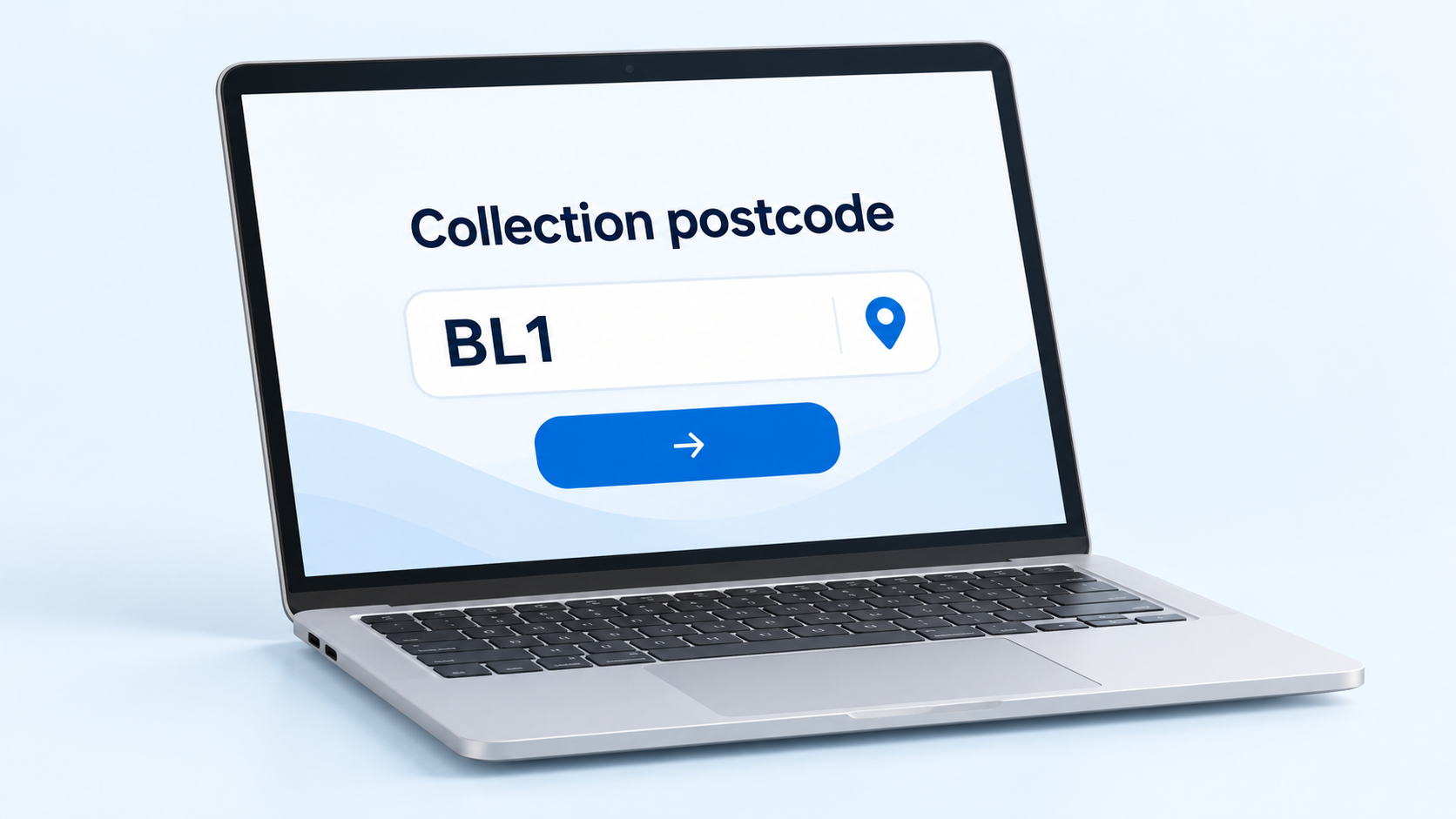
1. Enter the collection address
Use the full postcode and property details. BL1 is the Bolton example shown; enter your own postcode.
SCRAPPA™ · WASTE MANAGEMENT · BOLTON
An office clear-out needs to work around the building, the inventory and the people still using the space. Scrappa™ arranges office clearance in Bolton for agreed workplace furniture and contents, with a clear site contact and practical access arrangements before collection.
Start your collection quoteBegin with the collection address. The price comes after you have entered the waste, access requirements and collection choices.
Use the full postcode and property details. BL1 is the Bolton example shown; enter your own postcode.

List the complete load, its quantities and any extras that affect handling.

Tell us about floors, stairs, loading distance and requested dismantling.
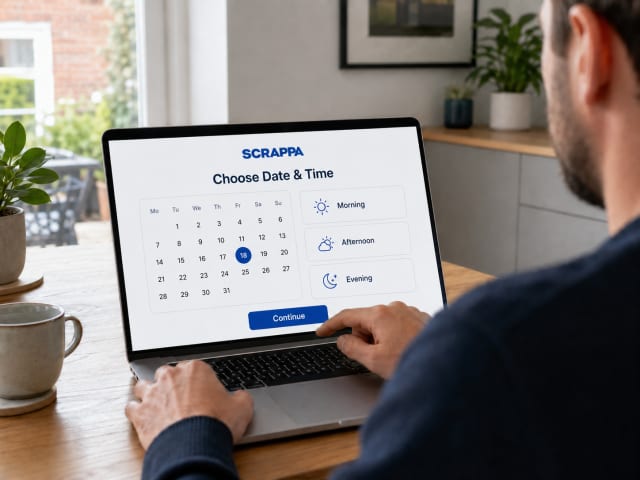
Select from the slots offered for your address and collection requirements.
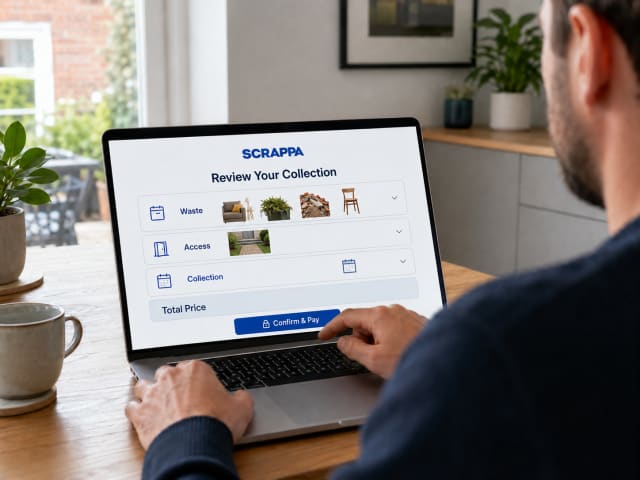
Check the price breakdown and booking details, then confirm and pay securely.
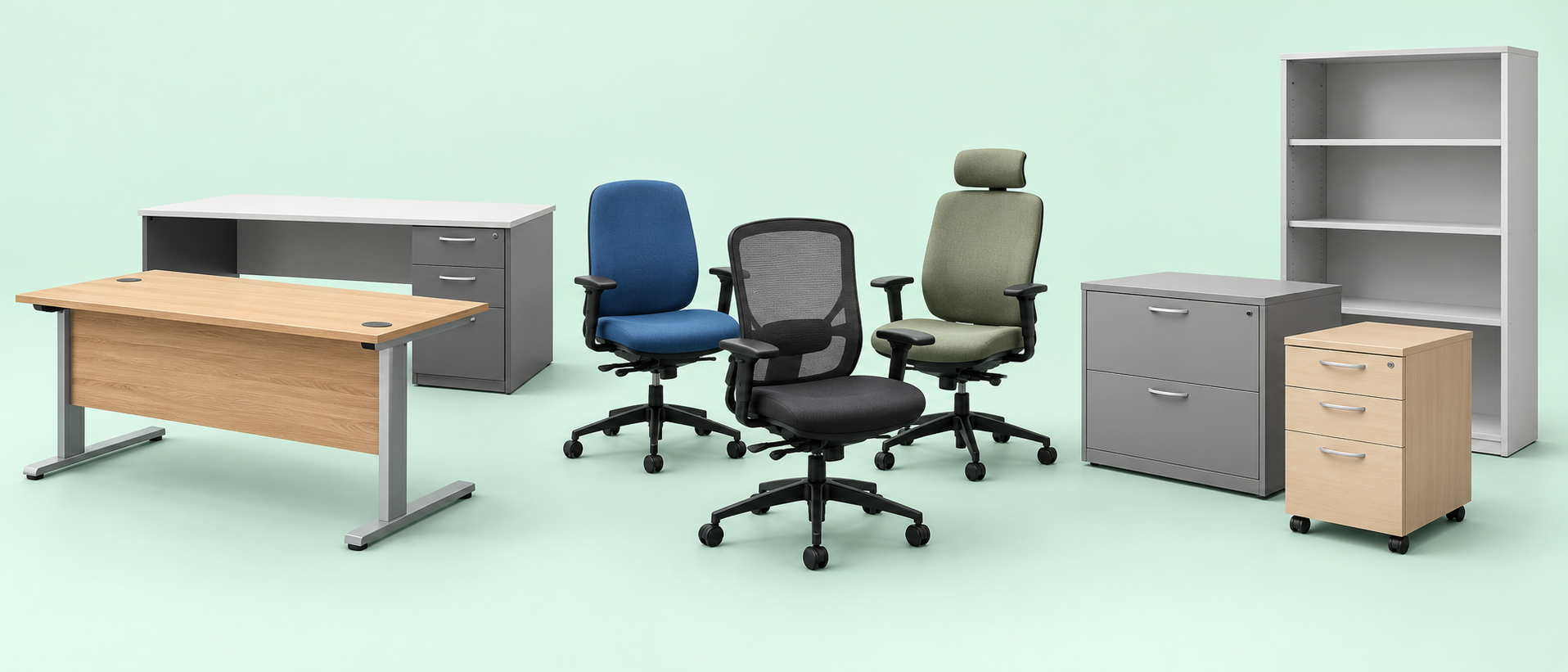
Count desks, pedestals and attached components separately.
Give chair quantities, table dimensions and bulky meeting-room pieces.
List cabinets and shelving, and remove sensitive records before collection.
Walk through the office, meeting rooms and storage areas rather than estimating from the main workspace alone. Count desks, chairs, cabinets and loose contents separately. State if only selected items are going. A floor plan or labelled room list can help an on-site contact guide the collection without interrupting staff who are still working.
Check whether items belong to the business, a landlord, a leasing provider or an employee. Resolve permissions before scheduling disposal. Mark retained furniture and remove personal belongings. The person booking should have authority to arrange removal, and the nominated site contact should know which decisions they can make on the collection day.
Empty cabinets, drawers and desk storage before collection. Scrappa does not offer confidential shredding, so sensitive business records need an appropriate separate route. Ordinary office clearance should not be treated as secure document destruction. Check furniture thoroughly so customer records and staff paperwork are not accidentally included with unwanted contents.
Identify any electrical equipment separately and ask about acceptance and handling before booking. Remove data-bearing items from the ordinary clearance list unless their collection has been specifically agreed. Collection does not imply certified data destruction, and it does not transfer responsibility for preparing business data to the collection team.
Give floor levels, goods-lift dimensions, access codes and any loading-bay appointment requirements. Check with the building manager about working hours, noise and permitted routes. State any stairs between the office and the lift. A lift being present does not mean every table or cabinet fits or that it can be used without permission.
Explain which desks, tables or shelving units need taking apart and whether they are fixed to walls or floors. Dismantling must be agreed in advance. Electrical isolation, plumbing, removal of fitted partitions and building repairs are different tasks and should not be assumed. Empty storage furniture and keep cables and loose belongings out of the carrying route.
For a move or lease-end clearance, set a realistic collection window before the final handover deadline. Make an informed site contact available, confirm building permissions and keep the final inventory current. Clearance removes the agreed contents; cleaning, reinstatement and decoration are separate unless expressly arranged. Retain the completed Waste Transfer Note with the business waste records.
The inventory, quantity, materials, floor, lift or stair access, carrying distance and requested dismantling help determine the quote. Ten empty desks on a ground floor are a different job from assembled furniture upstairs with a time-limited goods lift.
A useful request might list eight desks, eight chairs, four pedestals and two cabinets, with cabinet contents already removed and a booked loading bay. Add any loose waste, dismantling and timing requirements before reviewing the price breakdown and collection options.
If a relocation or fit-out programme changes the list or access, tell Scrappa before the visit. Additional furniture, stock or carrying work may need a revised arrangement. Do not assume an ordinary collection includes secure shredding, data destruction or building works.
Describe everything that needs to go, including awkward items and additional work.
Give the floor, stairs, gate access and carrying distance before collection.
See the booking details and price breakdown before confirming payment.
A Waste Transfer Note is provided after completion for your collection record.
A location name is only the start of planning a collection. Around Bolton town centre and the Queen’s Park area, explain which entrance serves your property and where loading may be possible. For homes near Chorley New Road and Queen’s Park, explain which entrance leads to the contents and whether loading access is on a different street.
For a flat, include the floor, lift size, caretaker arrangements and any booked loading window. For a house, describe side gates, rear yards, steps and separate storage areas. Never reserve a public loading position by obstructing the highway. Availability and the collection plan are checked using your actual address and declared load.
Homeowners, tenants, landlords and business contacts can use the service for an agreed collection. If you are arranging access for someone else, make sure you have authority to remove the items and a reliable contact for the day.
Specify the rooms and item list, and mark all furniture that should remain.
List the quantities of each, together with cabinets, pedestals and other agreed contents.
No. Arrange an appropriate specialist service for confidential records before the clearance.
Do not assume that. Agree the equipment scope separately and arrange appropriate data preparation or specialist destruction.
Explain the permitted working window and check available collection options before relying on a date or time.
Request the specific dismantling needed when booking. Fixed fittings and building work are not automatically included.
Nominate someone who can provide access, explain the inventory and handle scope questions.
Keep the booking details, invoice and Waste Transfer Note provided after completion with the business records.
For furniture that can be reused, investigate suitable business reuse or resale routes before booking waste collection. Confirm acceptance, quantities and collection logistics with the receiving organisation.
A private loaded collection can suit a defined workplace clear-out. A skip may be more suitable for waste generated over several days, subject to placement, material restrictions and your ability to load it. Compare the full task rather than treating either option as universally cheaper.
Start with your collection address, describe the whole job and check the available options. If anything is unusual, contact Scrappa before confirming so the collection can be arranged around it.
Start your collection quoteScrappa™ — Smart Waste Made Simple.