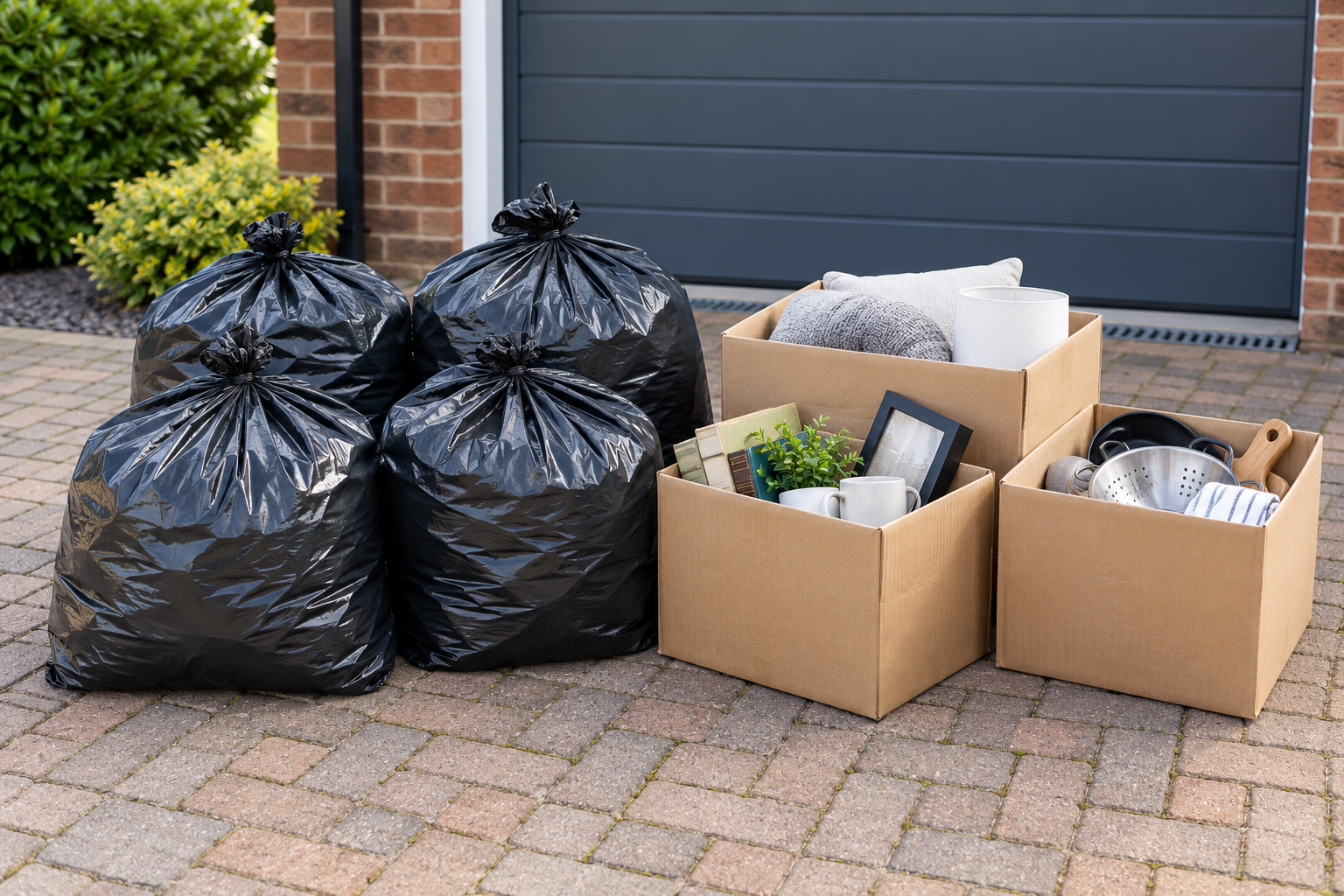
Bagged waste and loose contents
Give the number of bags and explain their contents, not just their colour or size.
SCRAPPA™ · WASTE MANAGEMENT · BURY
Waste removal works best when the booking describes the job that is actually waiting. Scrappa™ helps Bury households and businesses arrange agreed collections, from unwanted household contents to separately declared heavy materials, with practical access and handling details considered before confirmation.
Start your collection quoteGive the number of bags and explain their contents, not just their colour or size.
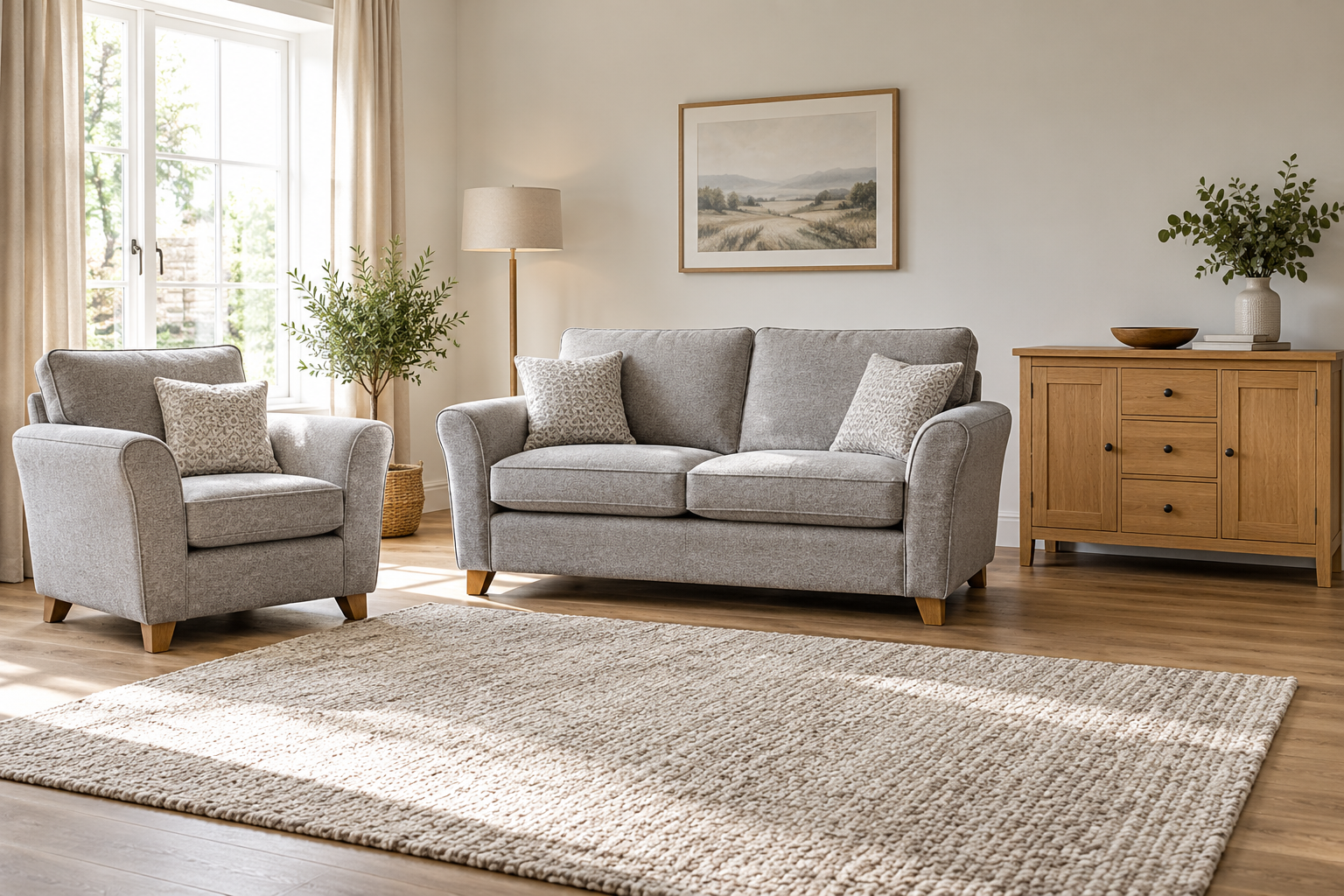
Name furniture, seating and storage separately, including items in different rooms.

Distinguish green cuttings from soil, turf, rubble and mixed garden contents.
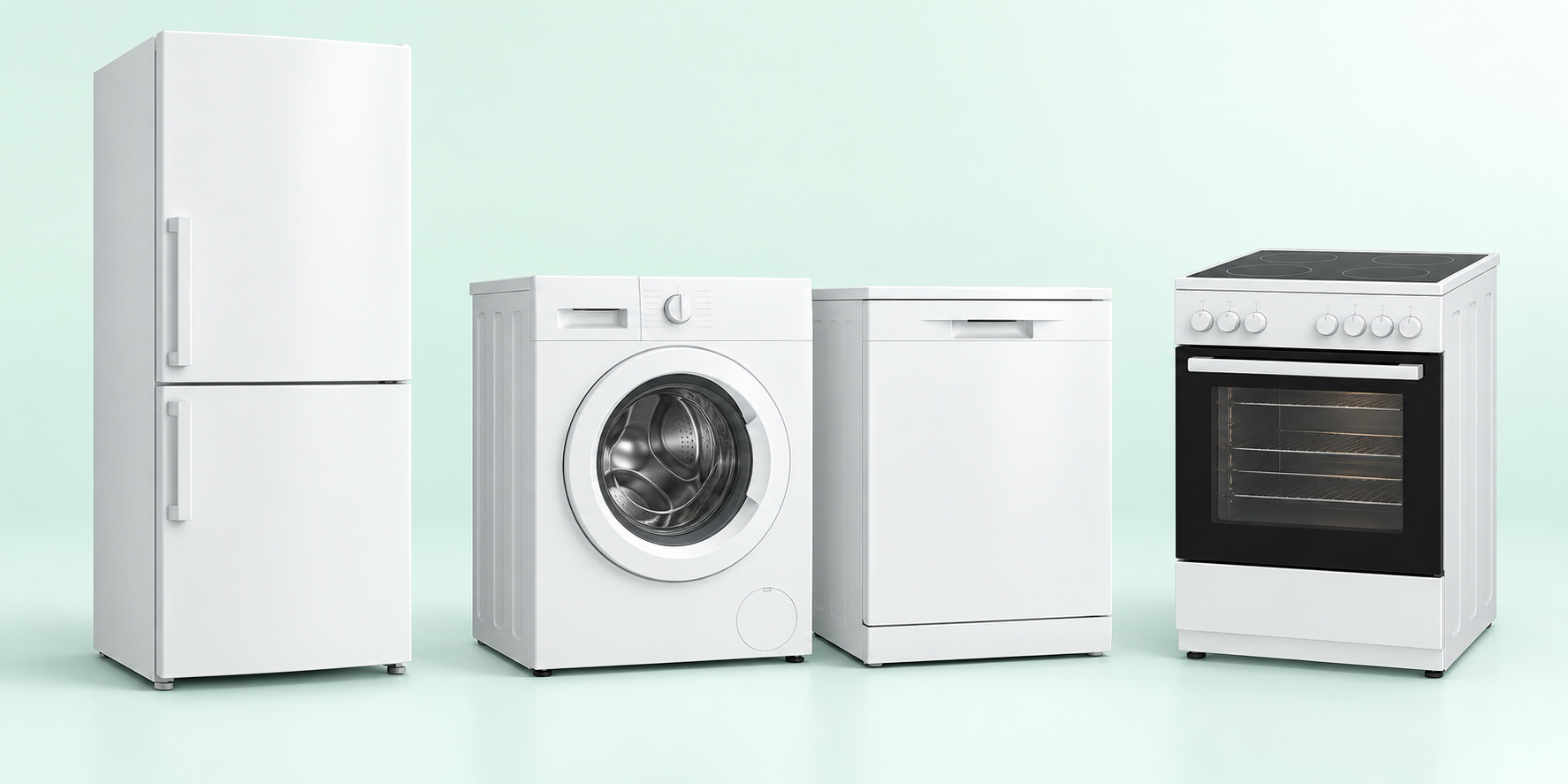
Identify appliances individually and explain their preparation and location.
Tell us what needs removing and identify anything staying. The collection can then be planned around a defined load.
Stairs, lifts, carrying distance and loading arrangements belong in the booking details, rather than being left until arrival.
Complete the collection details and available date choices, then check the breakdown before confirming and paying.
Keep the booking confirmation and the Waste Transfer Note provided after the completed collection.
The collection address comes first. The full price follows your waste, access, details and date choices.
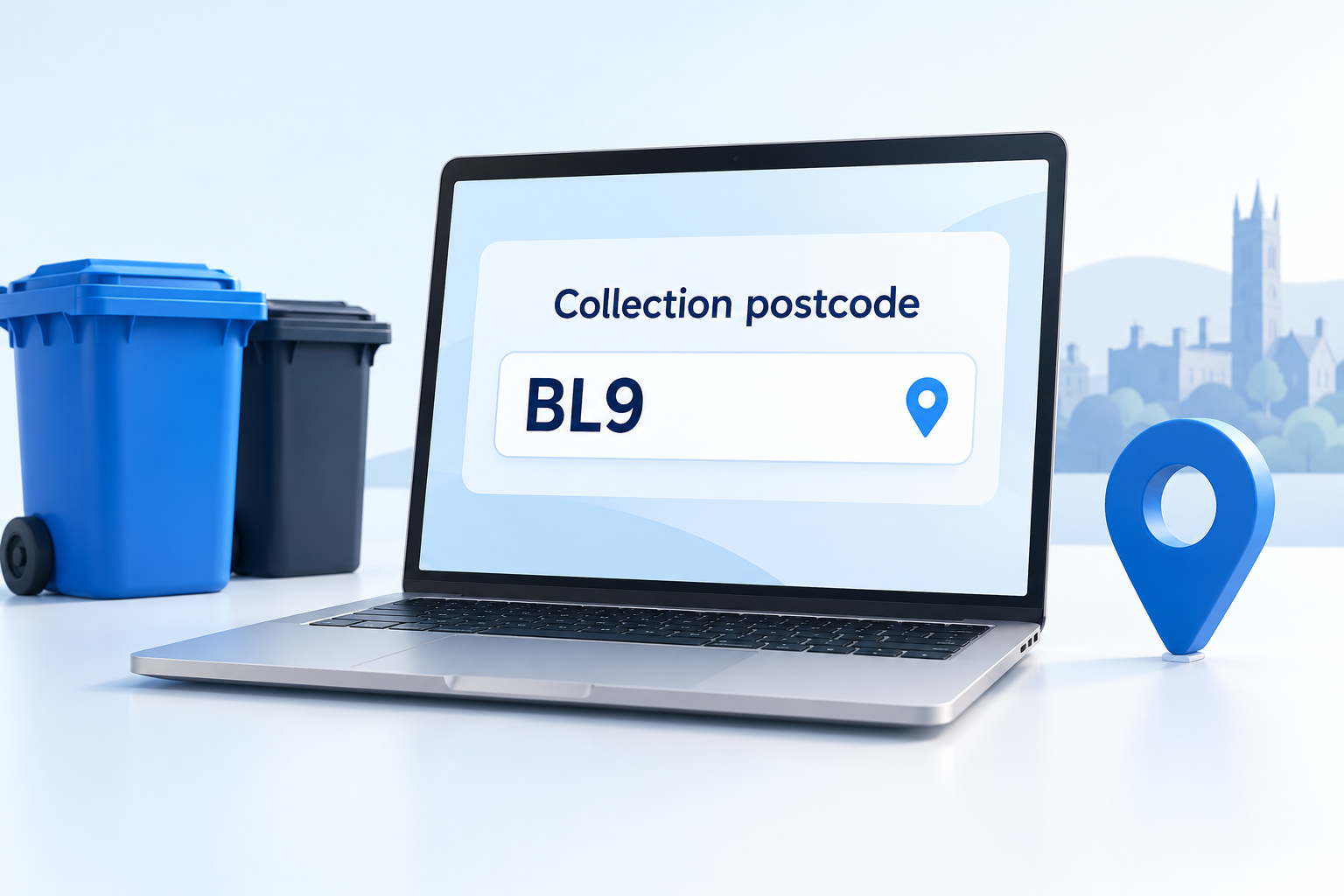
Use the full collection postcode and address. BL9 is the Bury example shown; your own full address is needed to check the job.
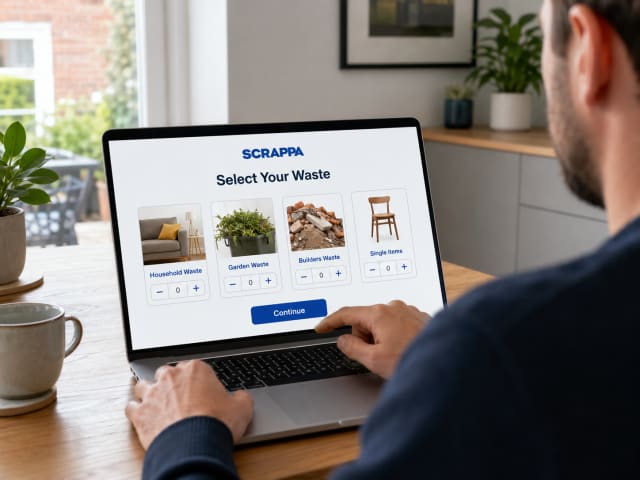
Give the type, quantity and condition of the complete load. Add separate bulky items and materials needing particular handling.

Include floors, stairs, lift access, carrying distance and any requested dismantling or extra loading work.
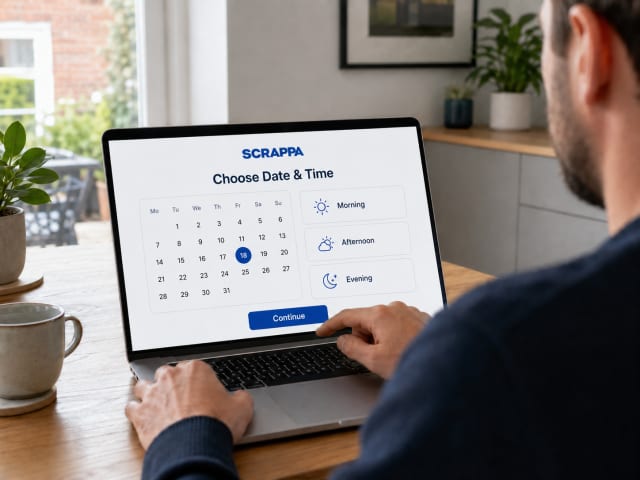
Check the dates and time windows available for the address and job details. Tell us about an important deadline before relying on a slot.
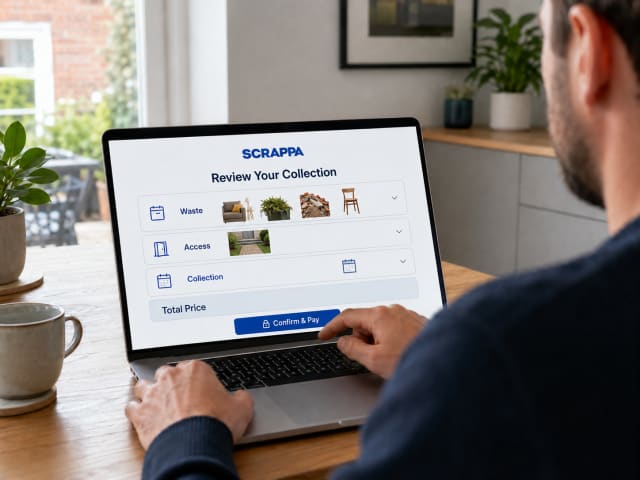
Read the final scope and price breakdown, confirm payment and retain the booking details. Update Scrappa before the visit if anything changes.
A collection described only as half a van leaves important questions unanswered. List the material groups first and add quantities or dimensions. Furniture, household bags, green cuttings and building debris need different information. If part of the pile cannot be identified, ask before booking instead of placing it in an ordinary mixed-waste category.
Count sacks, boxes and other containers, but explain whether they hold light packaging, crockery, books or something heavier. A container does not define a waste type. Say if a bin, bulk bag or storage box must stay at the property, and describe whether loose material needs carrying from more than one location.
Soil, rubble, tiles, plasterboard and waterlogged material should be identified separately. Their handling and weight may matter before the available space is filled. Keep dense materials distinct when describing the load and do not hide them under ordinary household bags. Approximate quantities and clear photographs can support an assessment.
Name upholstered seating, cooling appliances and other specialist items rather than grouping them as miscellaneous contents. Ask about chemicals, gas cylinders, suspected asbestos or unidentified liquids before inclusion. An ordinary waste-removal booking is not permission to include every material, and uncertain contents should be discussed before the collection is confirmed.
Explain the floor, stairs, lift, gates and carrying distance. A waste pile visible from the road may still be behind a locked passage or across several steps. For a business or managed building, check permitted loading access and who can unlock the route. The useful detail is how the waste can actually leave.
Say whether large pieces are assembled, fixed or ready to carry. Request dismantling and extra loading work explicitly. Collection should not be assumed to include digging, demolition, disconnection or making good. Agree the task around the material and work required, rather than expecting a generic collection to cover unexpected labour.
Before the visit, compare the final pile with the booking. Inform Scrappa if the load has grown, materials have changed or access is different. Keep belongings that must remain away from the agreed collection. After completion, retain the invoice and Waste Transfer Note as a record of the removal.
Materials, quantity, handling, access, requested extras and the available collection choices determine the quote. Dense renovation waste and light household clutter can look similar in volume but require a different assessment. The full breakdown is available after the relevant details and date choices have been entered.
A useful request might list household bags in a rear yard, a wardrobe upstairs and a separate small rubble pile. Give the quantities, the route out and any dismantling required. That is more useful than choosing a mixed-load estimate which does not account for the different parts of the job.
Changes should be discussed before the visit. Extra materials or additional carrying work may need a revised arrangement, so keep Scrappa informed instead of assuming spare vehicle space covers every addition.
For addresses around The Rock, Market Place, Moorgate and the wider town centre, identify the actual entrance and a suitable loading point. A shop frontage, shared doorway or rear service entrance can lead to different access arrangements. Check any permissions or restrictions affecting your property rather than assuming a collection booking reserves road space.
Around Walmersley Road and the Clarence Park area, describe side passages, steps and the distance from the property to loading. The full address matters more than the nearest landmark. Explain any gate or building access that somebody else controls.
Use your full postcode when checking collection options. The BL9 illustration is an example, not confirmation that every address in the district has the same availability or price. We plan from the actual collection details and do not promise a daily crew in every street.
A loaded collection can suit an agreed pile that is ready to leave. A skip may suit an ongoing project, provided its placement, accepted materials and self-loading requirements work for you. Compare the actual scope rather than assuming one method is always the cheaper choice.
Bury Council also offers a bulky household collection service under its own conditions. Check eligibility, accepted items and preparation directly if comparing options. A private collection should be chosen because its agreed scope and access suit the job you need.
Separate the material groups, give quantities and name bulky or specialist pieces. Avoid using mixed waste to hide heavy or uncertain contents.
Describe the business waste, quantities, site access and responsible contact so the collection can be assessed.
No. Identify rubble and other dense materials separately so weight and handling can be considered.
Item counts, bag counts, approximate dimensions and clear photographs can help. Ask Scrappa if you are uncertain before confirming.
Declare the location, floors, stairs and carrying route so the necessary work can be agreed.
Request it expressly for the relevant items. Building work and disconnection are not automatic parts of waste collection.
Check available slots and obtain confirmation. Same-day collection depends on the actual job and capacity.
Keep your booking confirmation and invoice, and the Waste Transfer Note provided after completion.
Start with the Bury collection address and include the complete inventory, access and requested work. Review available options and the final breakdown before confirming. If any part of the job is uncertain, contact Scrappa first so it can be discussed before the visit.
Start your collection quoteScrappa™ — Smart Waste Made Simple.