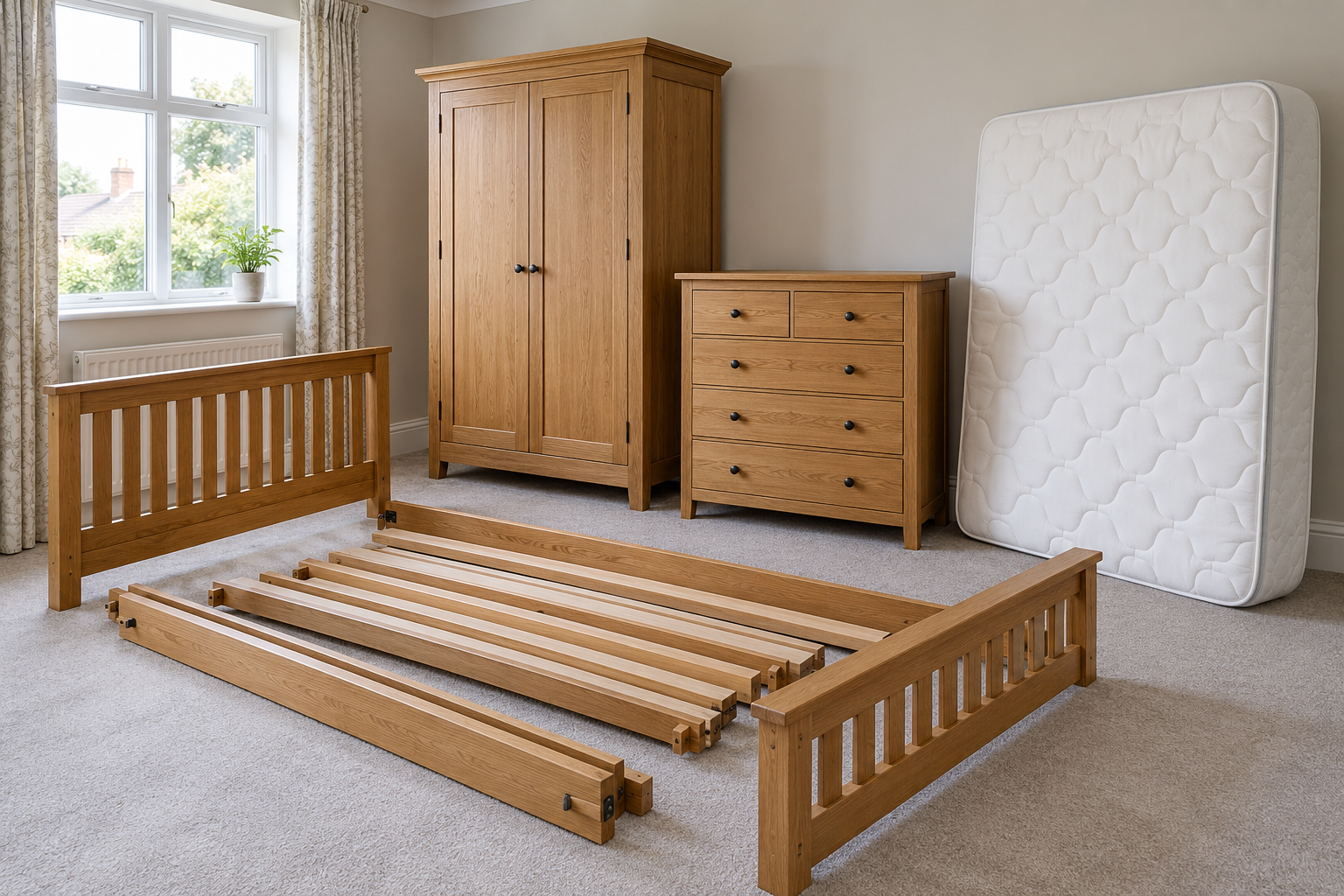
Bedroom furniture
List beds, bases, headboards, chests of drawers and wardrobes separately. State the bed size and any mirrored doors. For storage units, tell us whether they are freestanding or fixed and whether they can leave the room intact.
Make space for a new room layout without trying to fit a wardrobe into the car. Scrappa arranges collection of unwanted furniture in Bury, from a single piece to a clearly listed group of household items.
This service is for furniture you want to dispose of. Tell us what is leaving, what needs to stay and how each piece can be reached. We plan lifting and loading around the agreed inventory, including stairs or dismantling when these have been declared and accepted.
Get your furniture removal quoteFurniture names can hide important differences. A lightweight flat-pack cabinet and a full-height solid wood wardrobe require different preparation. Use the item descriptions below to build a useful collection list rather than selecting the closest-looking size and hoping for the best.
List beds, bases, headboards, chests of drawers and wardrobes separately. State the bed size and any mirrored doors. For storage units, tell us whether they are freestanding or fixed and whether they can leave the room intact.
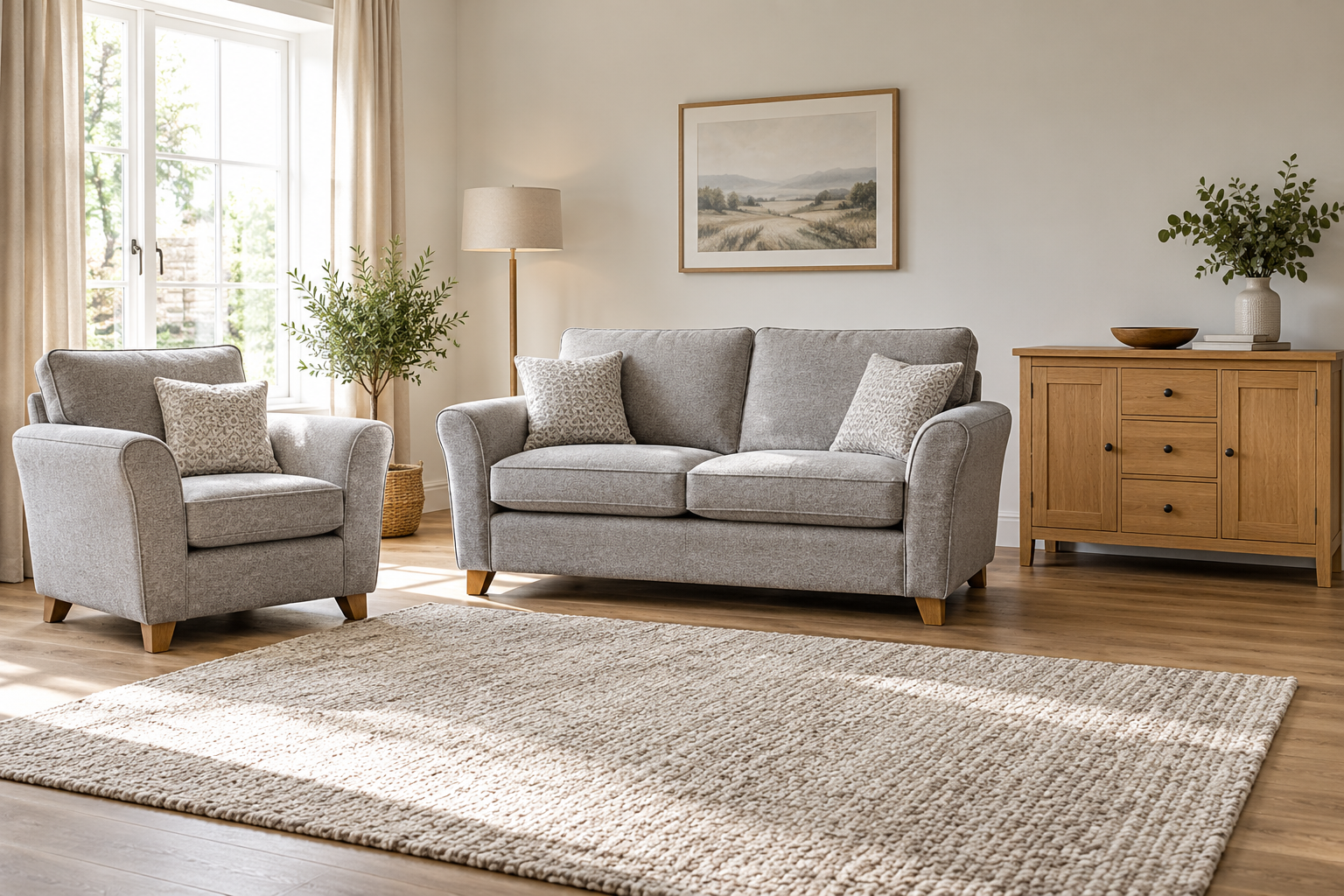
Describe sofas, armchairs, sideboards, coffee tables and TV units. Include recliner or sofa-bed mechanisms and identify glass shelves or doors. A photograph should show the complete piece, not just its front surface.
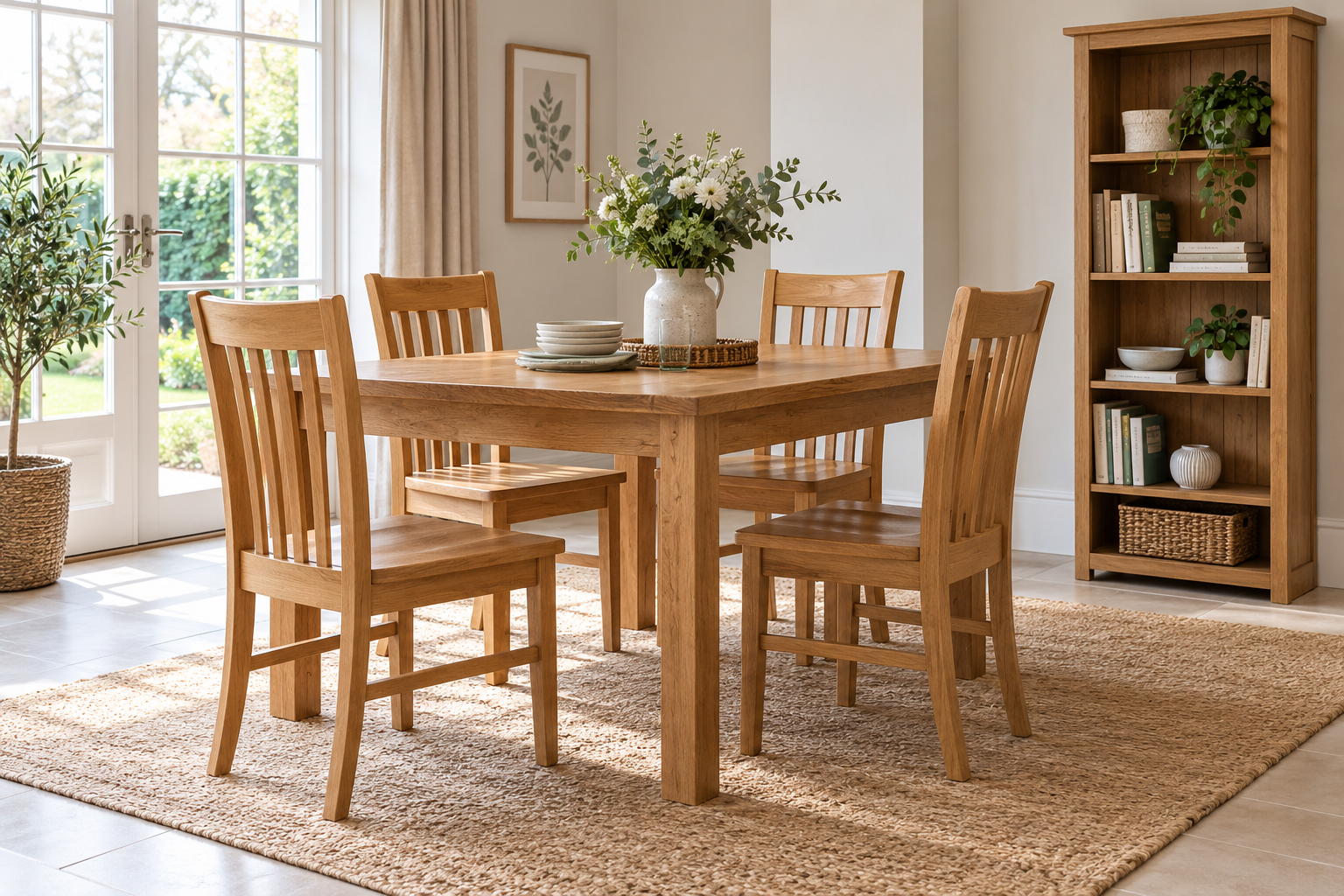
Give the table dimensions, top material and number of chairs. Explain if an extending table separates or has loose leaves. Stone, marble and thick glass tops need specific assessment because their weight may be substantial.
Desks, filing cabinets, bookcases and office chairs can be included when listed. Empty drawers and remove documents beforehand. If computers or electrical equipment also need collecting, declare those separately. Furniture collection does not include confidential shredding or data destruction.
Walk through the property and write down every piece to remove. Count a dining table and its chairs individually. Record separate bed components and any furniture stored in a garage or upstairs room. Group the list by room so it is easy to check before booking and again on collection day.
In a partly furnished home, use clear labels or separate the retained items. Empty drawers, cupboards and hidden compartments, checking for papers, keys, jewellery and sentimental belongings. The person supervising collection should know the agreed list and have authority to dispose of it.
Alongside an item photo, show tight doorways, stair turns and any gate between the property and loading point. Include approximate dimensions if a large piece appears difficult to move. This is particularly useful when a wardrobe was assembled in the room or a sofa came in through an unusual entrance.
Tell us before booking if a frame, table or wardrobe must be taken apart. Describe fittings and mirrored panels, and say whether you have already removed any parts safely. Dismantling must be assessed and included; it should not be assumed to be part of every furniture collection.
Move small loose possessions out of the route and keep children and pets away from the lifting area. Leave heavy items in their declared position rather than attempting a risky move. If access has changed since booking, contact us before the collection so the plan can be reviewed.
A furniture removal job includes more than the space an item occupies in a vehicle. We ask about its room, floor, carrying distance and any dismantling. That information helps arrange the loading work for the actual property, rather than relying on a generic promise about every doorway or staircase.
Review the item list and price breakdown before payment. Describe unusual materials, damage and mechanisms so the booking reflects what is there. If you add another chair or replace a standard sofa with a recliner in the list, tell us before collection so any changes can be checked.
Scrappa’s Environment Agency registration is CBDU613703. Waste transfer documentation is provided after completion. We assess furniture by material and condition and arrange appropriate onward handling; we do not guarantee that every collected piece will be reused or recycled.
For an agreed collection, lifting and loading are arranged around the access you provide. Indoor collection can be requested, including upper floors where suitable arrangements have been confirmed. You can explain practical limitations without having to carry heavy furniture outside yourself.
Enter the full collection postcode and address. The BL9 illustration is a local example; availability is checked for your actual property.

Choose each furniture item and quantity. Include components of beds and suites and any extra storage furniture.

Explain floors, lifts, doorways and parking. Request any dismantling and add photos that clarify the route.
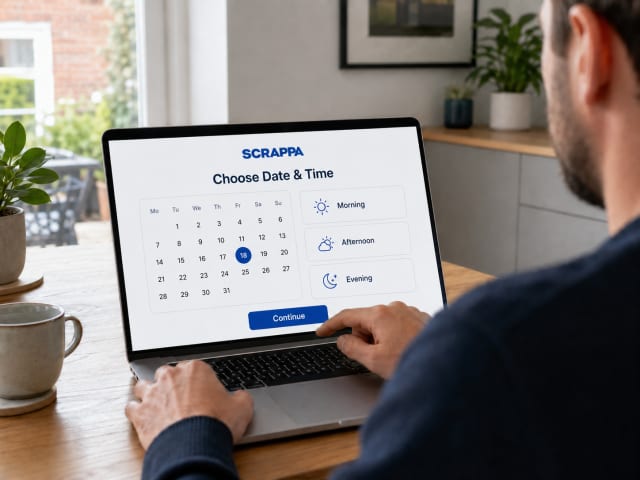
Select an available collection window. Tell us about a delivery or tenancy deadline before depending on a particular time.
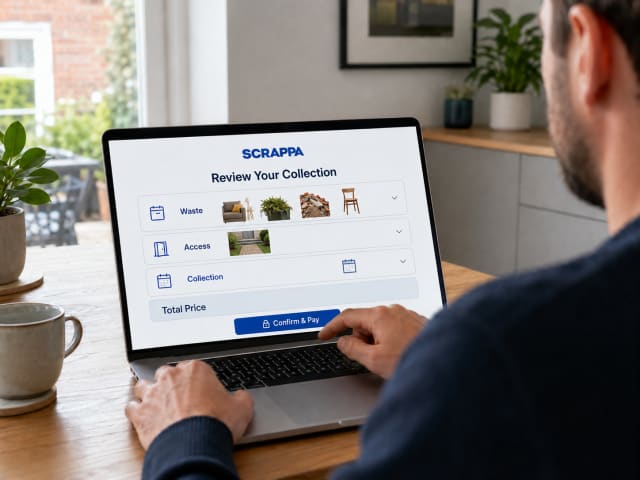
Review the price breakdown, details and scope before payment. Keep your confirmation and a contact available for collection.
The full address matters more than a general area name. At a Bury town-centre flat, explain the entrance, lift arrangements and lawful loading position. For a house with rear access, give the gate width, any steps and the carrying distance. If there is a locked communal door, arrange someone to provide access.
Requests from surrounding areas such as Tottington, Whitefield and Radcliffe can be assessed through the address check. Do not assume every nearby address has the same appointment options. Parking restrictions, loading bays and building rules should be described for the specific property rather than guessed from the postcode.
Agree who will meet the collection, identify the furniture and answer any questions. For an agent-managed property, confirm access arrangements with the agent and ensure that retained belongings are clearly marked. A booked appointment is not permission to enter a locked or unattended property without an agreed plan.
Size, weight, quantity and access all affect the work. A small side table at ground level is different from a large mirrored wardrobe upstairs. The materials, furniture mechanisms, carrying route and any dismantling can affect the collection, even when the two jobs appear to occupy similar vehicle space.
For example, a bedroom collection might include a double frame, mattress and wardrobe. State each component, whether the frame is dismantled and where everything is located. A living-room refresh might include a recliner, a glass TV unit and a sideboard; describe those materials and mechanisms instead of simply requesting “three items”.
These are planning examples, not fixed-price offers. Use your actual inventory to obtain a quote and check the breakdown. If more furniture is added later or an item differs from the description, contact Scrappa so capacity and any revised charge can be explained before the extra work is agreed.
If furniture is clean, usable and suitable for reuse, you may wish to ask a charity or community scheme about acceptance first. Check their condition and access requirements. A skip can be useful for an ongoing clearance if you can load it and have a suitable location. Scrappa’s collection is useful for a defined furniture list when lifting and loading need arranging.
This page covers collection of unwanted furniture for disposal. If you need furniture delivered to another address or placed in storage, ask about your requirements rather than booking a waste collection.
Yes. Give its type, approximate dimensions and location in the property. A single unusually heavy item or one with difficult access still needs assessment.
Tell us the floor, staircase layout and whether a suitable lift is available. Upper-floor collection must be arranged with those details accepted before the visit.
Request dismantling during booking and explain the item and fittings. It must be assessed and included in the agreed work; it is not automatically included for every piece.
Yes. Remove possessions, paperwork and loose contents before collection. Let us know if a damaged or stuck drawer prevents this rather than concealing contents inside.
A fitted unit needs a different assessment from freestanding furniture. Explain how it is attached and what removal work is needed. Do not assume building work or making good is included.
Keep the unwanted pieces accessible and update us if their position changes. Avoid blocking the route with new furniture or packaging. Add any packaging to the quote separately if it also needs removing.
No single outcome is guaranteed for every item. Suitability depends on materials, condition and available processing routes. Waste transfer documentation follows completion of the agreed collection.
Start with the collection address, list the furniture and explain the access. A clear inventory makes it easier to plan a collection that fits your property and avoids confusion about what is leaving.
Check your furniture collection optionsFor a specific item, explore sofa removal in Bury or mattress disposal in Bury. For a wider group of large household items, see bulky waste collection.