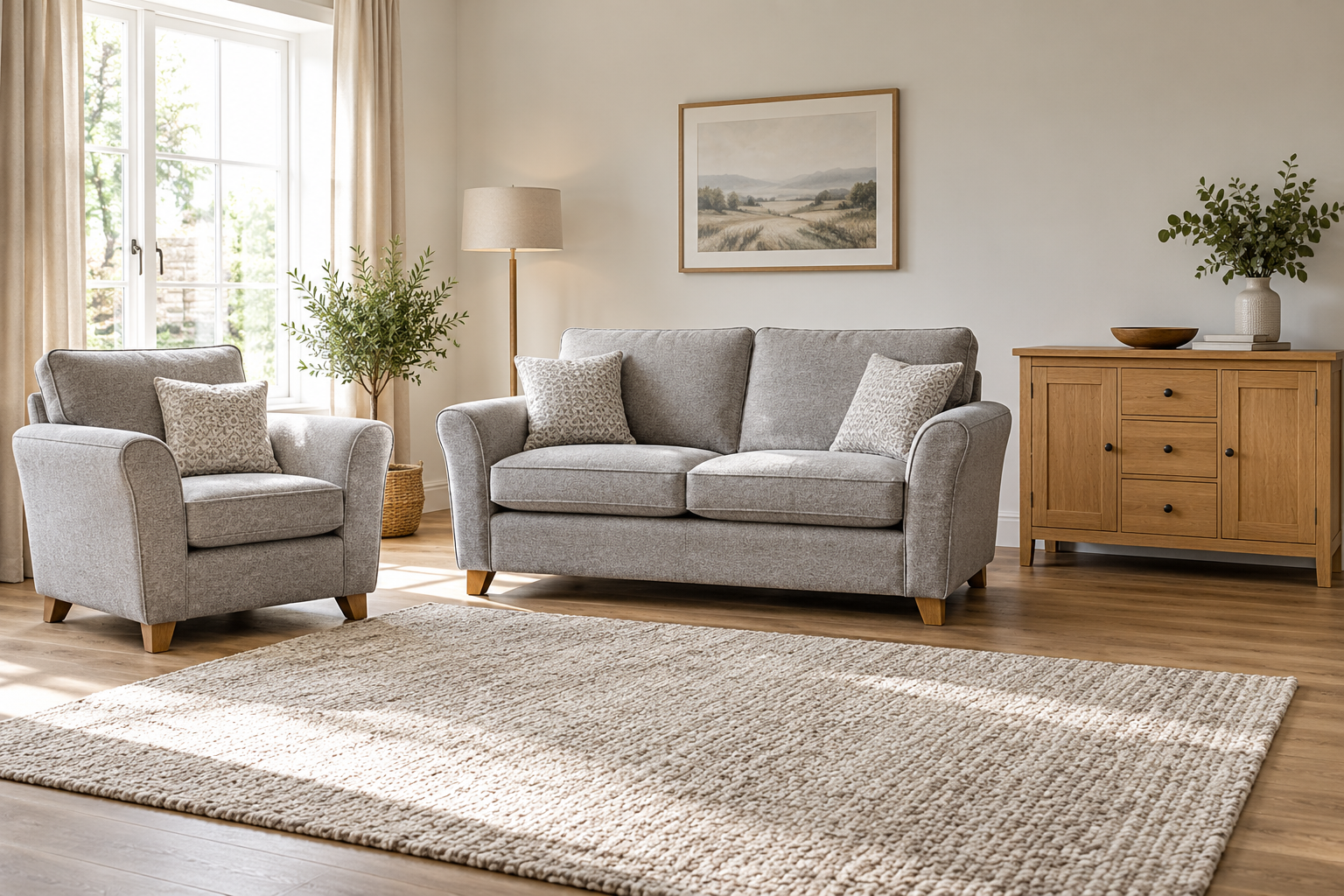
Unwanted stored furniture
Identify cabinets, chairs and shelving, including pieces hidden behind the main pile.
SCRAPPA™ · WASTE MANAGEMENT · BURY
Stored junk is often a mixture of things you forgot about and larger pieces you can no longer use. Scrappa™ helps Bury customers reclaim garages, spare rooms and other agreed storage areas by turning that mixture into a defined collection with practical preparation and access details.
Start your collection quoteIdentify cabinets, chairs and shelving, including pieces hidden behind the main pile.
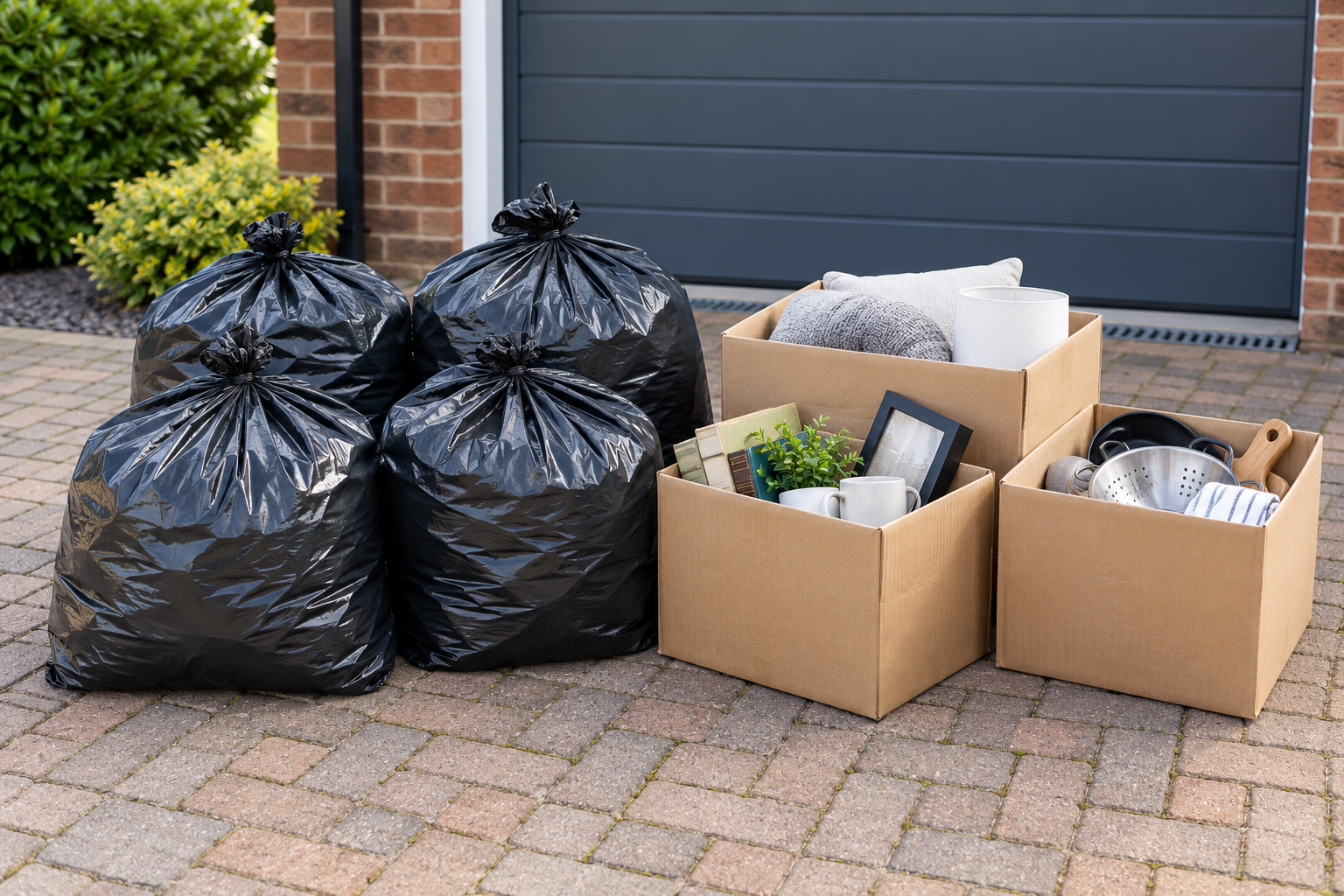
Give counts and explain the contents rather than relying on a label such as miscellaneous.
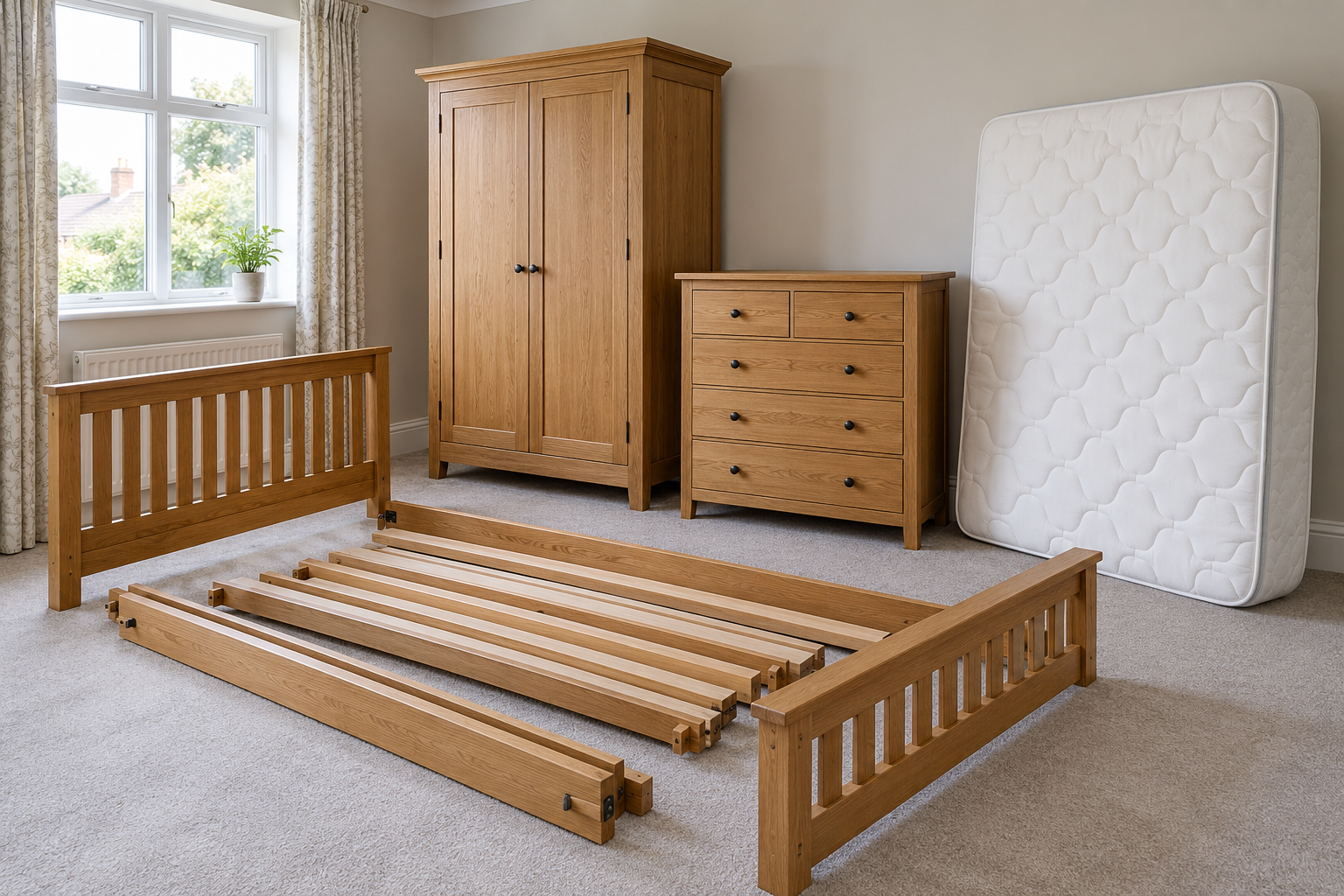
List bed parts, drawers and other storage furniture separately.
Tell us what needs removing and identify anything staying. The collection can then be planned around a defined load.
Stairs, lifts, carrying distance and loading arrangements belong in the booking details, rather than being left until arrival.
Complete the collection details and available date choices, then check the breakdown before confirming and paying.
Keep the booking confirmation and the Waste Transfer Note provided after the completed collection.
The collection address comes first. The full price follows your waste, access, details and date choices.

Use the full collection postcode and address. BL9 is the Bury example shown; your own full address is needed to check the job.
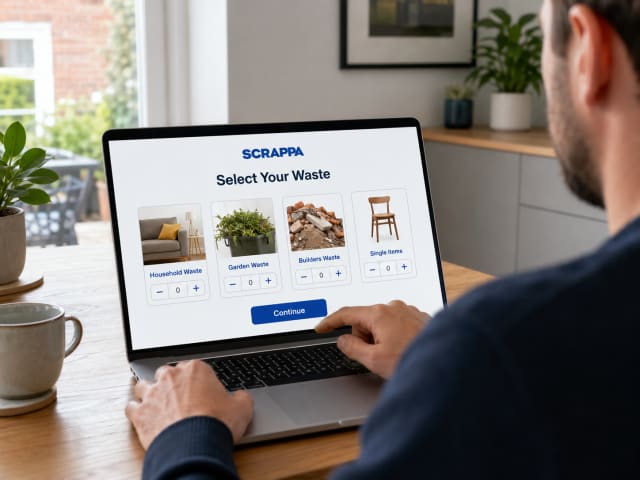
Give the type, quantity and condition of the complete load. Add separate bulky items and materials needing particular handling.

Include floors, stairs, lift access, carrying distance and any requested dismantling or extra loading work.
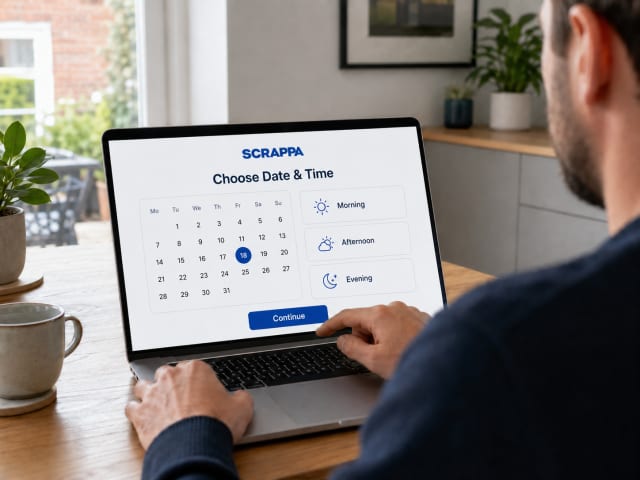
Check the dates and time windows available for the address and job details. Tell us about an important deadline before relying on a slot.
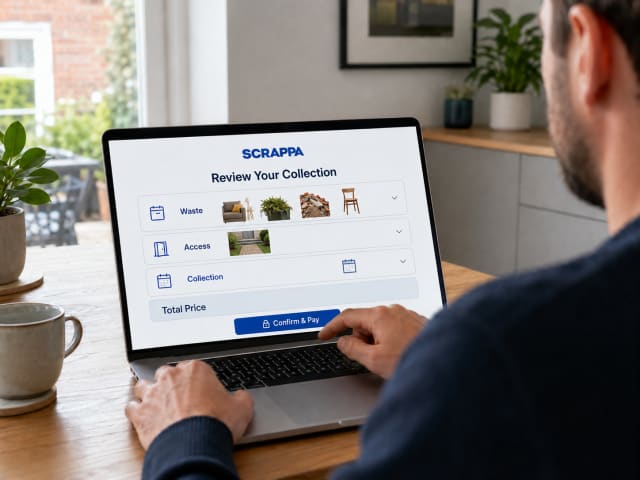
Read the final scope and price breakdown, confirm payment and retain the booking details. Update Scrappa before the visit if anything changes.
Sort items to keep, sell or donate before estimating the junk collection where possible. A garage may look full because possessions are spread across shelves, while another has dense stacked contents. Explain the actual material and quantity rather than booking from the size of the space alone.
Check behind large furniture and beneath work surfaces before describing the final pile. Include separate storage rooms or outbuildings only if they are part of the job. If an area cannot be safely inspected, explain the limitation. Do not climb unstable stacks or enter unsafe loft spaces to obtain a photograph.
A box of decorations is different from a box of tiles or heavy tools. Give useful content groups and identify dense materials. Do not include unknown liquids, powders or chemical containers as ordinary junk. Keep these separate until suitable handling has been discussed, even if they have been stored in the garage for years.
Tell us which shelving, benches and cupboards are freestanding and which are fixed to the building. Request dismantling for the items that need it. Unbolting a workbench, removing an attached unit or cutting building materials should not be assumed to be included in a general clutter collection.
Give the garage-door opening, side passages, steps and distance to loading. If junk is upstairs or must pass through the home, include those details. A vehicle parked in the driveway or a locked shared gate can change a route that appears straightforward in a photograph; arrange access before the visit.
Tools, books, metal components and old equipment can add substantial weight without filling much space. Identify appliances and bulky seating individually. If the junk includes dismantled machinery or unfamiliar equipment, explain it and ask about acceptance rather than treating every stored object as a standard household item.
Update Scrappa if sorting reveals additional waste or significantly reduces the load. Make an informed contact available and label retained belongings clearly. Keep the collection area and route accessible without creating unsafe stacks. After completion, retain the invoice and Waste Transfer Note with your booking record.
Junk-removal pricing depends on the actual items, quantities, weight, access, handling, requested extras and collection choices. The appearance of a full garage does not tell us how much removable waste is in it or whether shelving must stay.
A useful request could describe two empty cabinets, five boxes of household contents, a dismantled bed and several bags of light clutter. Add any dense tools or renovation materials separately and explain the carrying route. Review the resulting breakdown before confirming.
Contact Scrappa before collection if the final sorting changes the scope. Unlisted appliances, attached storage or a different loading route may need a revised arrangement rather than being assumed to fit the original booking.
For addresses around The Rock, Market Place, Moorgate and the wider town centre, identify the actual entrance and a suitable loading point. A shop frontage, shared doorway or rear service entrance can lead to different access arrangements. Check any permissions or restrictions affecting your property rather than assuming a collection booking reserves road space.
Around Walmersley Road and the Clarence Park area, describe side passages, steps and the distance from the property to loading. The full address matters more than the nearest landmark. Explain any gate or building access that somebody else controls.
Use your full postcode when checking collection options. The BL9 illustration is an example, not confirmation that every address in the district has the same availability or price. We plan from the actual collection details and do not promise a daily crew in every street.
For usable furniture or equipment, consider a suitable reuse route before classifying it as waste. Confirm whether the receiving organisation accepts the item and can collect it from the actual location.
A loaded removal can suit a completed sort-out. A skip may suit an ongoing clearance if you can safely load it and have suitable space. Compare the materials, carrying work and time available instead of choosing only from the size of a storage room.
Describe the complete contents, preparation and route out. Flag unknown or unusually heavy materials before booking.
Explain contents and shelving separately, including which units stay. Agree the actual removal and handling work.
Do not disturb anything that could be unsafe. Explain the uncertainty and obtain advice about the material before inclusion.
State that it is attached and request the specific work. Dismantling or building alterations are not automatic parts of junk removal.
Remove valuables and possessions you want to keep beforehand. The collection needs a clearly agreed waste inventory.
Name it separately and explain size, access and safe preparation so the full request can be assessed.
List each included area and describe the carrying routes rather than assuming one pile covers the whole property.
Inform Scrappa before the visit so capacity, work and any price changes can be reviewed.
Start with the Bury collection address and include the complete inventory, access and requested work. Review available options and the final breakdown before confirming. If any part of the job is uncertain, contact Scrappa first so it can be discussed before the visit.
Start your collection quoteScrappa™ — Smart Waste Made Simple.