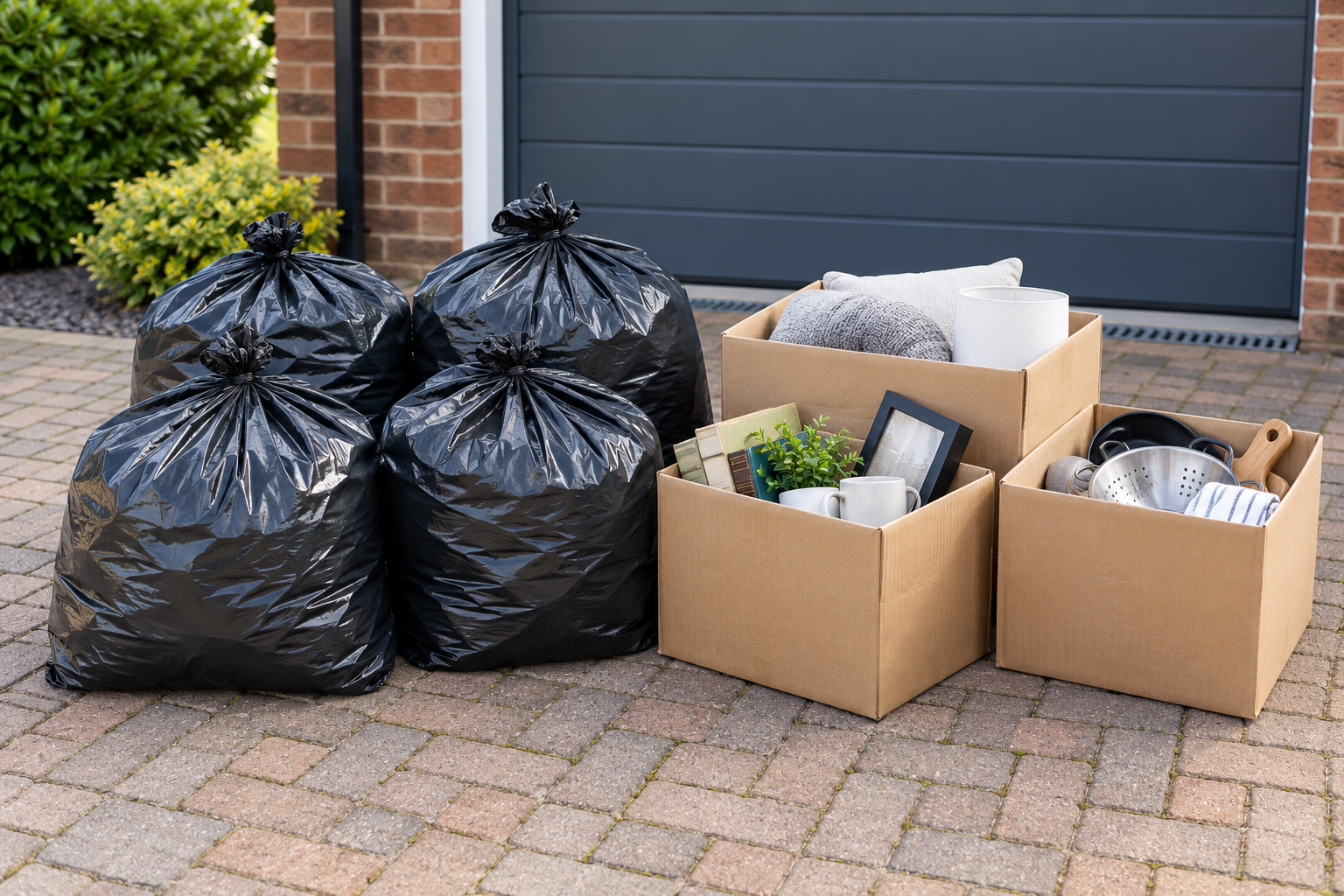
Sacks, boxes and loose clutter
Count containers and describe the actual household contents.
SCRAPPA™ · WASTE MANAGEMENT · BURY
When the spare-room clear-out spills into the hallway or the bags in the yard keep growing, a clear collection plan helps. Scrappa™ arranges rubbish removal in Bury around the complete pile, with bulky extras and heavier contents declared before you choose an available appointment.
Start your collection quoteCount containers and describe the actual household contents.
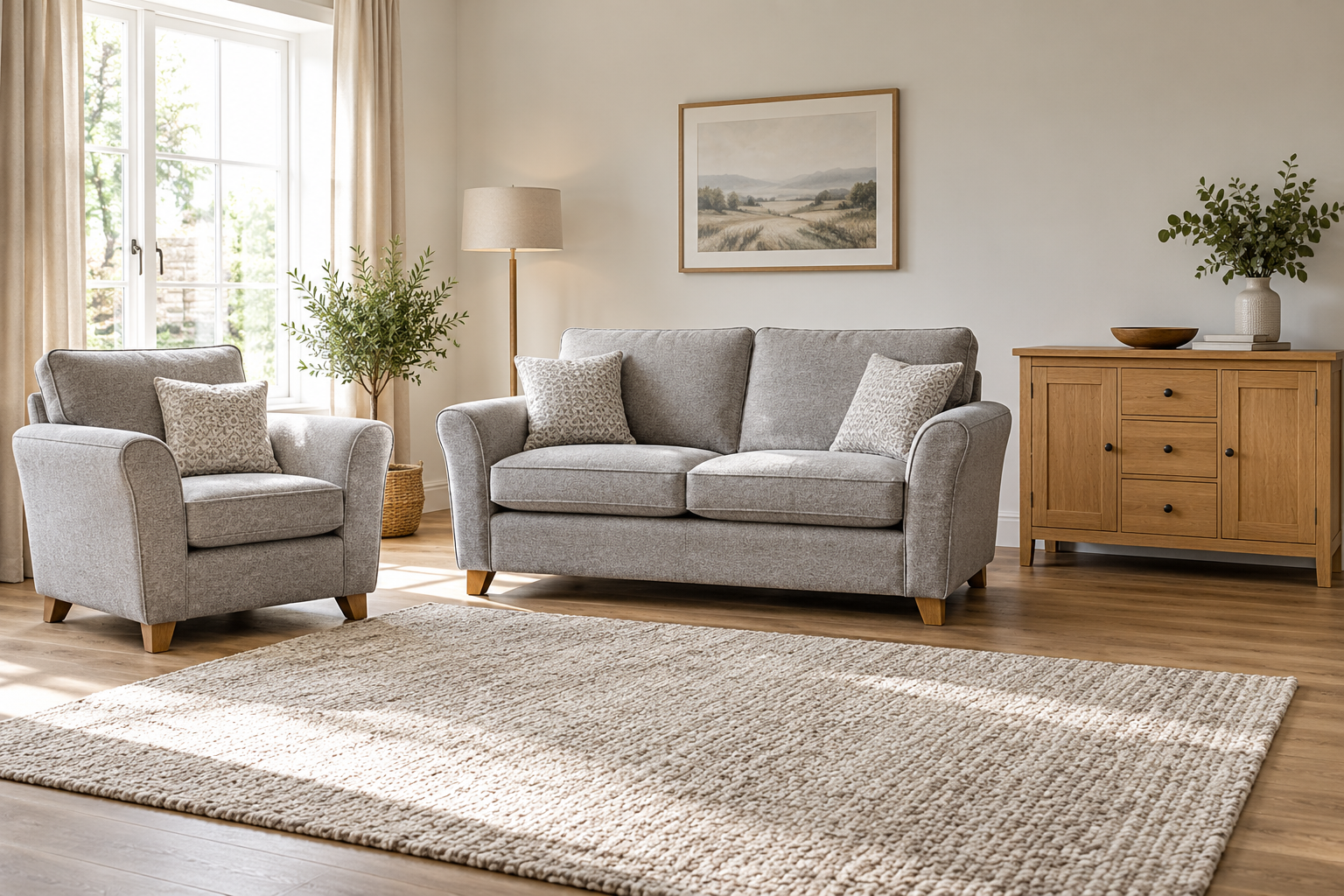
List cabinets, chairs and sofas as named pieces alongside the bags.
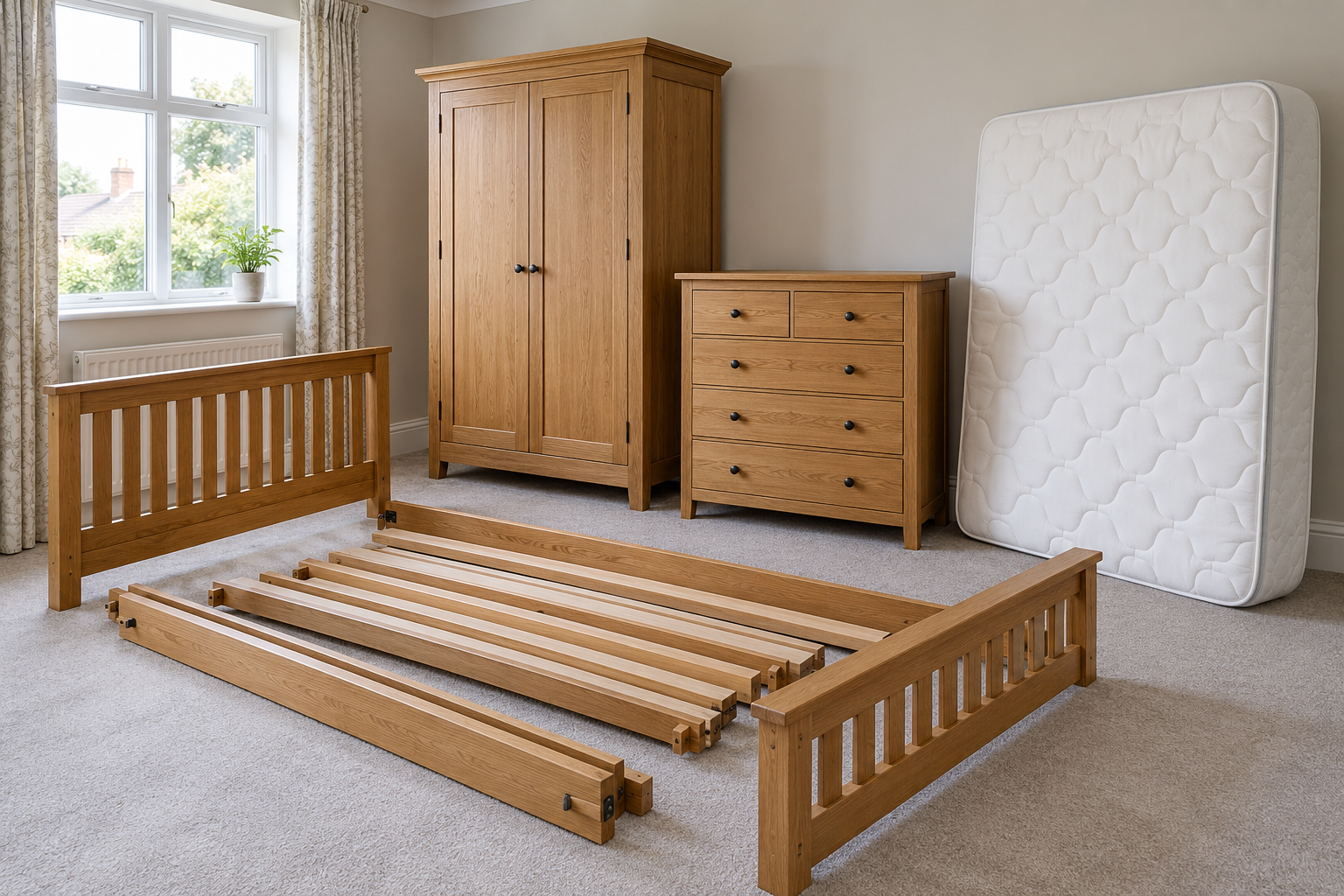
Include unwanted storage furniture and any separate bed components.
Look behind the visible pile, in nearby cupboards and in any separate storage area included in the job. A front-facing photograph can miss another row of bags. Count the whole collection and identify anything staying. This helps avoid a booking which describes only the easiest part to see.
Ten bags of packaging are a different load from ten bags of books or wet carpet. Say what the rubbish consists of and flag dense material. Do not use ordinary household bags as a way to disguise rubble, soil or uncertain contents. If you cannot identify something safely, explain the uncertainty.
Add a sofa, fridge or cabinet by name, even when it sits next to the rubbish bags. Give quantities, approximate dimensions and the location of large pieces. Items needing particular handling should not be left as unlisted extras; their inclusion can affect the collection arrangement and appropriate waste route.
Use sound bags and manageable loads. Flag sharp, leaking or damaged contents and keep unidentified chemicals or liquids separate. Do not overfill sacks simply to reduce the number shown in the request. Tell Scrappa if material is loose or bags are splitting so the handling required can be discussed.
Say if the rubbish is divided between a front room, rear yard and garage. Describe steps, side gates, shared passages and carrying distance. A short walk shown on a map does not explain the route through the property. For a flat, include the floor and whether any lift is suitable and available.
Arrange keys and permission for a managed entrance or shared gate before the visit. Leave waste within the property and avoid blocking public paths or emergency exits. If a neighbour or caretaker controls part of the route, confirm their availability when selecting the appointment rather than leaving access uncertain.
If the clear-out continues after booking, contact Scrappa when the rubbish changes materially. Another bulky item or a large amount of dense waste may need a revised assessment. Make sure the person meeting the team knows what is included, and keep the completed collection paperwork with your booking details.
The collection address comes first. The full price follows your waste, access, details and date choices.
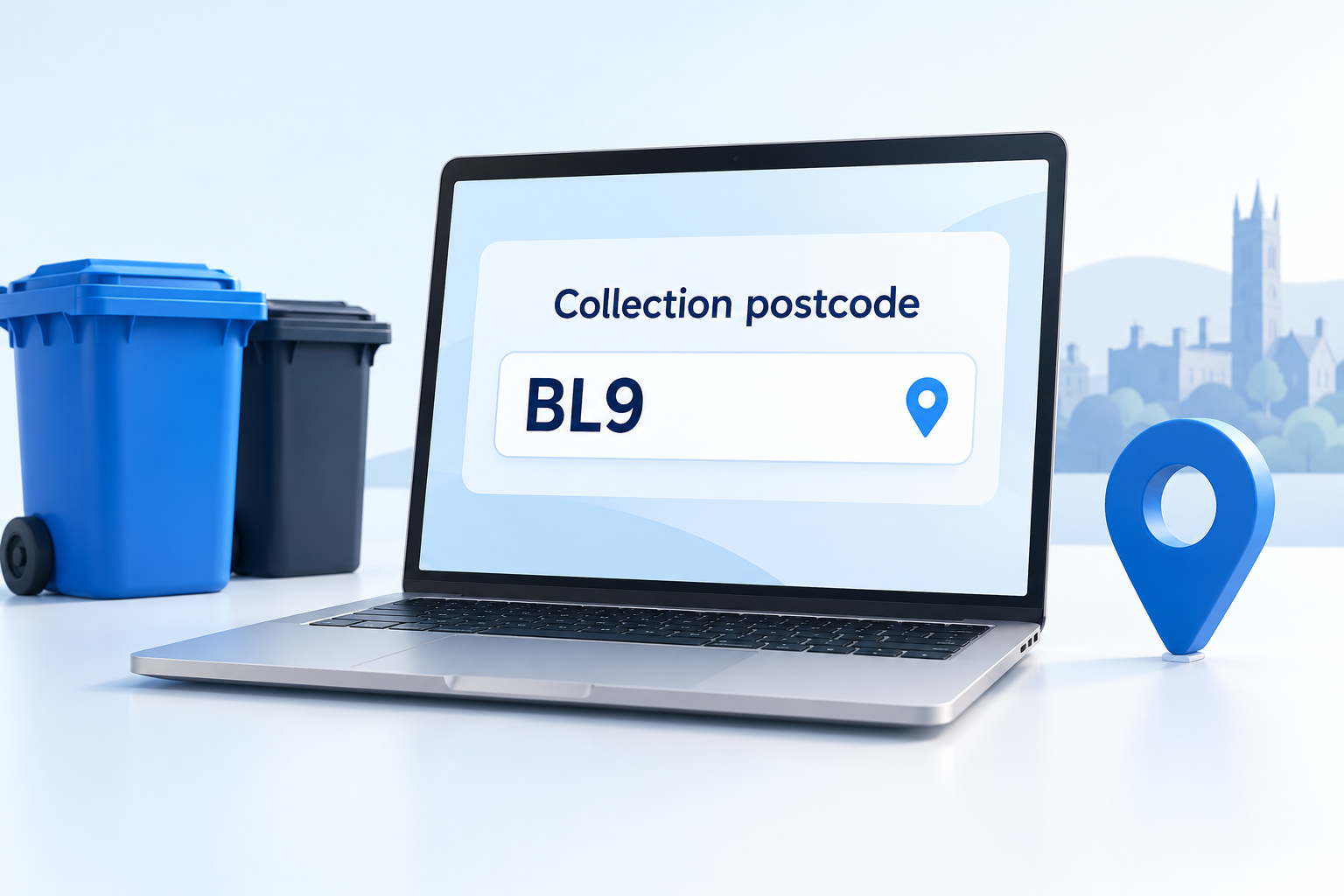
Use the full collection postcode and address. BL9 is the Bury example shown; your own full address is needed to check the job.
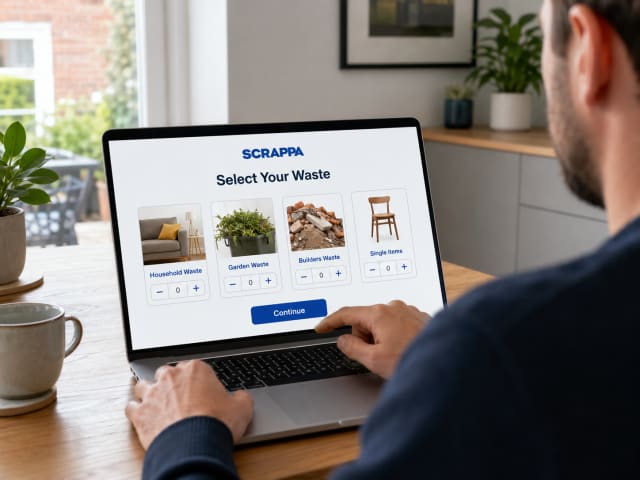
Give the type, quantity and condition of the complete load. Add separate bulky items and materials needing particular handling.

Include floors, stairs, lift access, carrying distance and any requested dismantling or extra loading work.
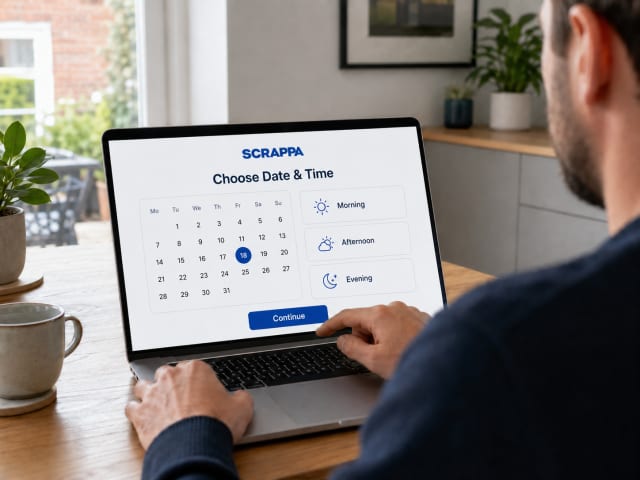
Check the dates and time windows available for the address and job details. Tell us about an important deadline before relying on a slot.
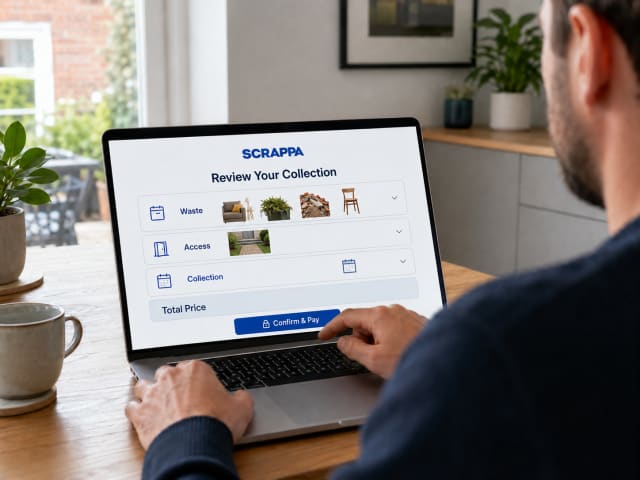
Read the final scope and price breakdown, confirm payment and retain the booking details. Update Scrappa before the visit if anything changes.
The quote accounts for the actual rubbish, amount, carrying work, access, requested extras and collection choices. Volume alone does not explain a mixed pile, especially where wet textiles, books or building materials add weight. Enter the complete job before reviewing the breakdown.
For example, describe twelve bags of light clutter, three boxes of books and a cabinet from the first floor as separate parts of the request. Add the rear-gate route or stair details where relevant. This gives a clearer collection scope than one broad label for household rubbish.
Review the inventory again before collection. Additional waste or different access should be discussed ahead of the visit, with any agreed change kept alongside the booking confirmation.
For addresses around The Rock, Market Place, Moorgate and the wider town centre, identify the actual entrance and a suitable loading point. A shop frontage, shared doorway or rear service entrance can lead to different access arrangements. Check any permissions or restrictions affecting your property rather than assuming a collection booking reserves road space.
Around Walmersley Road and the Clarence Park area, describe side passages, steps and the distance from the property to loading. The full address matters more than the nearest landmark. Explain any gate or building access that somebody else controls.
Use your full postcode when checking collection options. The BL9 illustration is an example, not confirmation that every address in the district has the same availability or price. We plan from the actual collection details and do not promise a daily crew in every street.
Tell us what needs removing and identify anything staying. The collection can then be planned around a defined load.
Stairs, lifts, carrying distance and loading arrangements belong in the booking details, rather than being left until arrival.
Complete the collection details and available date choices, then check the breakdown before confirming and paying.
Keep the booking confirmation and the Waste Transfer Note provided after the completed collection.
Describe the bag count, contents and access. The request should reflect the actual pile rather than a room size.
Name each furniture item separately, with its quantity and location, so the whole collection can be assessed.
Tell us whether boxes hold waste or are empty packaging. Container counts alone can give a misleading estimate.
Explain gate access, steps, shared passages and carrying distance before confirming the collection.
Keep it within your property and avoid obstructing public or shared routes. Agree any unusual loading position beforehand.
Declare the material and approximate amount separately from light household rubbish so handling and weight can be considered.
Contact Scrappa before the visit so capacity, work and any price change can be reviewed.
A Waste Transfer Note is provided after completion. Retain it with the invoice and booking confirmation.
A loaded collection can be useful when the rubbish is ready and you need the agreed carrying and removal work arranged. A skip can suit waste produced over several days, subject to the material restrictions, space and loading arrangements. Compare the full task.
For eligible bulky household items, Bury Council has its own collection option and conditions. Check the current requirements directly. Bags of loose clutter and mixed rubbish may need a different service from a simple bulky-item appointment.
Start with the Bury collection address and include the complete inventory, access and requested work. Review available options and the final breakdown before confirming. If any part of the job is uncertain, contact Scrappa first so it can be discussed before the visit.
Start your collection quoteScrappa™ — Smart Waste Made Simple.