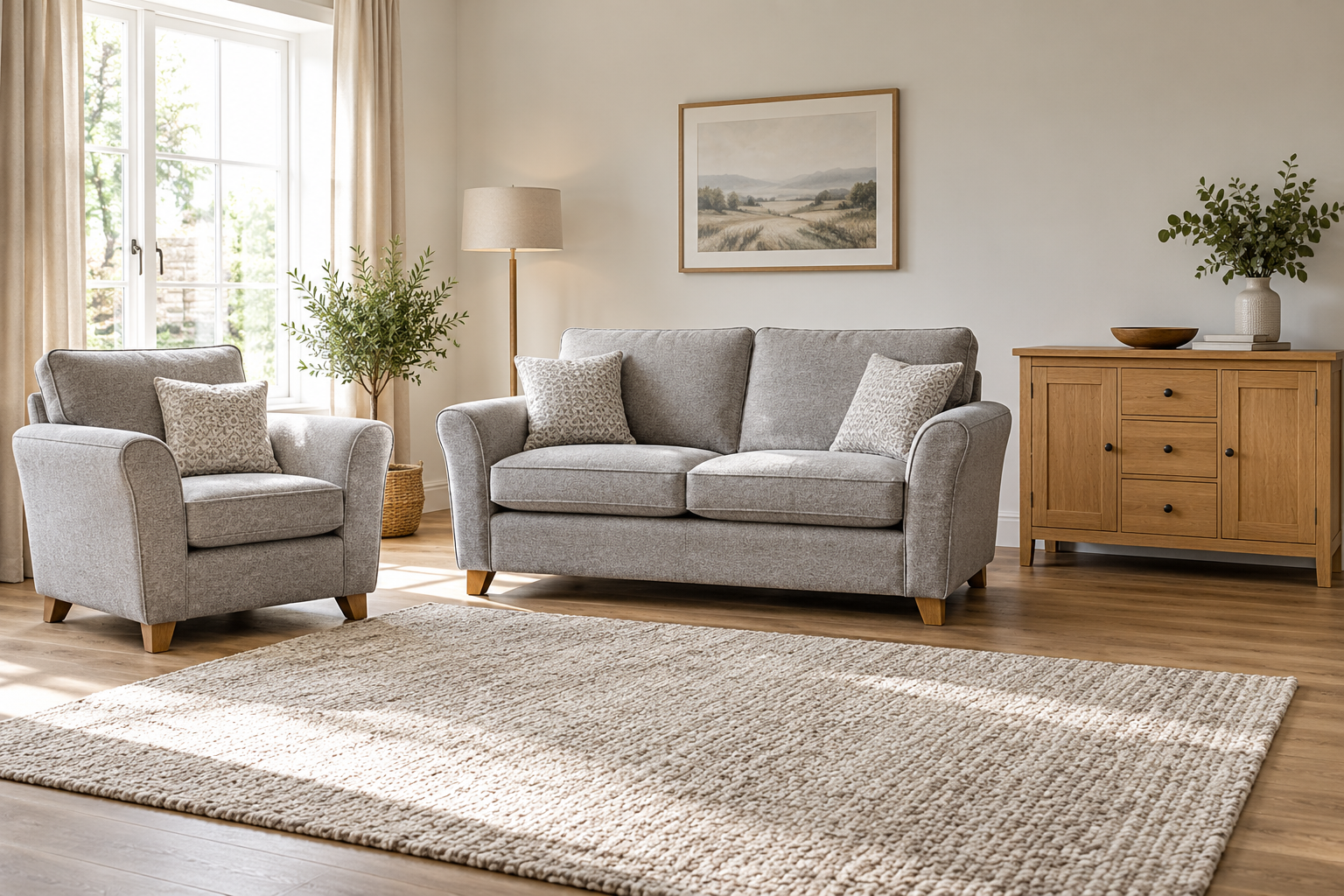
Sofas and upholstered seating
Identify standard sofas, corner units, recliners and sofa beds. Mechanisms and separate sections matter when planning the removal.
SCRAPPA™ WASTE MANAGEMENT · CLITHEROE
A worn-out sofa, an oversized wardrobe or several large household items can be difficult to shift without the right plan. Scrappa helps you arrange bulky waste collection in Clitheroe around the size of each item and the route it needs to travel.
Tell us the type and quantity of items, then explain stairs, doorways and parking. You can review the collection quote before booking an available slot.
Start your collection quoteIdentify standard sofas, corner units, recliners and sofa beds. Mechanisms and separate sections matter when planning the removal.
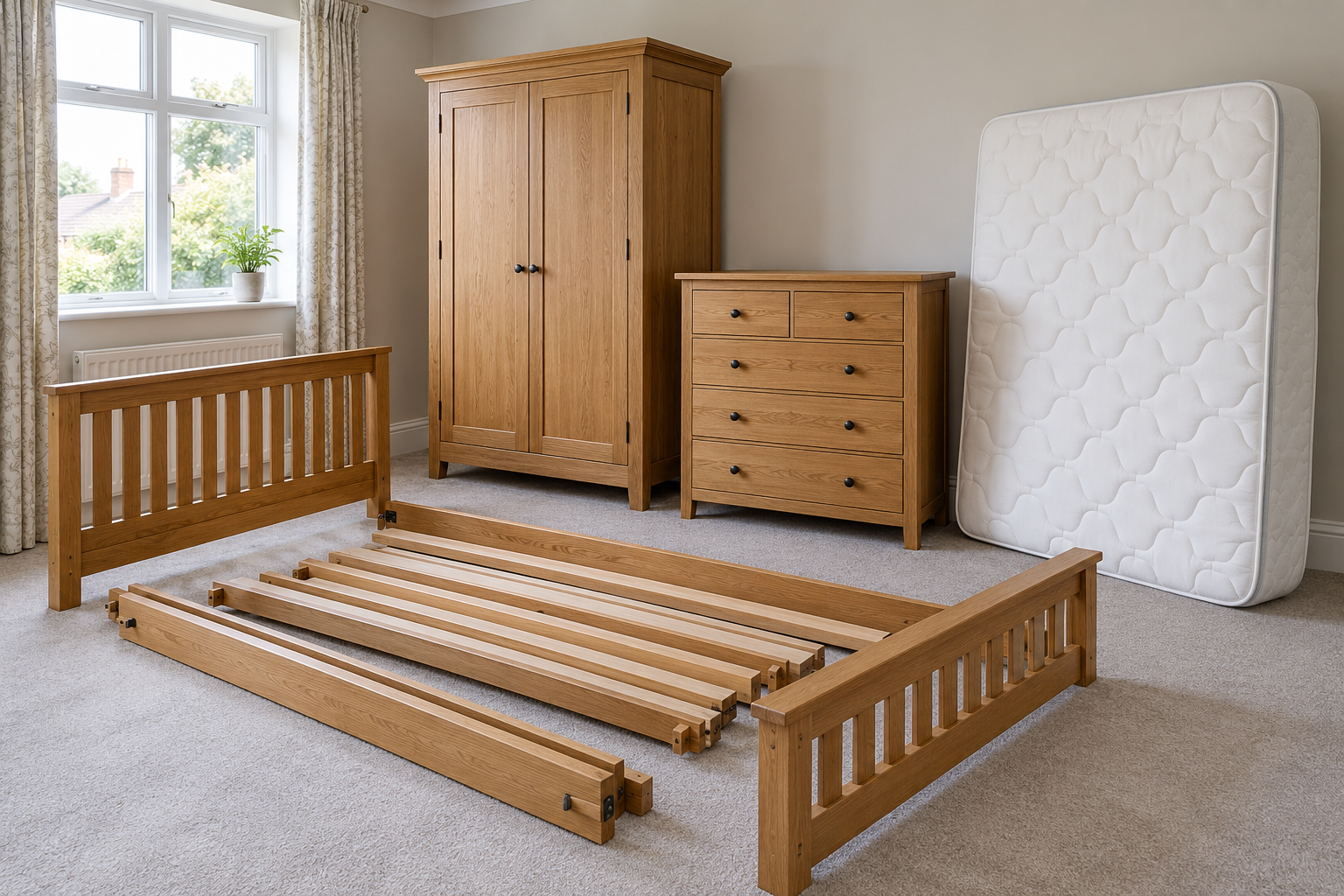
List mattresses, bed frames, wardrobes and drawers separately. Include assembled dimensions and whether furniture needs taking apart.
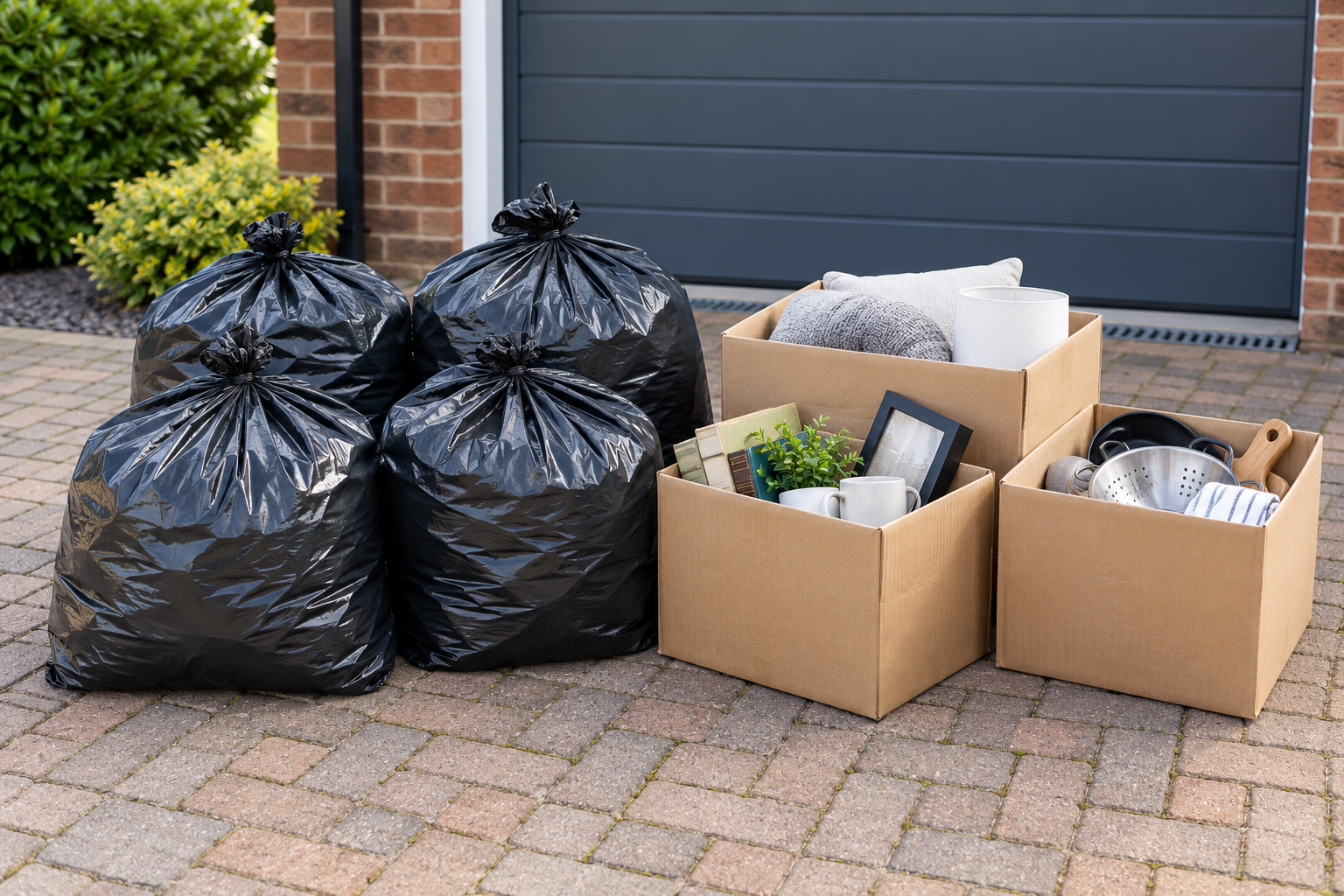
Include every bag or box that should leave with the larger pieces. Loose extras still use space and loading time.
A two-seat sofa is not the same job as a heavy reclining sofa bed. Give the type, quantity and approximate dimensions of each large item. Include photographs if a mechanism or unusual shape is difficult to explain. This helps the collection reflect the actual item rather than a generic furniture label.
Check the narrowest doorway, stair turn and garden gate along the route. Think about the space available to turn or tilt a piece safely. Tell us if it entered through a window or was assembled inside; a collection booking should not assume it will fit through a smaller door.
Explain whether the unit separates into sections and whether you need help taking it apart. Removing doors from a wardrobe, unbolting a bed and dismantling fitted furniture involve different work. Agree the scope in advance. Do not break upholstery or damage an item simply to make the load appear smaller.
A large lightweight cabinet may occupy space, while a smaller solid timber unit can be particularly heavy. Mention stone tops, mirrors, metal frames and motorised parts. Rubble and soil are not ordinary bulky household items; describe dense materials separately so the correct load and handling can be assessed.
If one item is in the lounge, another upstairs and a third in an outbuilding, say so. Give the floor and route for each. A single pile beside a suitable loading point differs from several items spread through a property. Keep the walkways clear and tell us about shared entrances.
List fridges and other appliances by their actual type if they form part of the load. Explain integrated units or remaining connections. Arrange the necessary disconnection before collection, with qualified help where needed. Large-item removal does not automatically include plumbing, gas or fixed electrical work.
Check the list before paying and update us if an item is sold, donated or added. More items or changed access can affect the collection scope and price. Keep retained belongings clearly marked and have an authorised person available to identify the agreed items on the day.
Start with the full postcode and collection address, not just the BB7 prefix.
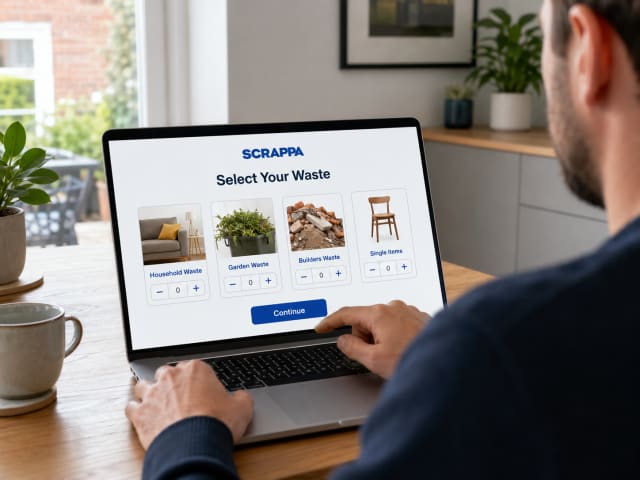
Add the type and quantity, with smaller extras and any special features included.

Describe floors, doors, carrying distance and any dismantling or extra loading work.
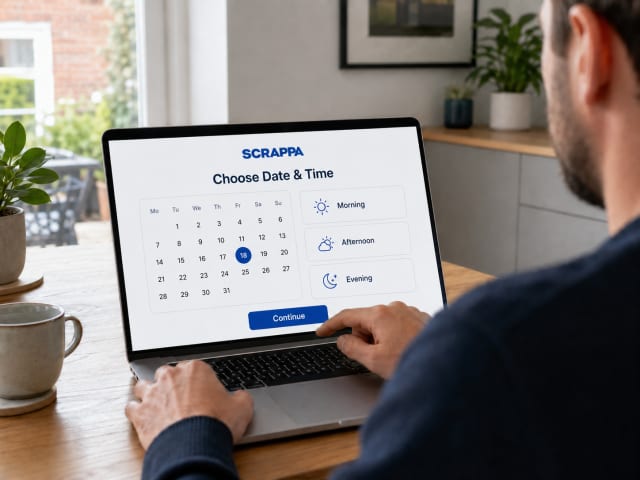
Pick an available date and time window for the address. Urgent slots depend on capacity.
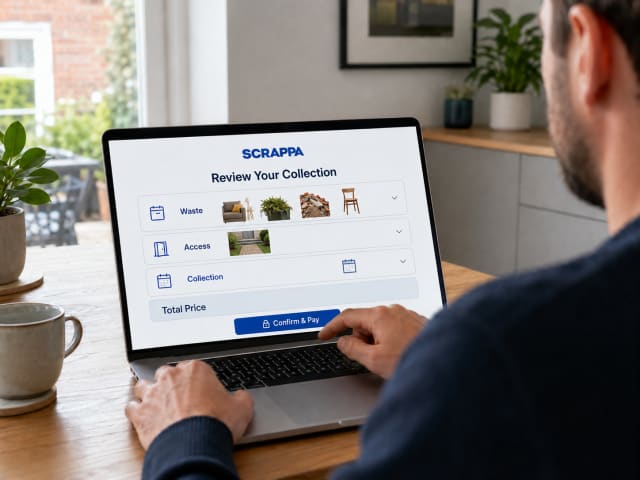
Check the scope and price before payment, then retain your confirmation.
For central properties around Castle Street, Church Street, Wellgate and Lowergate, explain the route from the room to a safe loading point. A shared passage or archway may be more relevant than the building’s front entrance.
Include the full BB7 postcode and describe any gate, stairs or longer driveway at your property. A nearby landmark such as Castle Hill helps with general context but does not establish parking permission, turning space or a reserved collection slot.
A loaded collection can be useful when you need the agreed carrying work and want the items removed in a booked visit. Check the council’s current bulky household collection options as another possibility, including which items they accept and where they require them to be placed.
A skip can suit a wider project, but check its restrictions on mattresses, upholstered seating, appliances and other specialist items before hiring. Compare the whole job, including loading, positioning and accepted materials.
Large-item collections depend on the shape, construction and route as well as the number of pieces. Give the dimensions of awkward furniture and name separate bed components, appliances and seating. A heavy stone-topped table and an empty lightweight cabinet should not be described as equivalent just because each is one item.
Check the whole route out before booking. A doorway may be wide enough while the turn at the top of the stairs is too tight. Tell us about lifts, steps, low ceilings, locked gates and long carrying distances. If the building requires a loading appointment, arrange permission with the responsible person and provide the actual permitted window. A collection booking does not reserve a parking bay.
Empty cupboards and appliances before the visit. Arrange suitable disconnection for connected equipment and request dismantling where necessary. Do not cut upholstery, damage mechanisms or move an unstable heavy item yourself simply to place it outside. Describe the preparation still needed so the collection can be assessed realistically.
The price reflects the declared items, materials, handling, access, extras and collection choices. Review the breakdown at the end of the booking details, then check that the agreed inventory still matches the load before the visit. If additional furniture is added or the loading route changes, contact Scrappa in advance. Keep the booking confirmation and completed Waste Transfer Note with your records.
Yes, describe the individual item and access when requesting your quote. A single large piece still needs enough detail to plan safe removal.
No. State whether it is standard, corner, reclining or a sofa bed, and include the number of sections.
Give the floor, stairs or lift and the exit dimensions. Collection depends on suitable access and the agreed work.
No. Explain any dismantling required and agree it before collection. Do not assume it is included or start unsafe work yourself.
Include it explicitly in the booking with its size and quantity. It should not be left as an undeclared extra.
Donation is not guaranteed. Arrange a separate donation beforehand if that is your preferred outcome.
Have the item list and access details ready, then start your quote and choose a confirmed collection option.
Start your collection quoteNearby services: Bulky Waste Collection in Blackburn and Bulky Waste Collection in Burnley.