Choose the scope
One room, selected furniture or a larger property clearance: describe the actual work required.
SCRAPPA™ WASTE MANAGEMENT · CLITHEROE
Not every house clearance means emptying an entire property. You might be downsizing, preparing a rental for its next tenant or sorting a home with family. Scrappa helps you plan the collection around the rooms, belongings and access involved, with the quote reviewed before you book.
Start with what needs to go and what needs to stay. A clear inventory makes a difficult job more manageable and gives everyone the same instructions on collection day.
Start your collection quoteOne room, selected furniture or a larger property clearance: describe the actual work required.
Set aside documents, valuables and personal items before the agreed contents are removed.
Stairs, shared passages and assembled furniture belong in the booking details.
Check the collection information, available slot and price breakdown before paying.
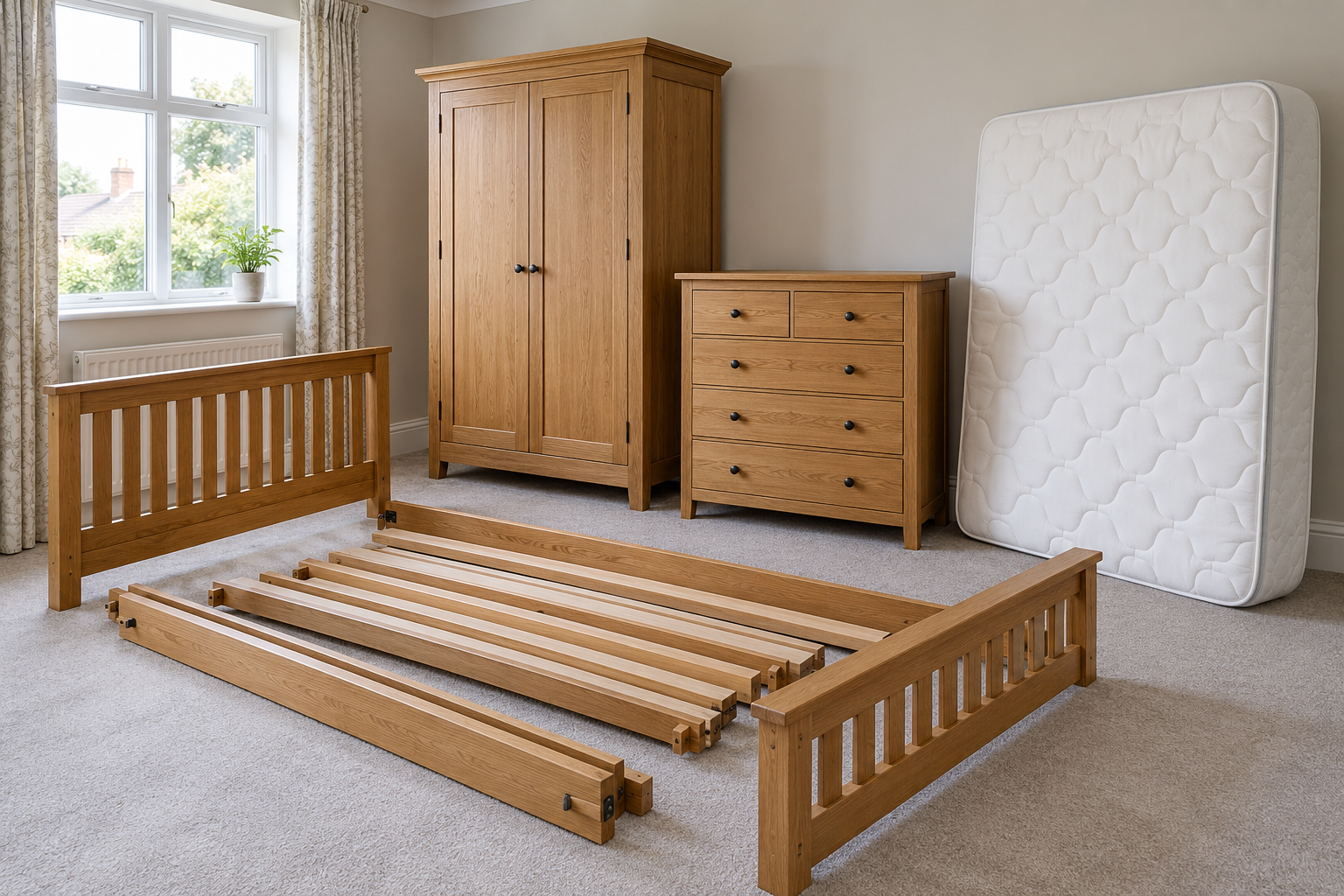
Include bed frames, mattresses, wardrobes and drawers as separate items. Mention mirrored doors, heavy units and upstairs access.
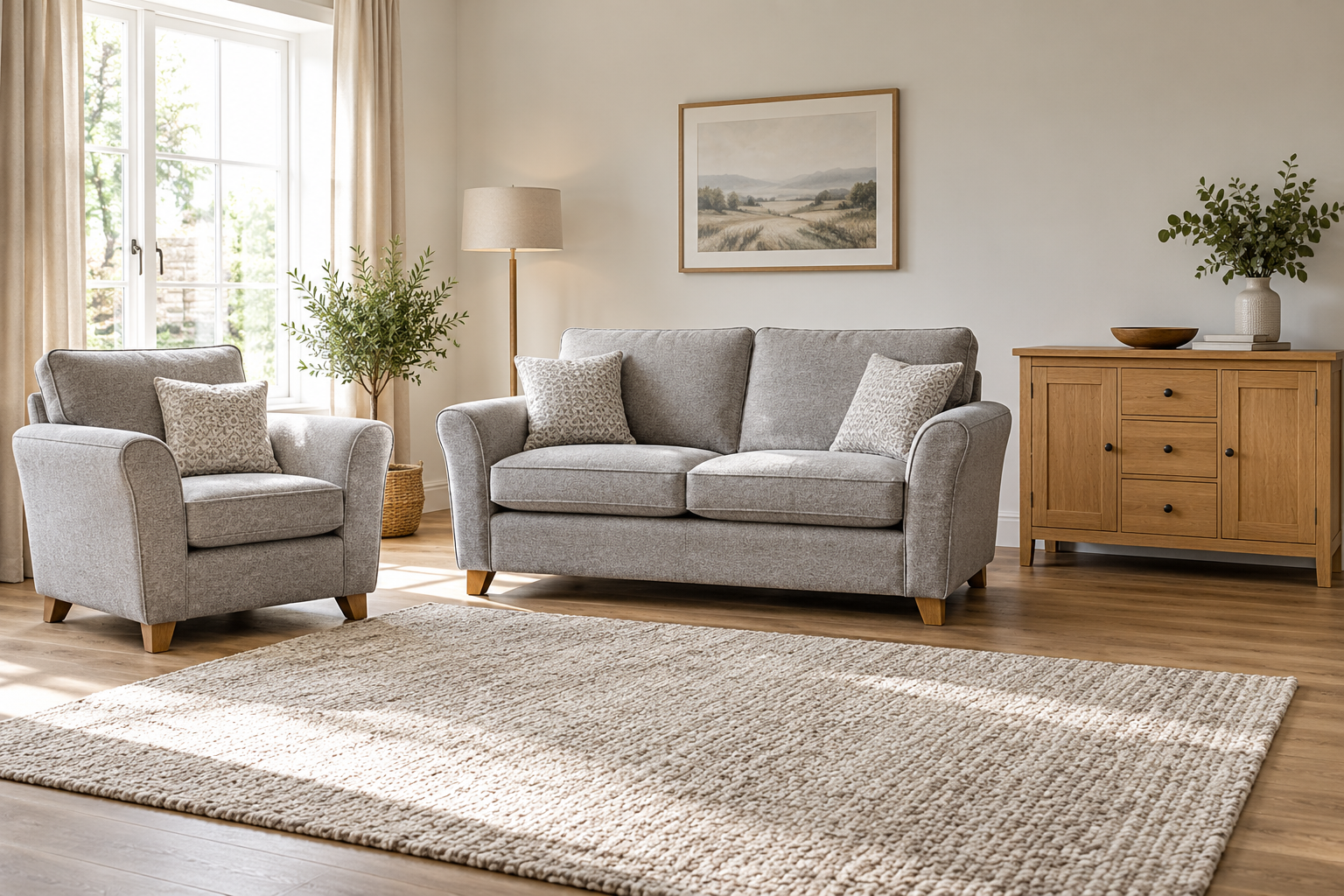
List seating, sideboards and other freestanding furniture. Identify recliners, sofa beds and large pieces that may need extra preparation.

Give a realistic count of boxes and bags and describe what is inside. Keep personal paperwork and items for family apart from the clearance.
A house clearance is easier to plan when the inventory follows the property. Write a short list for each bedroom, the living room, kitchen, hallway and any storage space. Include quantities rather than descriptions such as “some furniture”. Photographs should show each area in full, including the contents behind doors and larger pieces.
You may only need one bedroom emptied, a garage cleared or leftover items removed after moving. Say which rooms are included and which must remain untouched. For a larger clearance, include lofts, sheds and outbuildings explicitly; they are not automatically part of a booking for the main house.
Check drawers, coat pockets, boxes and furniture compartments for documents and sentimental possessions. Remove these before collection day where possible. Clearly label anything staying and keep it separate from the clearance route. The team needs a definite instruction about what can leave, rather than having to guess from its condition.
A wardrobe in an upstairs bedroom needs different planning from a chair in the garage. Mention stair turns, low ceilings, narrow doors and any shared corridor. Measure oversized furniture and describe whether it separates into sections. Tell us about dismantling before booking; fitted cupboards and building fixtures need separate discussion.
If you are acting for a relative, landlord or estate, make sure you have authority to arrange removal of the items. Agree who will meet the collection team, unlock the rooms and answer questions. Avoid leaving the keyholder to identify the clearance from memory; give them the agreed inventory and a clear list of retained items.
Include appliances individually and explain whether they are integrated or freestanding. Collection is different from disconnection. Arrange suitable qualified help for any gas, fixed electrical or plumbing work needed before removal, and discuss the preparation in advance. Do not assume the collection team can safely remove every connected unit on arrival.
If keys must be returned on a particular day, book with enough margin to deal with access or inventory changes. Check all rooms once the agreed items have gone and keep your paperwork. Waste removal does not automatically include deep cleaning, repairs, carpet lifting or a guarantee that the property meets a landlord’s handover standard.
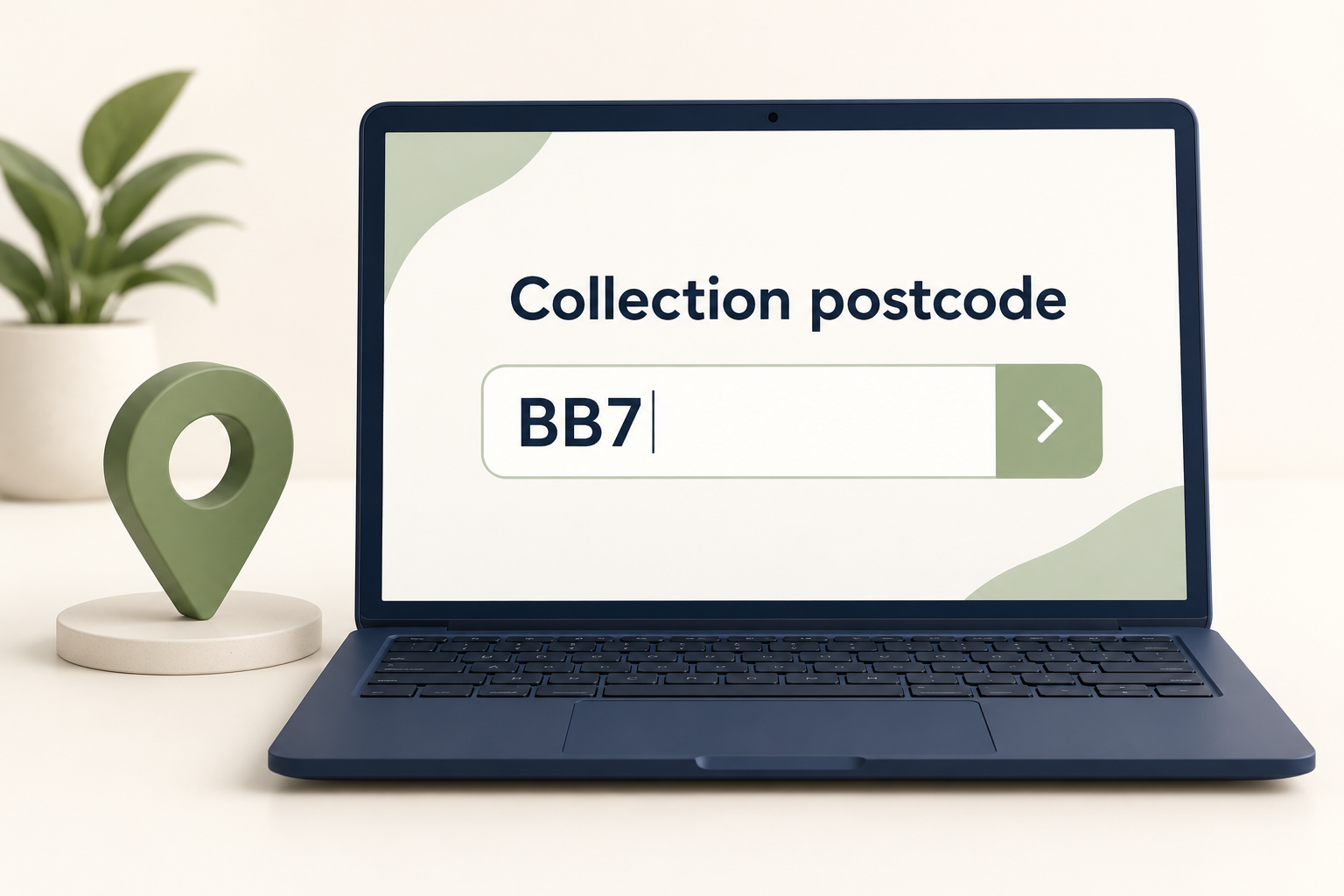
Enter the full Clitheroe collection postcode and address. Add a contact who can answer questions about the property and meet the team if needed.

Select the relevant waste or individual items. Include furniture, boxed contents and separate appliances, with quantities and photographs where helpful.

Explain the floor, stair layout, lifts, parking and carry route. Declare large assembled pieces and any extra work needed to get them out.
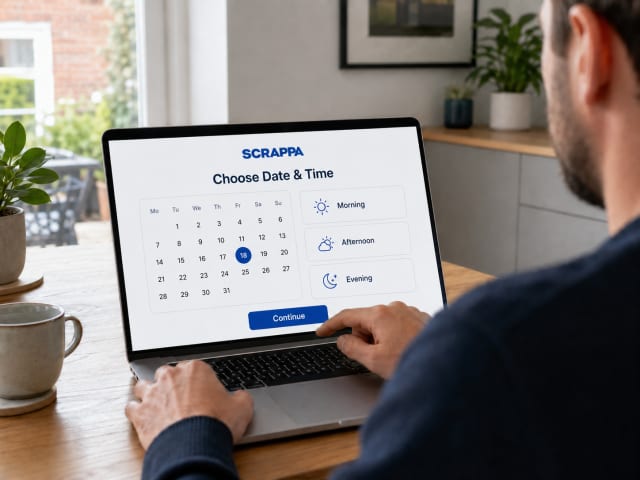
Choose from available collection dates and time windows. Allow time before tenancy, sale or key-return deadlines rather than relying on an unconfirmed slot.
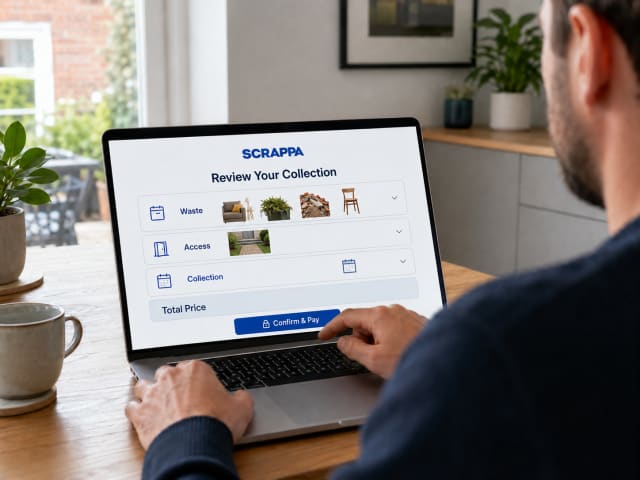
Check the price breakdown and agreed scope before payment. Keep the inventory and confirmation together and report changes before the collection.
For a property near Castle Hill or the older central streets, tell us how furniture will reach the loading point. An entrance on Church Street may not be the route used to remove large items, and a rear passage can introduce a narrow gate or extra carrying distance. Describe your own property’s layout rather than relying on a landmark.
Addresses around Castle Street, Wellgate and Lowergate can involve shared entrances or upper floors. Confirm keys, access permissions and a safe loading arrangement with the relevant person before collection. Enter the full BB7 postcode to check options for the exact address; we do not assume every property has the same access or availability.
A collection can be useful when the unwanted contents are ready and you need the agreed carrying and loading work included. A skip may suit a longer refurbishment with waste accumulating over several days, provided there is somewhere suitable to place it and the intended materials are accepted.
If some furniture is being sold, given to family or collected by a charity, complete those arrangements first. That leaves a definite inventory for the clearance and helps avoid paying for capacity you no longer need. Do not assume every usable item will be donated through a waste collection.
Yes. Give the room and item list for a partial clearance. Tell us what stays so there is a clear boundary between the agreed collection and the rest of the property.
No. Capacity depends on the volume, material weight and items involved. A room count alone cannot establish the load size; provide an inventory and pictures before the scope is confirmed.
Describe the floor, stairs or lift, door sizes and carrying distance. Access must be suitable for the agreed items, and any building arrangements should be made before collection.
Arrange an authorised person who can provide access and confirm the items if you cannot attend. Discuss this beforehand rather than assuming an unattended collection can proceed.
Donation cannot be guaranteed. If you want particular possessions donated, arrange that separately before clearance. The waste route depends on the items and their condition.
The booking covers the collection work agreed. Deep cleaning, repairs, decorating and removal of fixed fittings should not be assumed; explain any additional work you need before booking.
Have your room list, access details and preferred dates ready. Start the online quote, review the collection scope and confirm an available slot when the details are right.
Start your collection quoteAlso arranging another property? See house clearance in Blackburn and house clearance in Burnley.