Cuttings, leaves and grass
Explain whether the material is loose, bagged or in a bin, and whether it has been left wet.
SCRAPPA™ WASTE MANAGEMENT · CLITHEROE
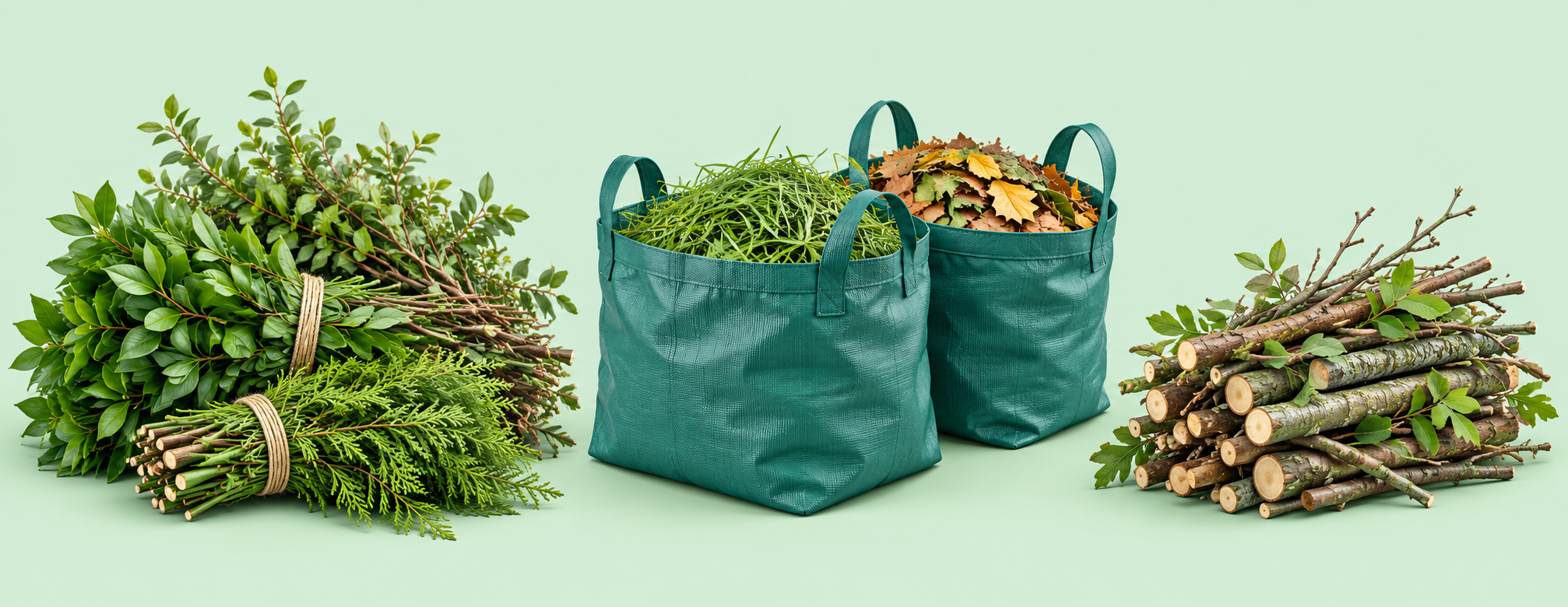
Pruning and clearing can leave more material than your usual garden bin can handle. Scrappa helps arrange garden waste collection in Clitheroe, based on what you have cut back and how the load can be reached.
Describe green cuttings separately from soil, turf, rubble and old outdoor items. The material matters as much as the visible pile when preparing a useful quote.
Start your collection quoteExplain whether the material is loose, bagged or in a bin, and whether it has been left wet.
Give approximate branch lengths and thicknesses. Mention long or awkward pieces rather than describing everything as hedge cuttings.
Declare soil, turf, rubble, pots, fencing or furniture separately. These should not be hidden within a green-waste load.
A garden behind an older central property may only be reached through a shared passage. For addresses around Church Street, Castle Street, Wellgate or Lowergate, explain any gate, archway or steps between the pile and safe loading.
Enter the full BB7 postcode for availability and describe the actual route. A location near Castle Hill does not establish garden access, and a private drive should be described with turning space and any restrictions.
A pile of hedge cuttings is different from a pile containing soil or wet turf. Describe the contents in plain terms and keep separate materials visible. Photographs of the whole pile can help, but the booking still needs to explain what is underneath.
Soil, rubble and turf can be much heavier than leaves and stems. Do not fill green-waste bags with dense material and describe them as clippings. Tell us about heavy materials separately so their quantity and suitable collection category can be considered.
Mention unusually long branches, thick stems or heavy timber. Include approximate dimensions if they may be awkward to move through a gate or fit within the collection. Avoid assuming that all cutting or dismantling work is part of the collection; agree the preparation needed first.
If bagging loose material, use manageable loads and avoid damaged sacks. Say how many bags you have and whether their contents are wet. If the waste remains loose, explain this before booking so any extra handling and loading time can be assessed.
Measure narrow side gates and describe steps, slopes and shared passages. Tell us if the material must pass through the house. An enclosed rear garden without vehicle access needs a different carrying plan from a pile beside a suitable driveway loading point.
Keep broken glass, chemicals, paint, cylinders and other specialist items out of garden sacks. Declare them before the collection and ask about suitable acceptance or a separate route. Do not assume that every object found during a garden clear-out belongs in a green-waste booking.
This is collection of the material described. It does not automatically include tree surgery, gardening, digging out soil, shed demolition or dismantling fencing. If you need any additional work, explain it before booking. Update the load if further pruning creates more material after the quote.
Use your full Clitheroe collection postcode and property address.

Add cuttings and branches, then declare soil, turf or mixed outdoor items separately.

Give gate widths, steps, carrying distance and whether the pile is loose or bagged.

Choose a collection window after the cutting and preparation work is ready.

Check the load, handling work and price breakdown before confirming.
Regular green clippings may suit your council’s current garden waste arrangements where available and eligible. Check accepted materials and quantities. Composting suitable garden material at home can be another option when you have the space.
A booked loaded collection can help with an agreed larger pile or materials outside your usual arrangement. A skip may suit a longer landscaping project, but check dense-material limits and what the provider accepts.
Grass, leaves, hedge cuttings and branches are a different collection from soil, turf, rubble or broken paving. Describe each material and say whether it is loose, bagged or in a container that must stay. A green bin full of turf should not be described as a bin of grass cuttings; the weight and handling are very different.
When estimating a pile, give approximate length, width and height alongside bag counts. Dense wet clippings can weigh more than a larger loose pile of dry branches. Explain large trunks, root balls, long branches and anything tangled with wire or fencing. Do not compress or overload bags simply to reduce the apparent collection size.
Describe the garden exit and loading route. Side gates, steps, steep paths and a long carry through the house can affect the collection. If neighbours control a shared passage, arrange access before the visit. Keep pets and children clear of the working area, and avoid stacking waste against a gate that must open for the team.
Review the quote against the final garden pile, including any landscaping extras. If work is still generating waste, explain that before choosing a date so you do not book a finished-load collection too early. Notify Scrappa if the load becomes wetter, grows substantially or gains soil or building materials. Specialist plants or suspected contaminated materials need separate advice before booking.
Describe their lengths, thickness and quantity so the load and handling can be assessed.
Declare it separately. Dense soil should not be treated as light green cuttings.
Explain whether it is loose or bagged before booking. The handling work must reflect the actual pile.
Describe the bin and its contents, including turf or soil. Confirm the collection scope rather than assuming standard green waste.
Do not assume gardening or tree work is included. This page concerns collection of the agreed waste.
Send updated details before collection; more material can affect capacity, work and price.
Describe the garden materials and the route to them, then check your quote and available collection options.
Start your collection quoteNearby services: Garden Waste Removal in Blackburn and Garden Waste Removal in Burnley.