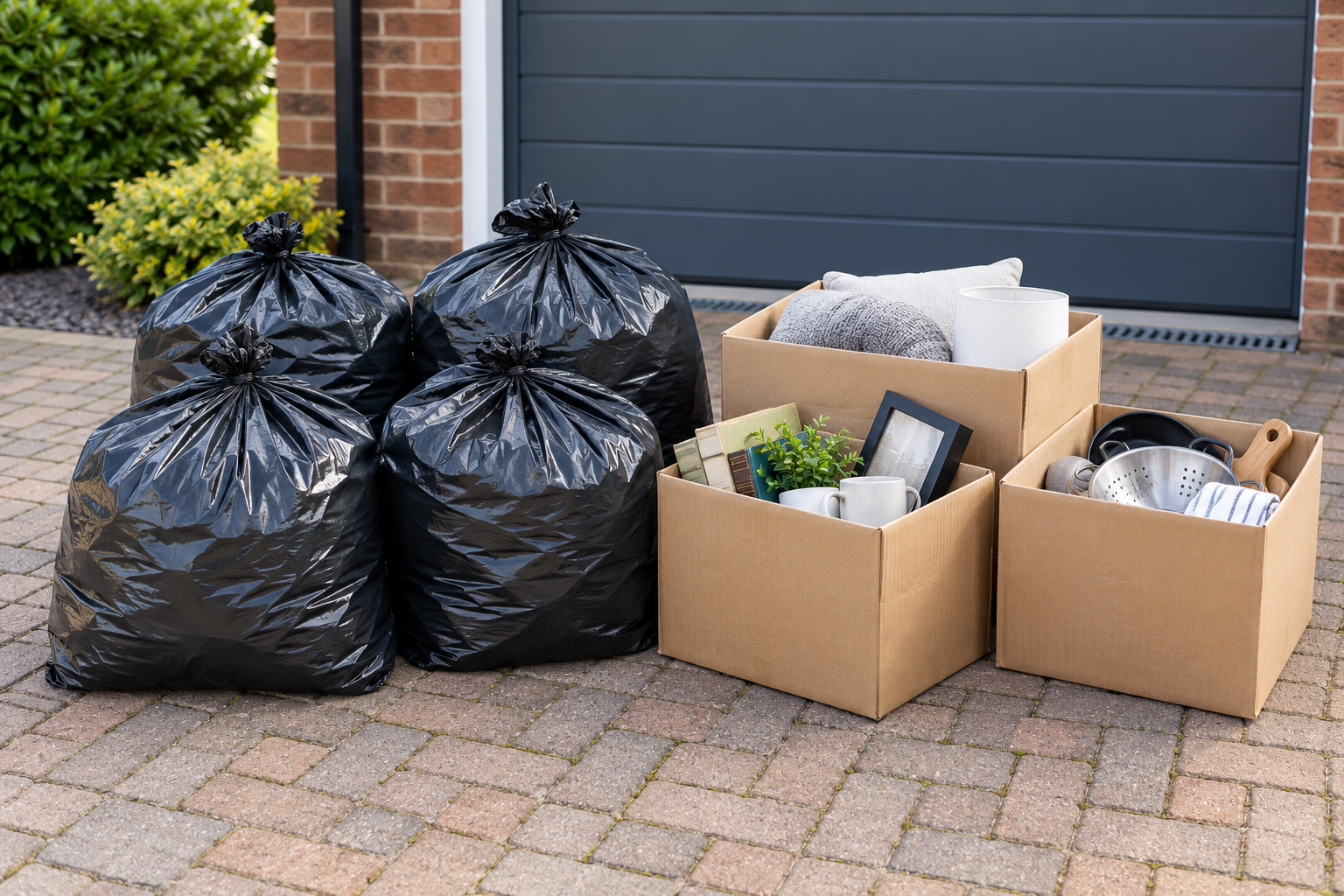
Bagged household rubbish
Count the sacks and explain the contents. Ten sacks of light packaging are a different load from ten sacks of wet carpet offcuts. Mention unusually heavy bags and keep them manageable.
SCRAPPA · SALFORD
Rubbish can build up surprisingly quickly after a clear-out, a tenancy change or a weekend of sorting the spare room. Scrappa helps you arrange a rubbish collection in Salford around the load you actually have. Tell us about the bags, loose items and any bulky extras, explain where they are, and check the full price before confirming. Carrying and loading can be planned from the collection point you describe, so you do not have to assume everything must go at the kerb.
Count the sacks and explain the contents. Ten sacks of light packaging are a different load from ten sacks of wet carpet offcuts. Mention unusually heavy bags and keep them manageable.
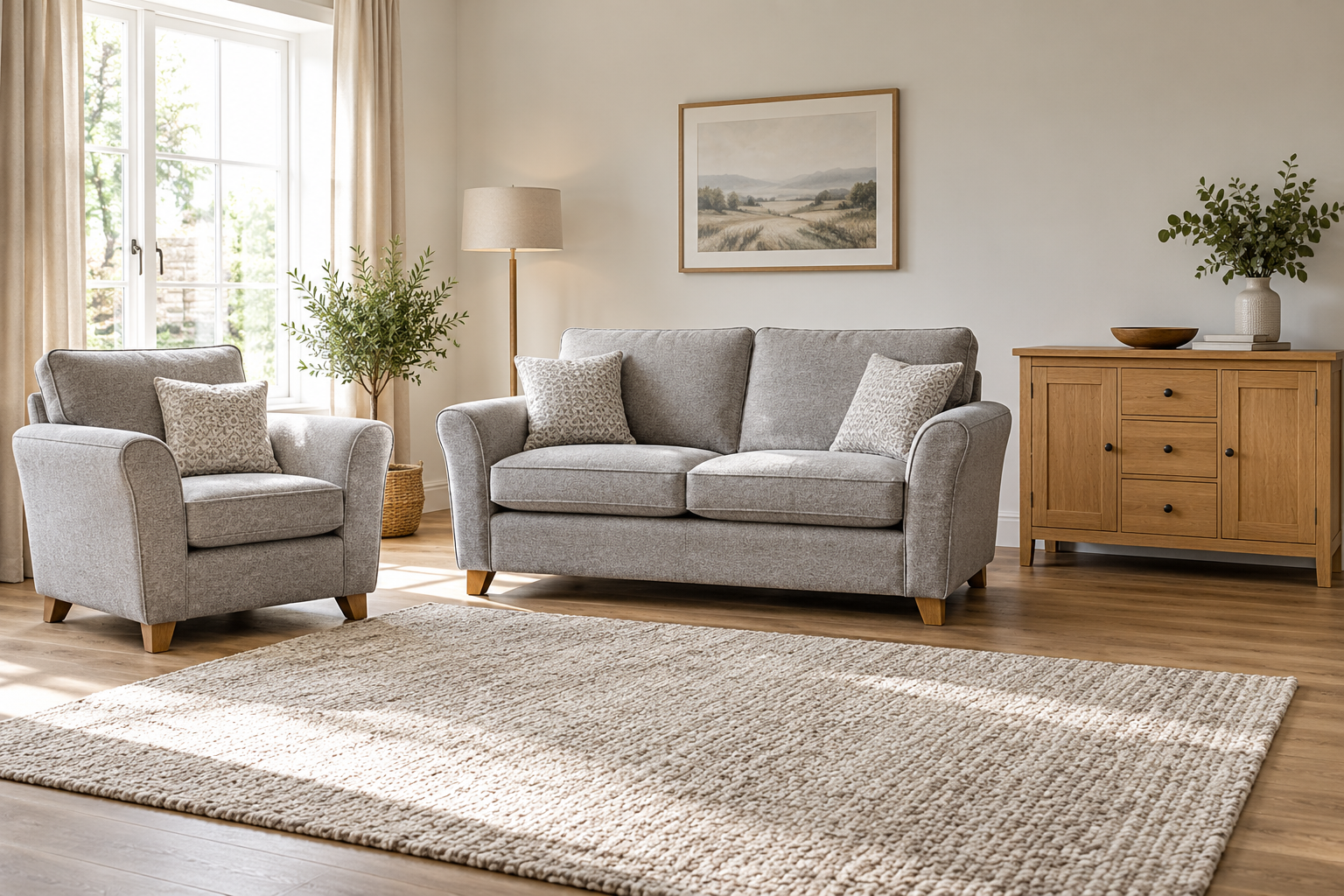
List chairs, tables, shelves and other furniture separately. A bag count does not include a wardrobe standing behind the pile, even if it is part of the same room clearance.
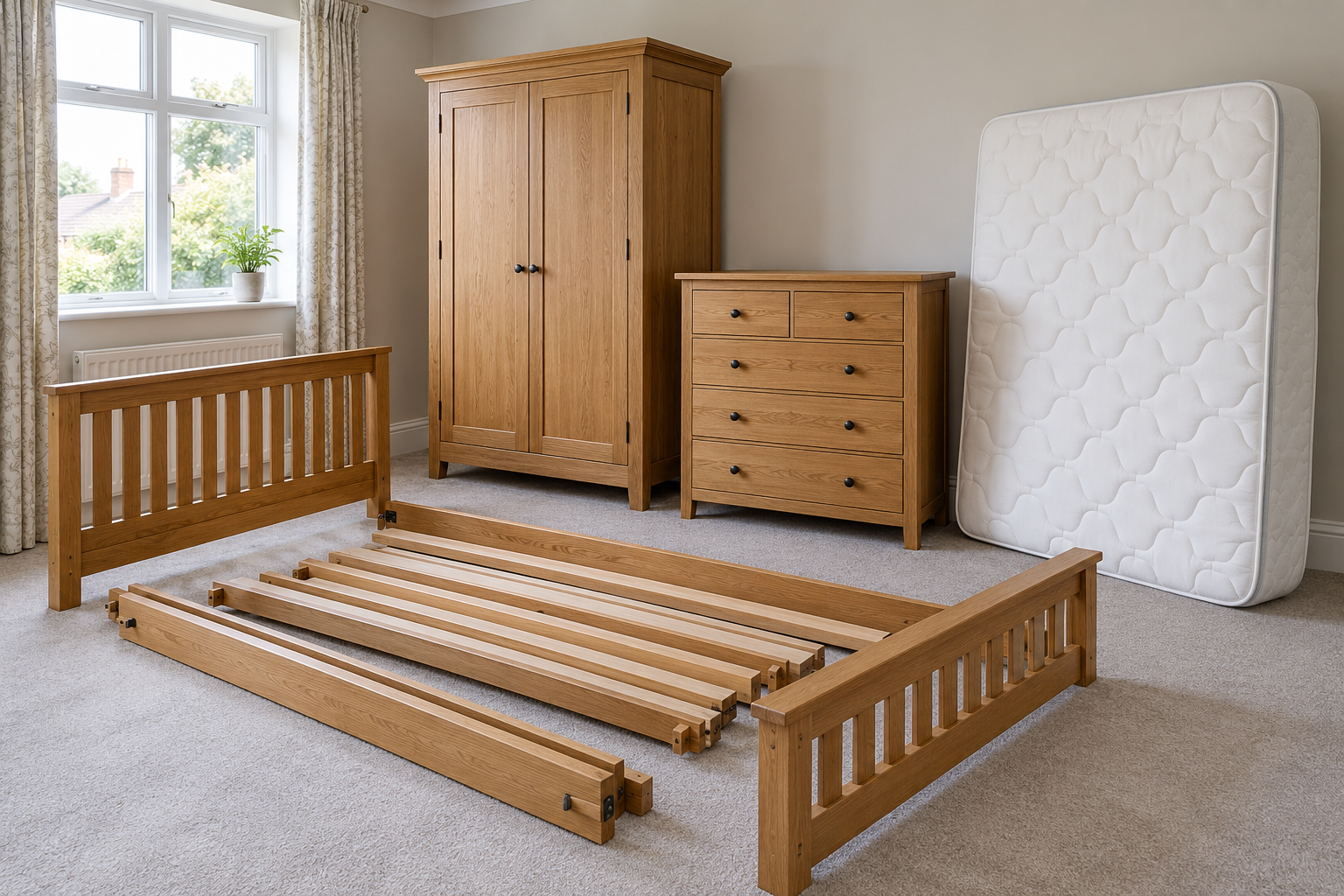
Show the full area rather than only the front row of bags. Mention bed frames, drawers or storage units separately, along with whether they are intact or already dismantled.
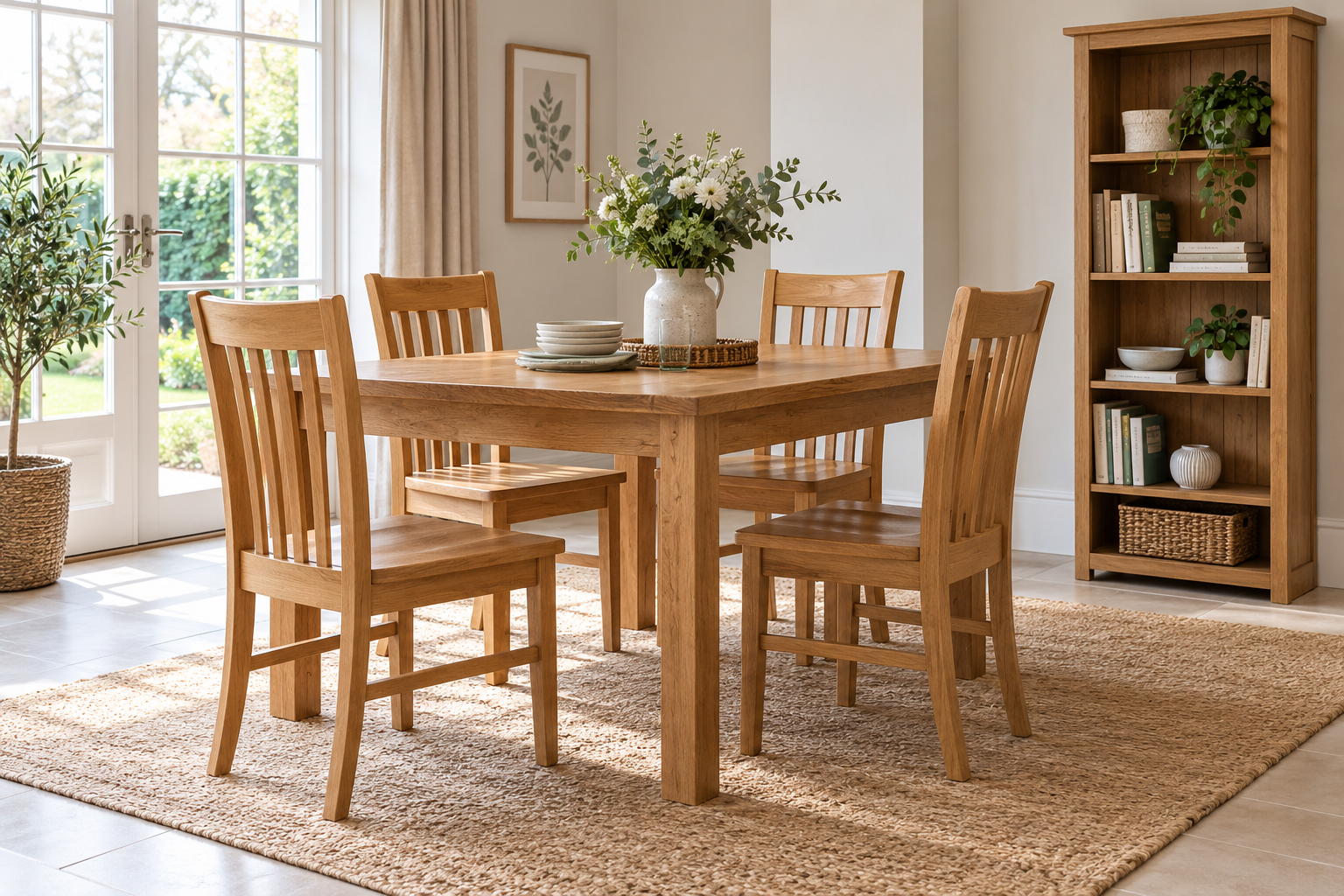
Cardboard, timber and household items should be described clearly. Soil, rubble, plasterboard, electricals and chemical products need separate identification rather than being hidden in mixed sacks.
A wide photograph helps show the overall volume; a second angle reveals items behind the front layer. Add close-ups where contents are unclear. Avoid lifting a heavy sack just to stage a photograph. If the pile is spread between rooms, show each area and say whether there are more items upstairs or outside. A clear description is more useful than trying to estimate everything from one cropped image.
Set aside the items you want removed and leave retained belongings clearly separate. A box of documents or a reusable tool beside the rubbish can easily be mistaken for part of the load. Tell the collection team which area is included. If you discover more rubbish after booking, update the details before the visit so the vehicle space and loading time can be checked.
Broken tiles, soil and rubble can make a small pile much heavier than it looks. Wet textiles and carpet can also add substantial weight. Identify these materials before booking rather than topping up ordinary household bags with them. Keep plasterboard separate and ask before including anything unidentified. Suspected asbestos, sharps, chemicals or pressurised containers should never be treated as ordinary mixed rubbish.
Measure narrow gates if larger items need to pass through them and mention steps between the storage area and the road. Clear the route of shoes, children’s toys and loose cables. A long passage or several flights of stairs can require more loading time than a ground-floor pile beside the entrance. Explain these details accurately so the collection is planned sensibly.
Secure lightweight packaging so it cannot blow away and protect absorbent items from rain where practical. Do not move rubbish onto the pavement to make it look easier to collect. Keep access to neighbouring doors, communal bins and fire exits clear. If sacks have split, explain what has spilled and avoid handling sharp fragments without suitable equipment.
A rubbish collection removes the agreed waste; it is not automatically a deep clean, garden restoration or building repair. If a room has extensive loose debris, describe it rather than assuming it is covered by the bag count. Keep any keys or access permissions ready and allow the team to check the collection scope with you before loading starts.
You can describe bags and bulky extras together while keeping each material visible in the quote. That helps avoid a collection being based on an incomplete bag count or a photograph that misses half the pile.
Tell us the floor, stairs, lift arrangements and distance to the loading point. We can plan the collection around the actual work involved. Safe access matters just as much as the number of items.
Scrappa is a registered waste carrier, registration CBDU613703. Keep your confirmation, invoice and waste transfer documentation after collection so you have a record of who removed your waste.
Start with your address, describe the load and access, then check available appointments and the price breakdown before confirming. Clarify any unusual detail before booking.
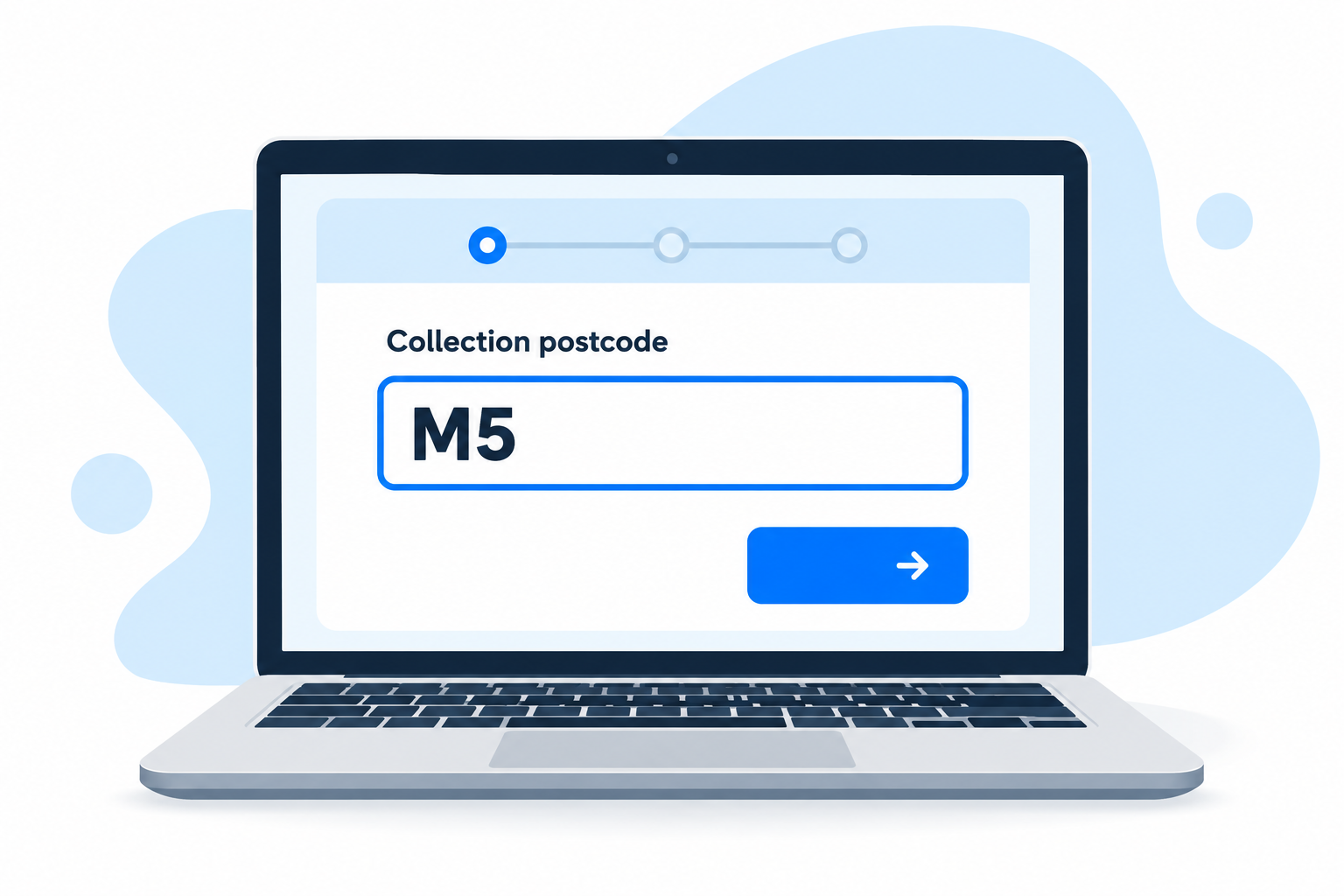
Begin with your full collection address. M5 is a Salford example; enter your own complete postcode so availability can be checked for the actual property.
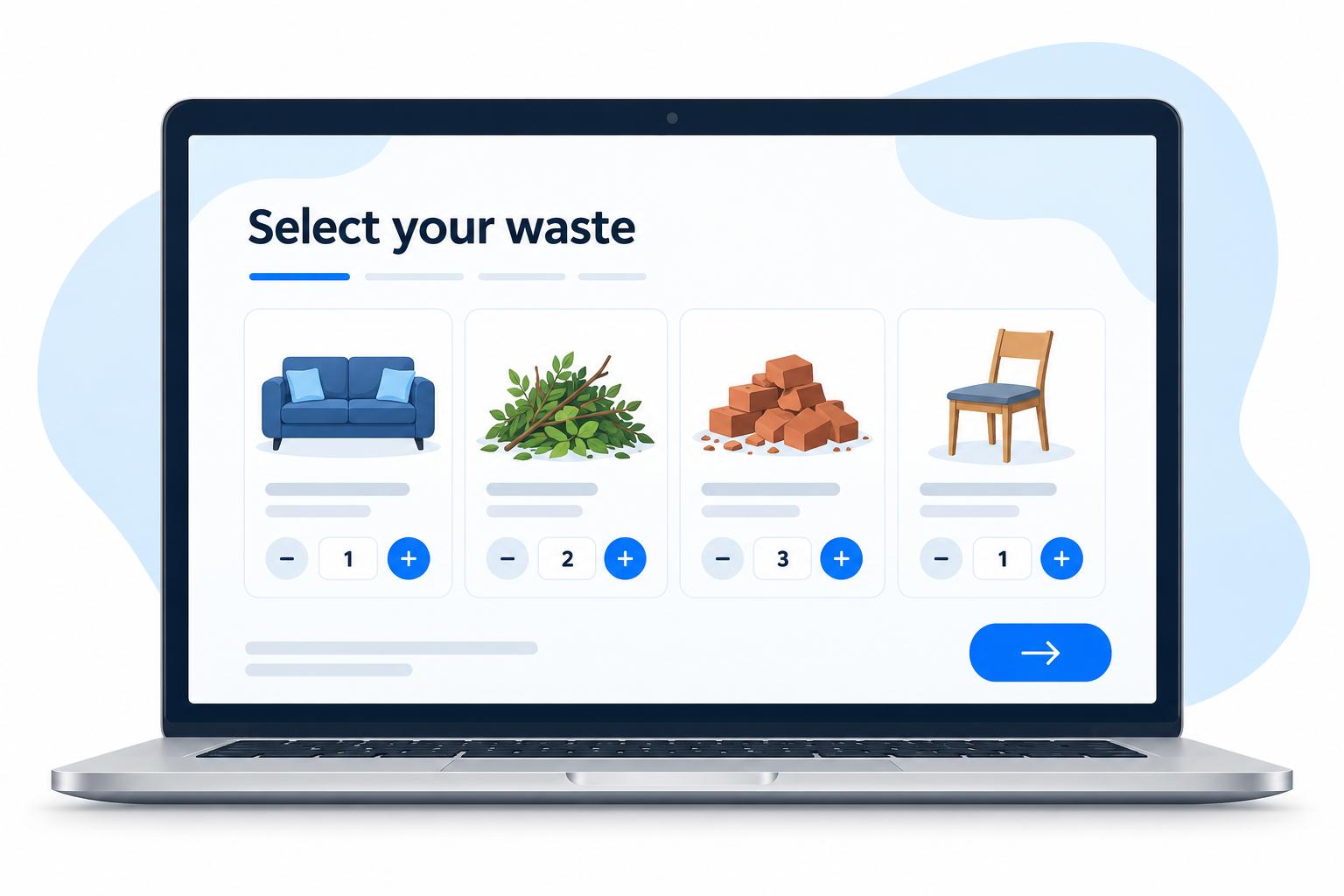
Count bags, list loose items and name any furniture or electrical extras. Explain wet, heavy or uncertain materials separately.
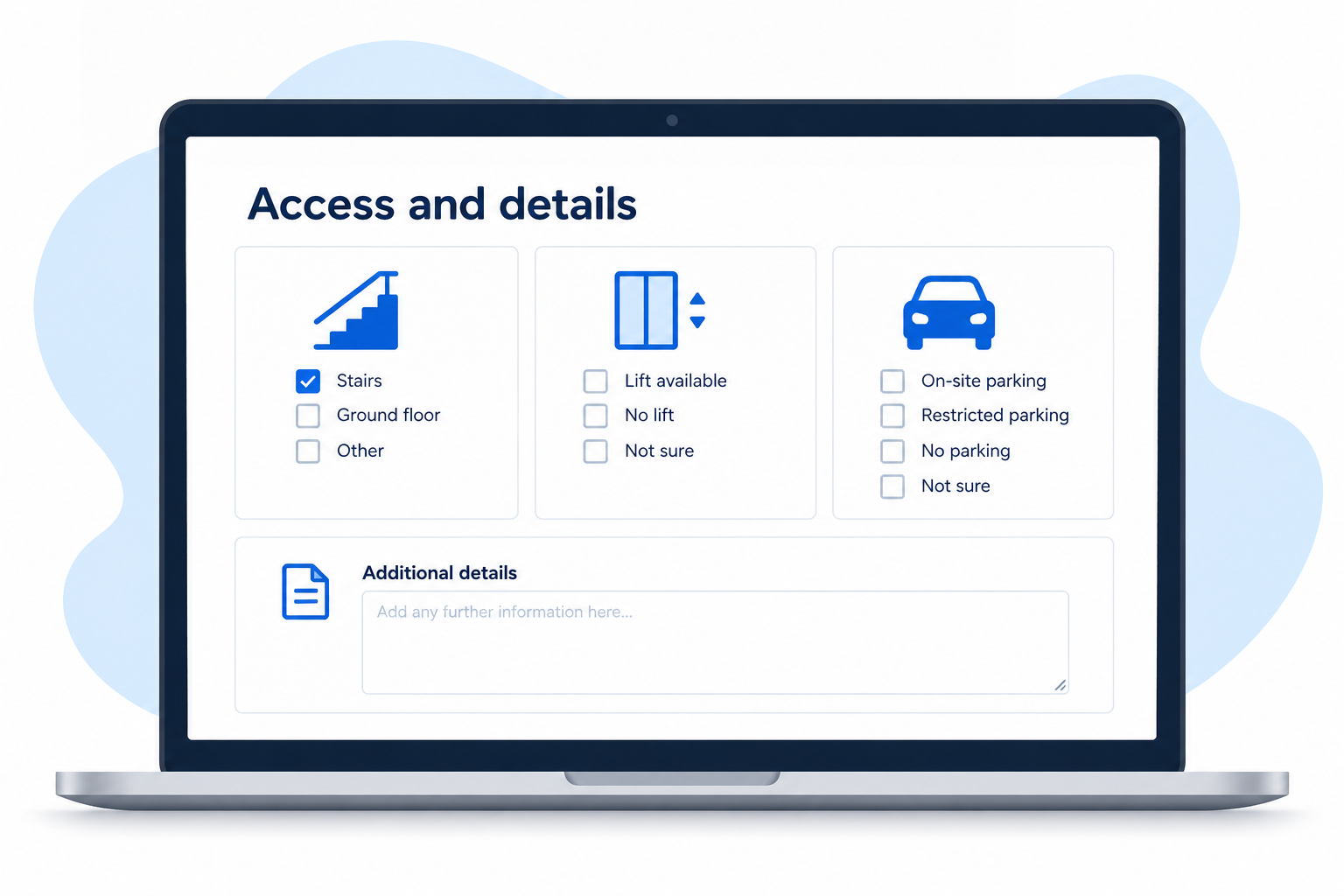
Add stairs, lifts, collection points, parking and preparation requirements. Clear photographs help show bulky items and the route through the property.
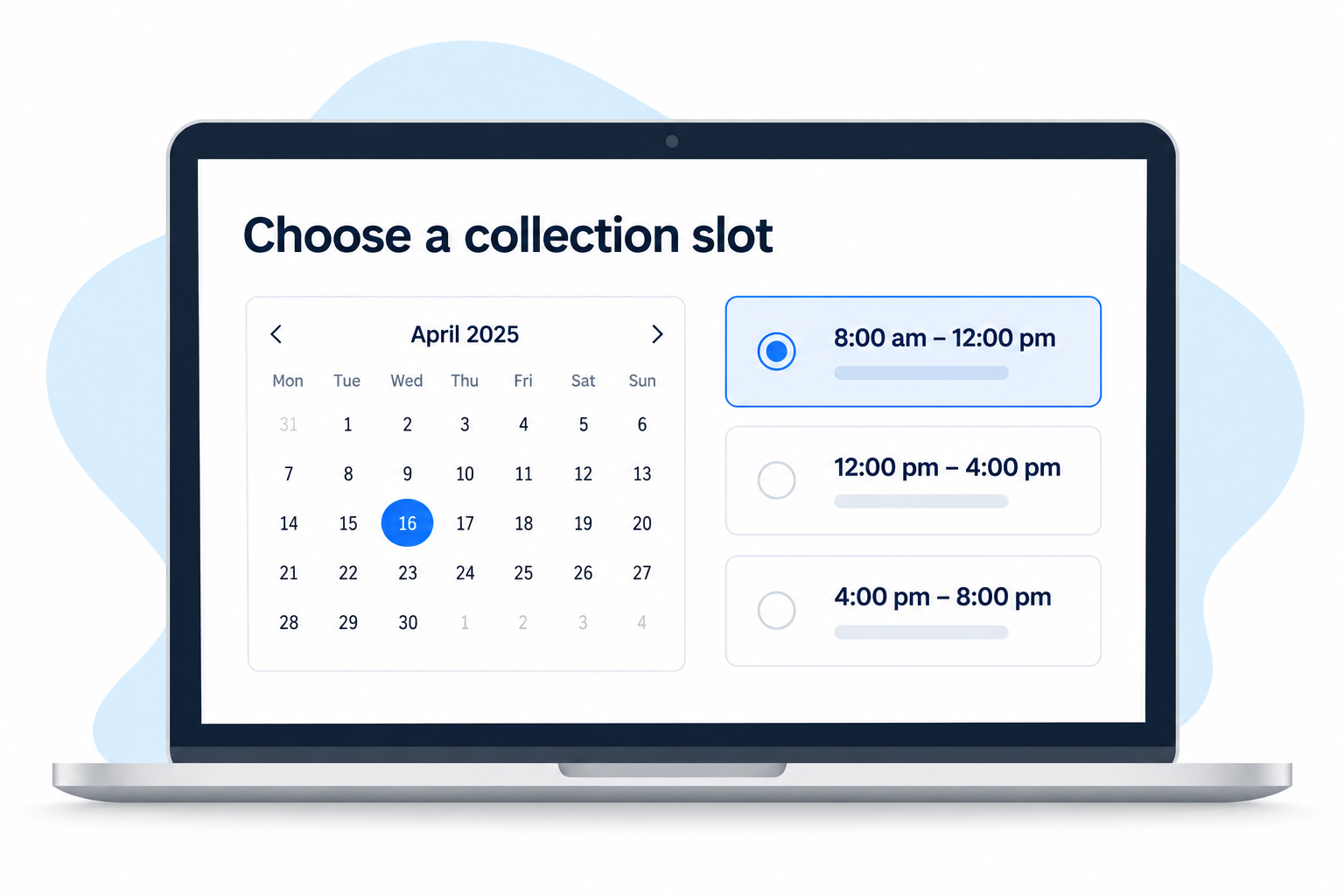
Select from the appointment windows offered for your address. Arrange keys, a site contact and any building access before choosing a date.
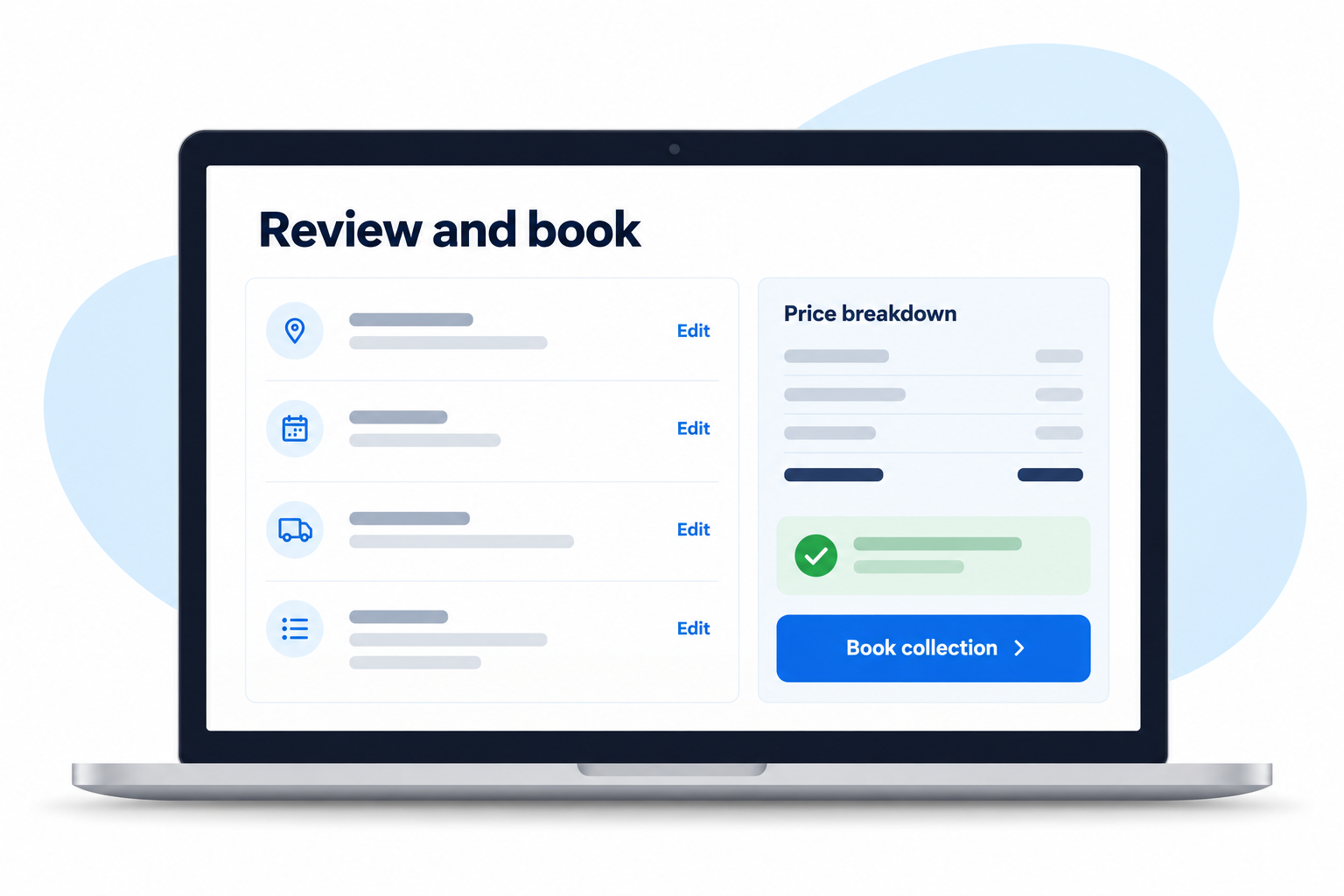
Read the full breakdown after entering the details. Check the listed items and access before paying, then keep the booking confirmation.
Rubbish collections around Salford may involve a terraced house, a flat near the Quays or a property reached from a shared rear passage. The loading arrangements matter more than how close the address is to a main road such as Liverpool Street. Include the full postcode and describe the route from the rubbish to the van.
For apartments, check the building’s delivery arrangements, concierge hours and whether the lift needs reserving. For terraced homes, explain whether items come through the house, a side gate or a rear passage. Keep shared routes clear and do not leave waste on the pavement while waiting.
A nearby road or landmark does not confirm that a van can load outside your entrance. Provide the actual loading point and any restrictions you know about. Tell us promptly if a parking bay, entry code or lift arrangement changes after booking. Availability is checked against the full address.
The quote depends on the kind and quantity of rubbish, its weight, bulky extras, access and the loading work required. A light household clear-out should not be described as builders’ waste, and dense renovation material should not be entered as light mixed rubbish. Review any specialist item or additional labour charges in the breakdown before confirming.
For example, twelve light sacks beside a ground-floor entrance are a different job from twelve wet, heavy sacks carried from an upstairs flat, especially with a chest of drawers added. This is a planning example rather than a fixed price: describe your own load and check its actual quote.
Salford Council provides household bulky-item collections with its own item and presentation conditions. That can be worth checking for a small eligible household load. A skip may suit waste generated gradually over several days where space and any required permissions are available. A booked rubbish collection can suit a defined pile that is ready to load, particularly when carrying from the property is part of the agreed job.
Describe the room, floor and carry route when booking. Internal collection needs to be included in the access details; do not assume an upstairs collection is the same as a driveway load.
No, but describe different contents clearly. Keep heavy materials, electrical items and anything potentially hazardous separate for assessment.
List the sofa as a separate item before booking. Upholstered seating needs its own handling and disposal consideration and should not be hidden within a general rubbish estimate.
Explain whether the waste is loose, bagged or inside a bin. Do not assume a household rubbish booking includes a regular bin-emptying service; the collection scope must be agreed.
Update the collection before arrival. Additional volume, weight or items may change the price and vehicle requirements.
No. Check the appointments offered for your full postcode and confirm availability before relying on a collection date.
A collection does not leave a skip at the property, but the vehicle still needs a lawful and safe loading position. Tell us about parking or access restrictions.
Keep the booking details, invoice and waste transfer documentation after the job. These help record the agreed collection and who removed the waste.
Start with your postcode, list the rubbish accurately and explain access. Review the complete collection price before choosing to book.
Compare nearby coverage: Bolton waste removal and Bury waste removal. Enter the actual collection address to check availability.