
Homeowners and tenants
List the appliances being replaced and confirm they will be safely disconnected before collection. Include stairs and carrying distances.
SCRAPPA · SMART WASTE MADE SIMPLE
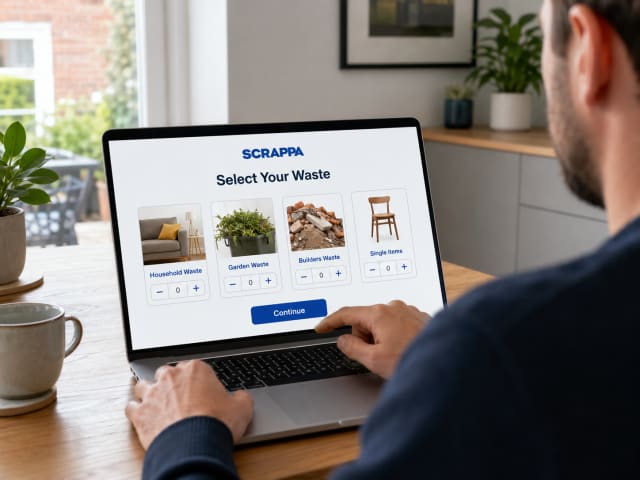
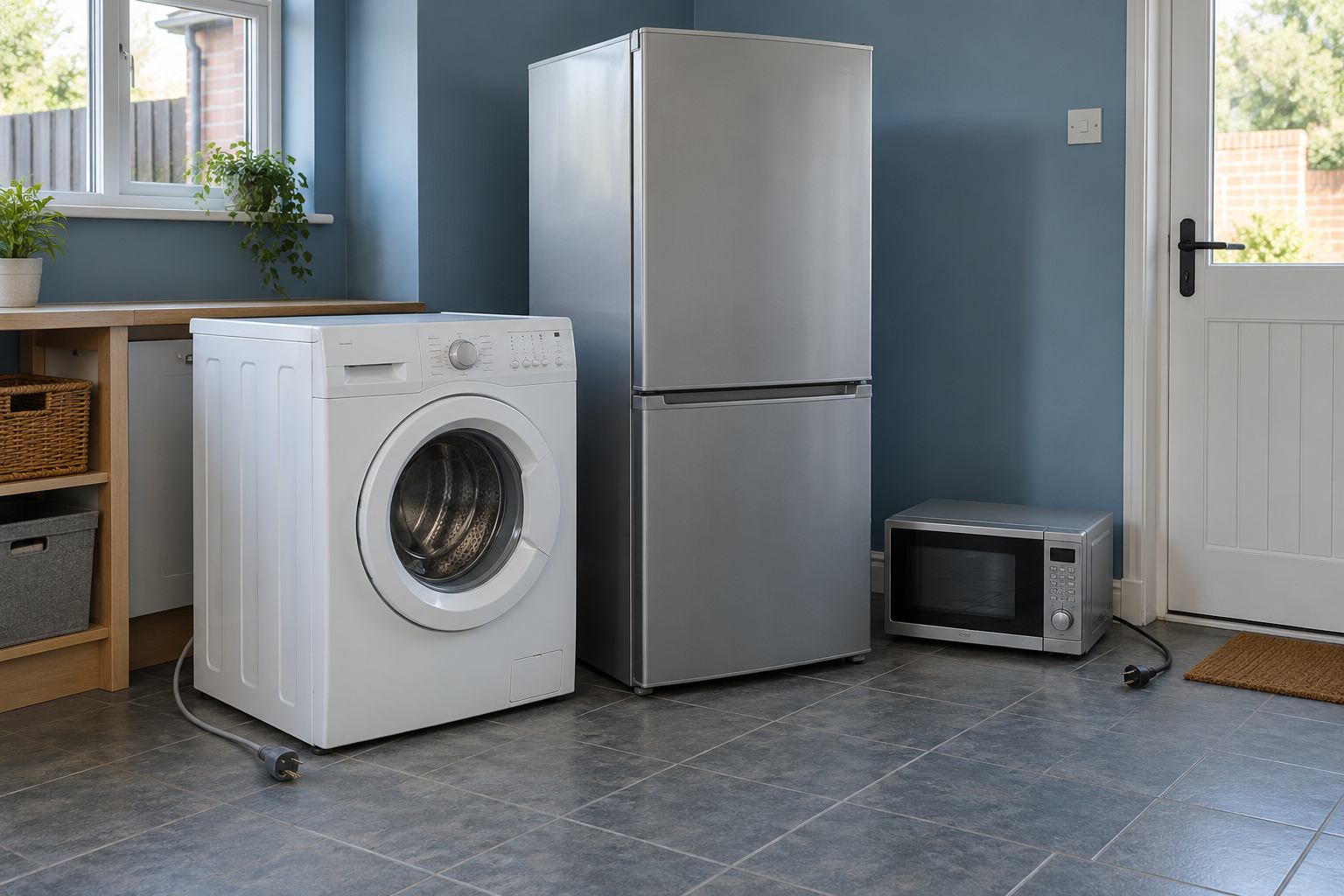
An old washing machine or fridge can be difficult to move even when there is only one item to collect. Scrappa arranges appliance removal in Salford with the equipment, disconnection status and access described in advance. Check the available booking options for your full postcode and include every appliance that needs to go.
List the appliances being replaced and confirm they will be safely disconnected before collection. Include stairs and carrying distances.

Coordinate removal of unwanted appliances with an authorised property contact. Identify built-in items and any access restrictions.

Describe the appliance type and size, particularly commercial equipment. Confirm suitability and access before arranging collection.
List the type and number of appliances rather than describing the job simply as electrical waste. State whether you have a washing machine, tumble dryer, dishwasher, cooker, fridge or freezer. Include approximate dimensions for unusually large units and explain whether the appliance is domestic or commercial.
A freestanding appliance is different from one built into kitchen units. Tell us if it is still connected, fixed to cabinetry or difficult to access. Photographs of the front, surrounding units and exit route help clarify the collection; do not pull out connected equipment simply to take a better picture.
Arrange any necessary plumbing, electrical or gas disconnection with an appropriately qualified person before removal. Do not cut cables, disturb gas fittings or attempt to remove a hardwired cooker yourself. If the appliance is still connected, tell Scrappa before booking so the scope can be clarified.
Empty the appliance and follow the manufacturer’s preparation guidance where available. A fridge or freezer should be free of food, and any defrosting should be completed safely with water contained. For washing machines and dishwashers, have residual water dealt with during proper disconnection so it does not spill along the collection route.
See the price and your selected options before payment.
Share the actual route, carry distance and access requirements.
Check your address, list the waste and choose an available slot.
Keep your confirmation and digital waste transfer documentation.
Identify cooling equipment separately from other appliances. Give the exact style, such as an under-counter fridge or a large freestanding fridge-freezer, and include its size. Do not assume a commercial appliance is covered by the same booking option as a domestic one.
If several electrical items are going, include them all in the inventory. Remove personal belongings from drawers or compartments. For equipment that stores information, arrange your own data protection before disposal; appliance collection is not a promise of secure data destruction or confidential handling.
Explain whether the appliance is in a kitchen, utility room, basement or upper-floor flat. Steps, narrow corridors and turning space matter as well as the total distance. Around Salford Quays and Ordsall, confirm lift access and the building’s loading arrangements before collection.
At houses around Weaste or Pendleton, show any front steps and the route from the appliance to a lawful loading point. Enter your full postcode to check availability. Keep the team informed about a locked gate, concierge or restricted access window rather than leaving these details until arrival.
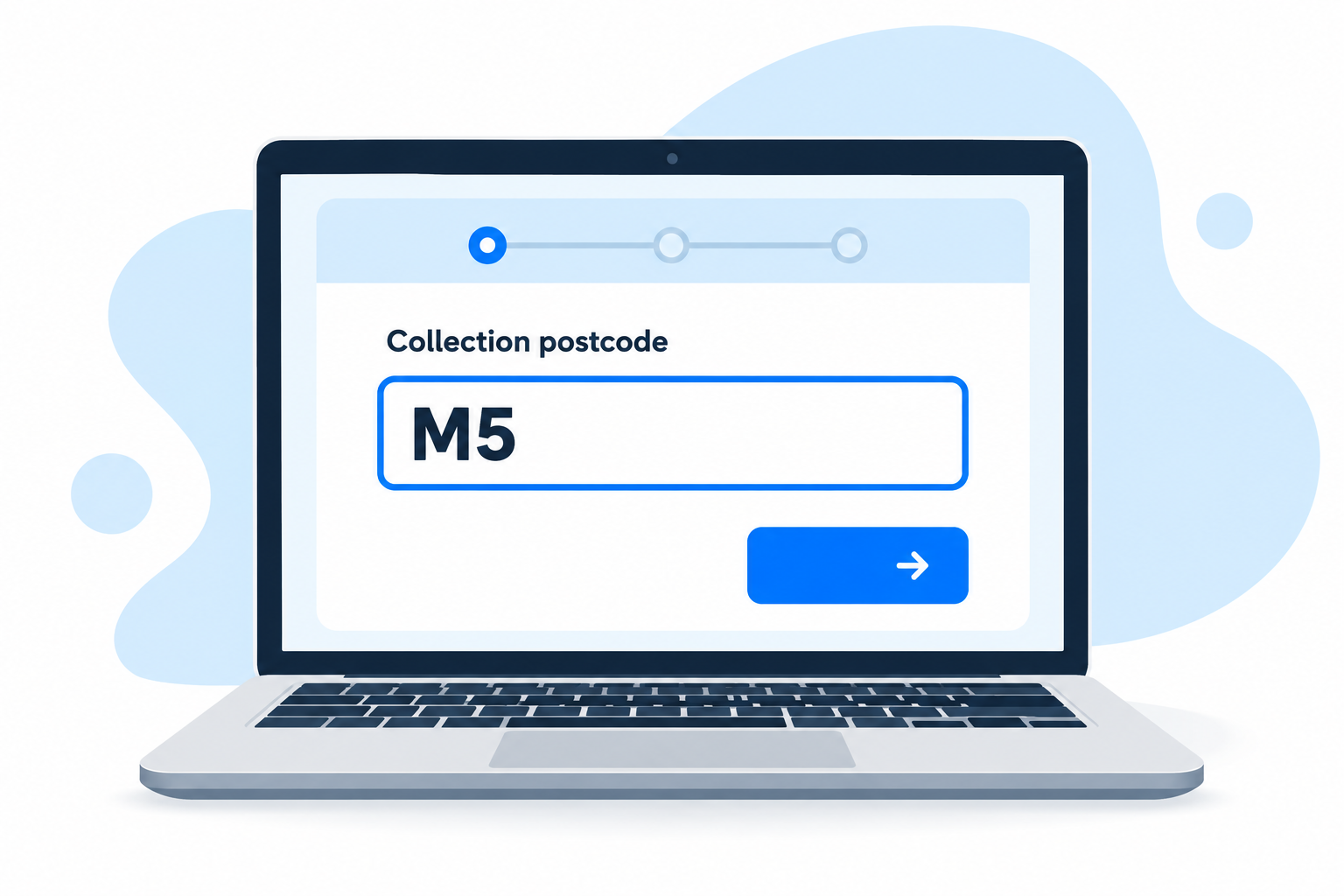
Start with the collection address. The M5 illustration represents part of Salford; enter your actual full postcode to check your own address.
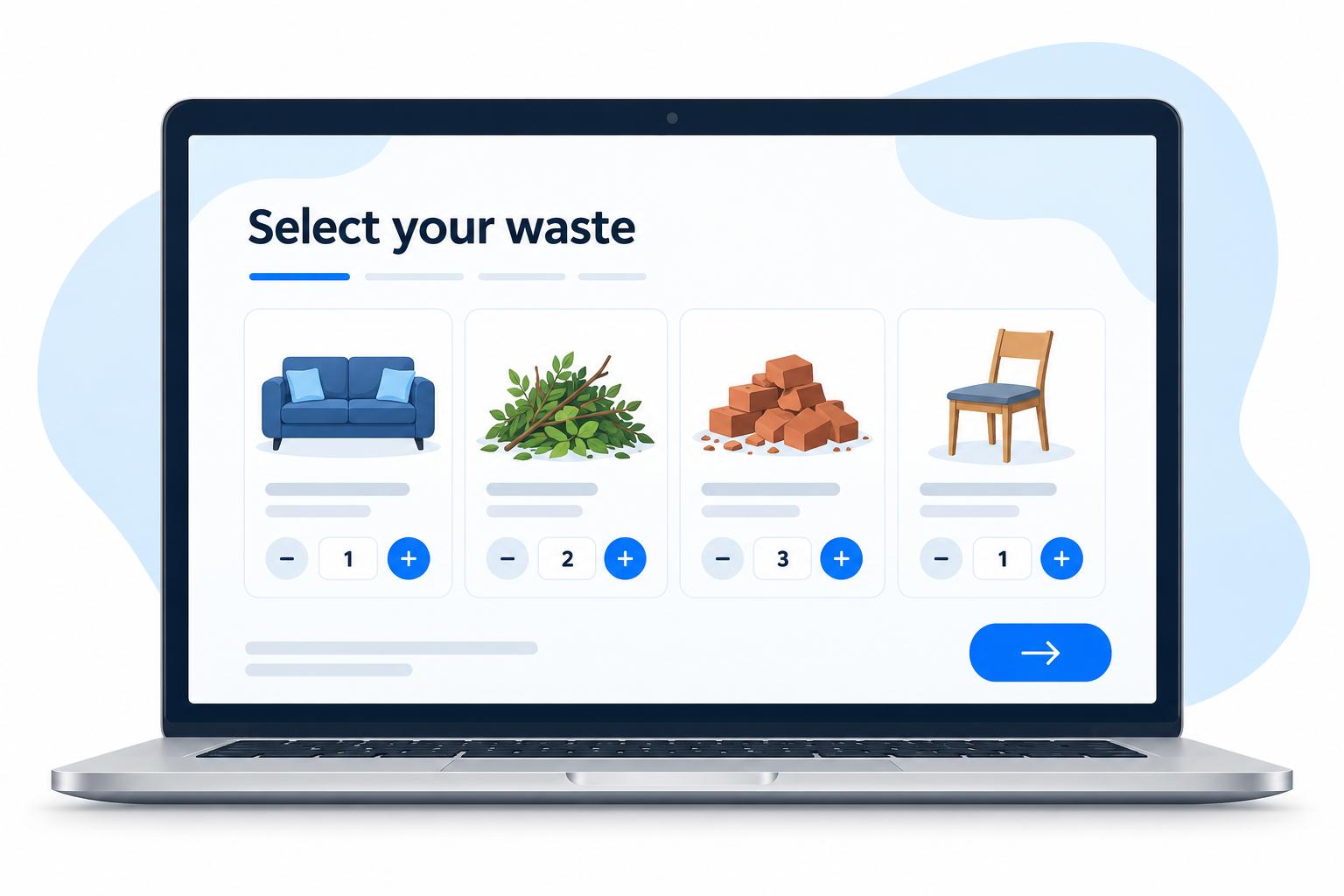
Build your list using the appropriate category. Include every item and explain anything unusually heavy, oversized or mixed with other materials.
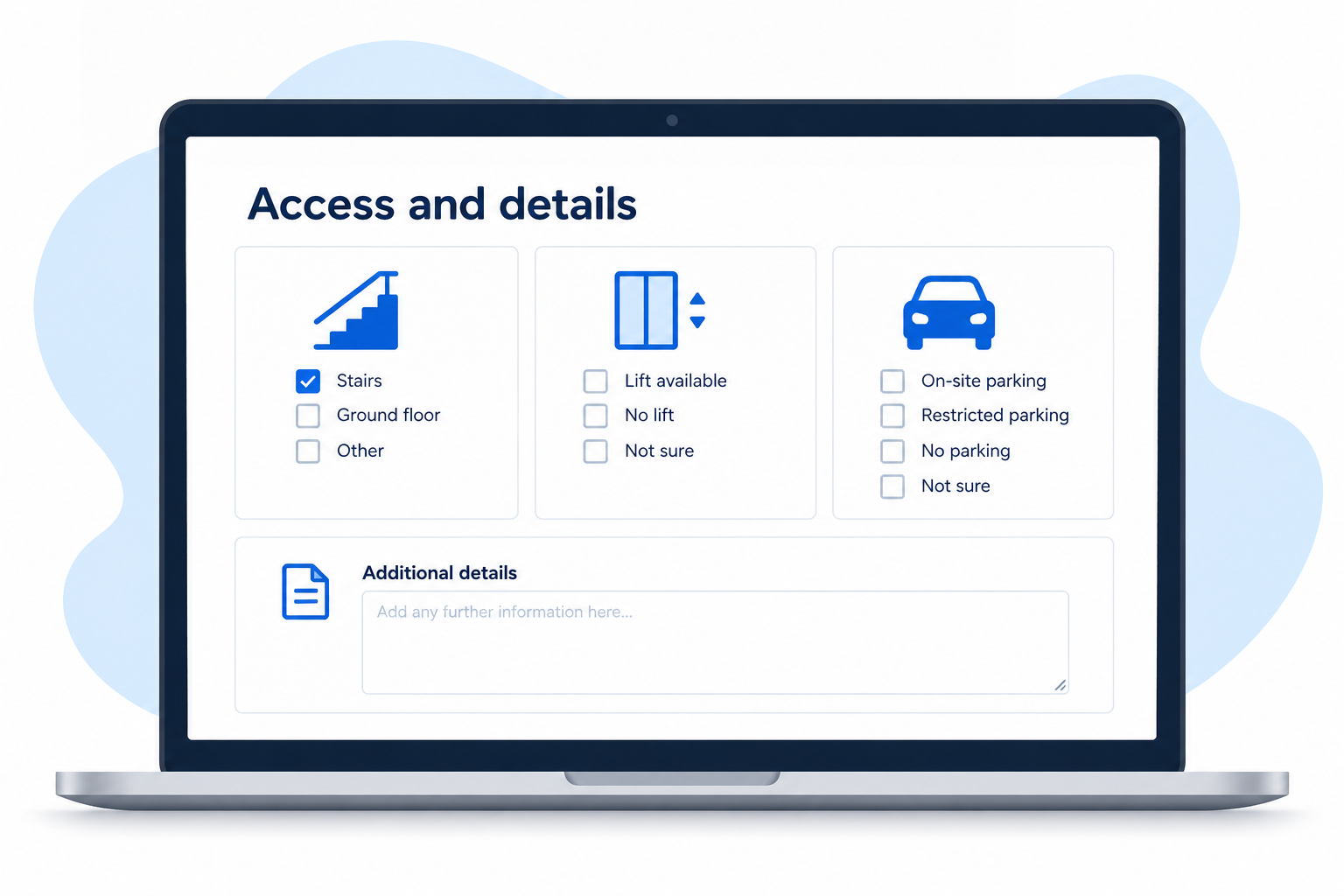
Confirm stairs, lift access, parking distance and any dismantling. If unsure, provide clear photos through your confirmation link for assessment.
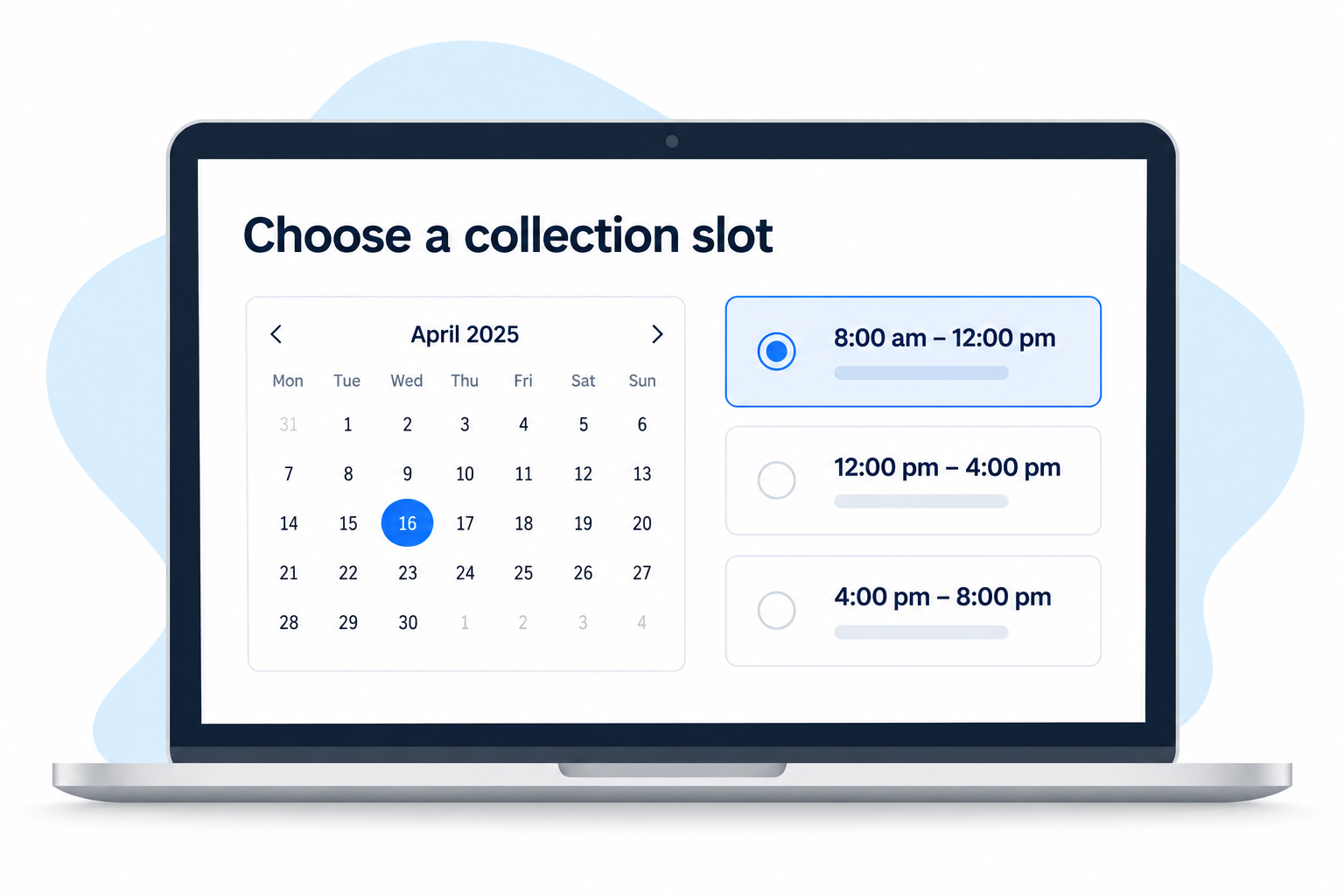
Pick from the dates and collection options offered for your booking. Availability varies, so check before making arrangements around a particular day.
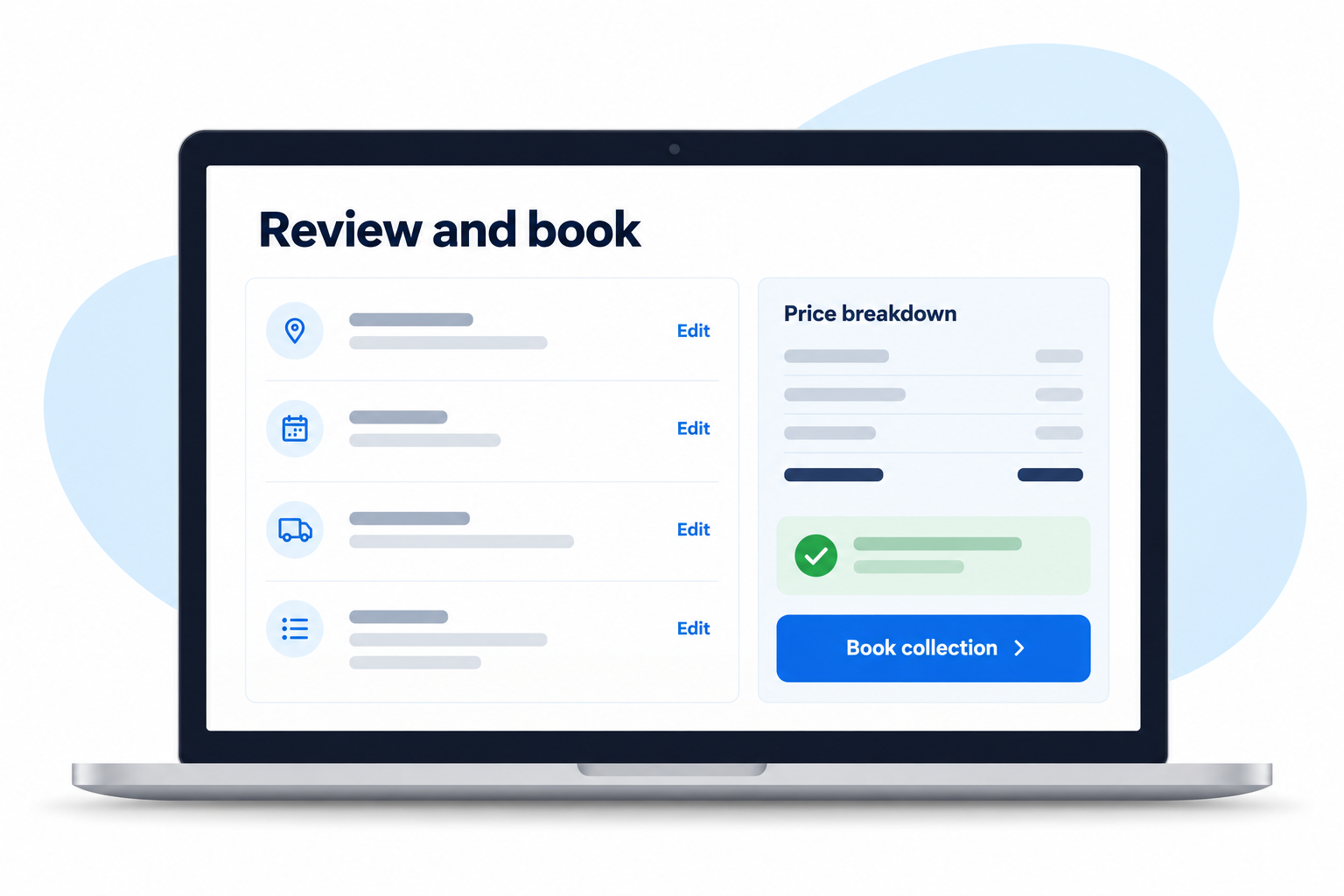
Check your address, inventory, selected options and price breakdown before payment. Keep the confirmation and share changes with us before collection.
Check your postcode & get a quote
Suppose a disconnected washing machine and a tall fridge-freezer need collecting from a flat. List both appliances, provide the fridge-freezer dimensions and state whether the lift is usable for them. Explain how far the loading bay is from the lift entrance and whether a booking is needed to use it.
The quote depends on the selected items, address, slot and loading work. Additional equipment or unreported access restrictions can change the job, so review the breakdown before payment. This is an example of the details needed to plan a collection, not a price promise or a technical disconnection guide.
Check that the correct appliance is identified, personal items are removed and the agreed disconnection has been completed. Keep the route free of loose mats, small objects and unnecessary obstacles. You do not need to carry a heavy appliance down stairs yourself to make it ready.
Tell Scrappa if an appliance is damaged, leaking or contaminated before booking. Do not place unknown chemicals or extra waste inside it. Keep your confirmation and waste documentation, and ask for clarification if your equipment does not match the options shown online.
A collection can suit a defined pile or a few large items. A skip may be more useful when a project produces waste over several days. Compare the whole job, including loading and the accepted materials, before choosing.
If suitable items are still usable, consider passing them on before arranging disposal. Householders can also compare Salford Council’s bulky collection service, checking its current accepted items, presentation requirements and availability.
Select it in the booking options and provide its position and access details. Arrange proper disconnection before removal.
Do not assume plumbing, electrical or gas work is included. Clarify the scope and use an appropriately qualified person where needed.
List the exact type and size separately. Cooling equipment should be identified accurately when requesting a quote.
Describe them to Scrappa before booking. Large or specialist commercial equipment needs assessment rather than a domestic-item assumption.
Tell us the floor, stairs, lift dimensions and carry distance so the handling requirements can be assessed.
List all items separately and keep the appliance empty. Do not conceal additional waste inside it.
No secure data destruction is promised by an appliance collection. Protect personal or business information before handing over any data-bearing equipment.
Enter your full postcode on Scrappa’s website, list the appliances and review the offered slots and quote before payment.
Read customers’ own accounts of using Scrappa before deciding. Reviews relate to the wider Scrappa service, rather than a claim that every review comes from Salford or this particular collection type.
Start with your full postcode and the items that need collecting. Provide the access details once, review your options and choose a slot that works for you.
Check your postcode & get a quote
For nearby addresses, see our Manchester appliance removal, Trafford appliance removal and Bolton appliance removal pages. Enter your full postcode to check available collection slots.