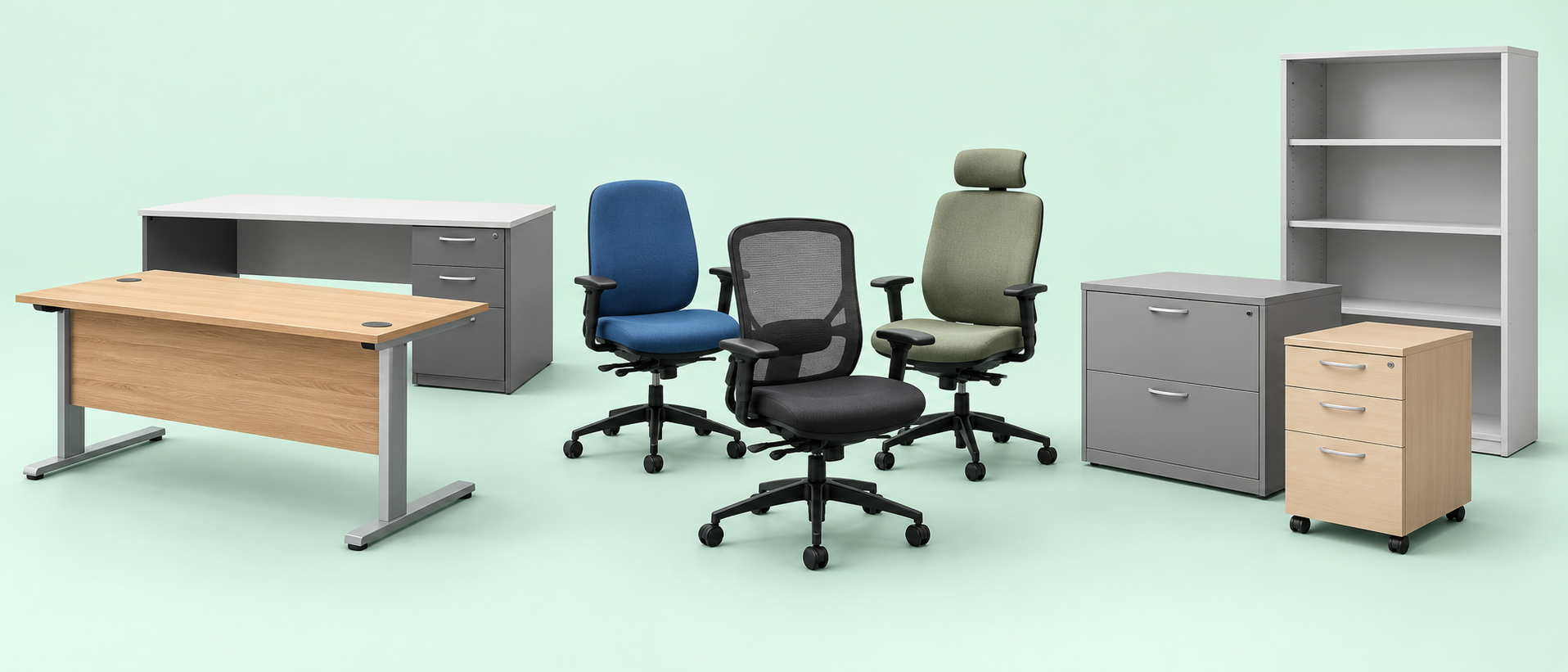
Desks, seating and storage
Count desks, office chairs, cabinets and shelves. Include larger meeting tables and explain any fitted or dismantling requirements.

Whether a workplace is moving, reducing its space or replacing furniture, the unwanted contents need a clear removal plan. Scrappa helps you arrange office clearance in Colne around an agreed inventory and the building’s access requirements. Give the site details and review the full quote before confirming.
Start your office clearance quote
Count desks, office chairs, cabinets and shelves. Include larger meeting tables and explain any fitted or dismantling requirements.
List the items by work area rather than requesting an unspecified office clearance. Include quantities, approximate dimensions for large pieces and any separate store-room contents. A partial furniture refresh differs from clearing a whole floor. Mark retained items clearly and give the on-site contact the final inventory used for the booking. Photos help show the premises, but one room should not stand in for every space that needs collecting.
Make sure the organiser can authorise removal of the listed items. Shared or leased premises may contain landlord-owned fixtures or another occupier’s furniture, so establish the boundary before booking. Agree any building-manager permission for access and loading. A key does not by itself establish ownership of every object. Keep removal instructions separate from lease handover obligations: clearance does not automatically satisfy requirements for repairs, cleaning or reinstatement.
Remove retained business contents and personal belongings from drawers, cabinets and desks. Keep confidential files out of the collection. Scrappa does not provide confidential shredding, and ordinary office clearance is not secure document destruction. Computers, drives and other electrical equipment should be declared separately with appropriate data handling arranged before removal. Data wiping, certified destruction and IT decommissioning are not automatically included in furniture collection.
Measure long desks, meeting tables and tall cabinets against the route out. Check doors, corridor turns, stair landings and lift dimensions. Identify furniture requiring dismantling and explain the work before booking. Fitted counters, partitions and structural fixtures differ from freestanding contents and need a separate description. Avoid assuming that every item in an office can be taken down during the same collection. The scope should identify the preparation and work actually required.
Give the floor, entrance, stairs, lift arrangements and carry distance to lawful vehicle loading. Check reception rules, loading-bay reservations and any restricted collection hours. Make sure the attending contact can provide entry and identify the correct furniture. Keep shared routes and fire exits clear. If the building remains occupied, coordinate staff and visitor movement around the agreed collection route rather than placing unwanted furniture across busy communal areas.
Tell Scrappa if equipment is retained, another department adds furniture or a loading arrangement changes. The final job should match the quote, not an earlier version of the list. Keep newly added items separate until the change is reviewed. If several sites are involved, keep each address and inventory distinct so access and capacity can be assessed appropriately. A collection from one accessible ground-floor office is not automatically the same as a multi-floor or multi-site clearance.
Check the inventory, extra work, access, slot and full breakdown before payment. Arrange separate cleaning, repairs or reinstatement as needed; this page concerns agreed contents removal. Keep the booking record available to the site contact during the confirmed window. After completion, retain the digital waste transfer note with the business’s clearance paperwork. A clear record is useful for the completed collection without implying that unbooked services were included.

Include the full postcode, premises address and unit number.

Give furniture quantities, large dimensions and declared equipment.

Explain floors, lifts, loading reservations and extra work.
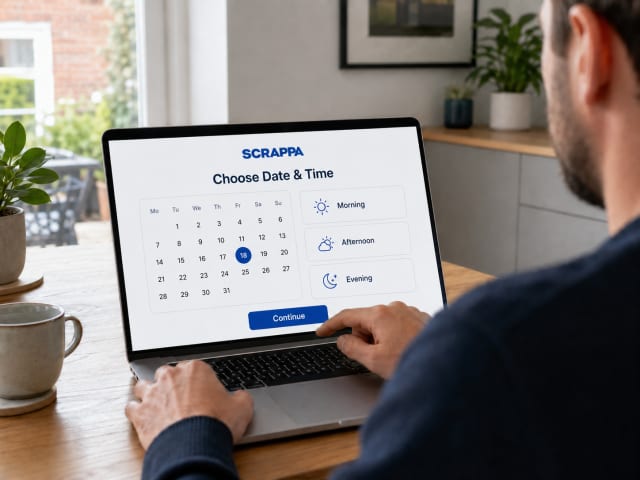
Check the slot against reception and keyholder arrangements.
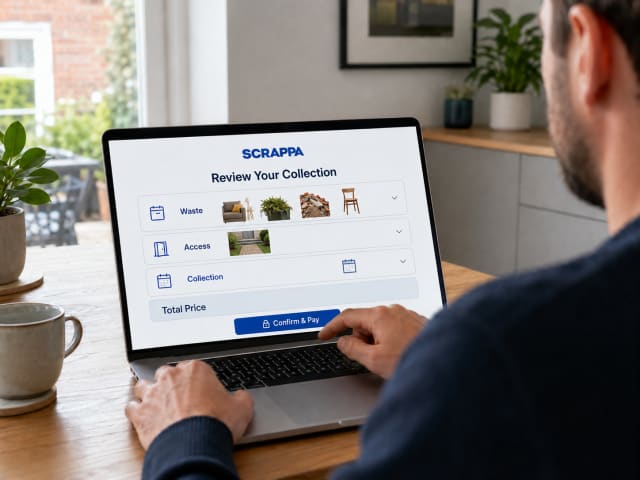
Confirm the inventory and complete price before payment.
Use the exact business address and full BB8 postcode for premises near Alkincoates Park, around Alkincoats Road or elsewhere in Colne. The loading entrance may differ from reception, so describe the actual route. Include shared-yard rules and stopping restrictions. A landmark provides context but cannot confirm access, daily dispatch or immediate availability; the offered collection needs to fit the premises and inventory.
Yes, provide the exact inventory and keep retained furniture distinguishable. The attending contact should know the same list.
List quantities and sizes and explain whether units are fixed or need dismantling. Empty retained contents first.
No. Remove confidential documents and arrange secure destruction separately.
Do not assume it is. Declare equipment and arrange the appropriate data handling before collection.
Give the floor, stairs or lift details, dimensions and carry distance so access can be assessed.
The service covers agreed contents removal. Cleaning, repairs and reinstatement are separate tasks.
A loaded furniture collection can suit an inventory ready to leave in an arranged visit. A refurbishment may also need separate construction-waste, electrical, cleaning or building-work arrangements. Suitable skip hire can help some projects within its accepted-material and access rules, but it does not automatically cover data-bearing equipment or confidential records. Compare the full tasks rather than treating every office project as the same service.
Prepare the inventory, enter the site address and explain the building access. Review the available collection options and complete quote before confirming.
Start your office clearance quote