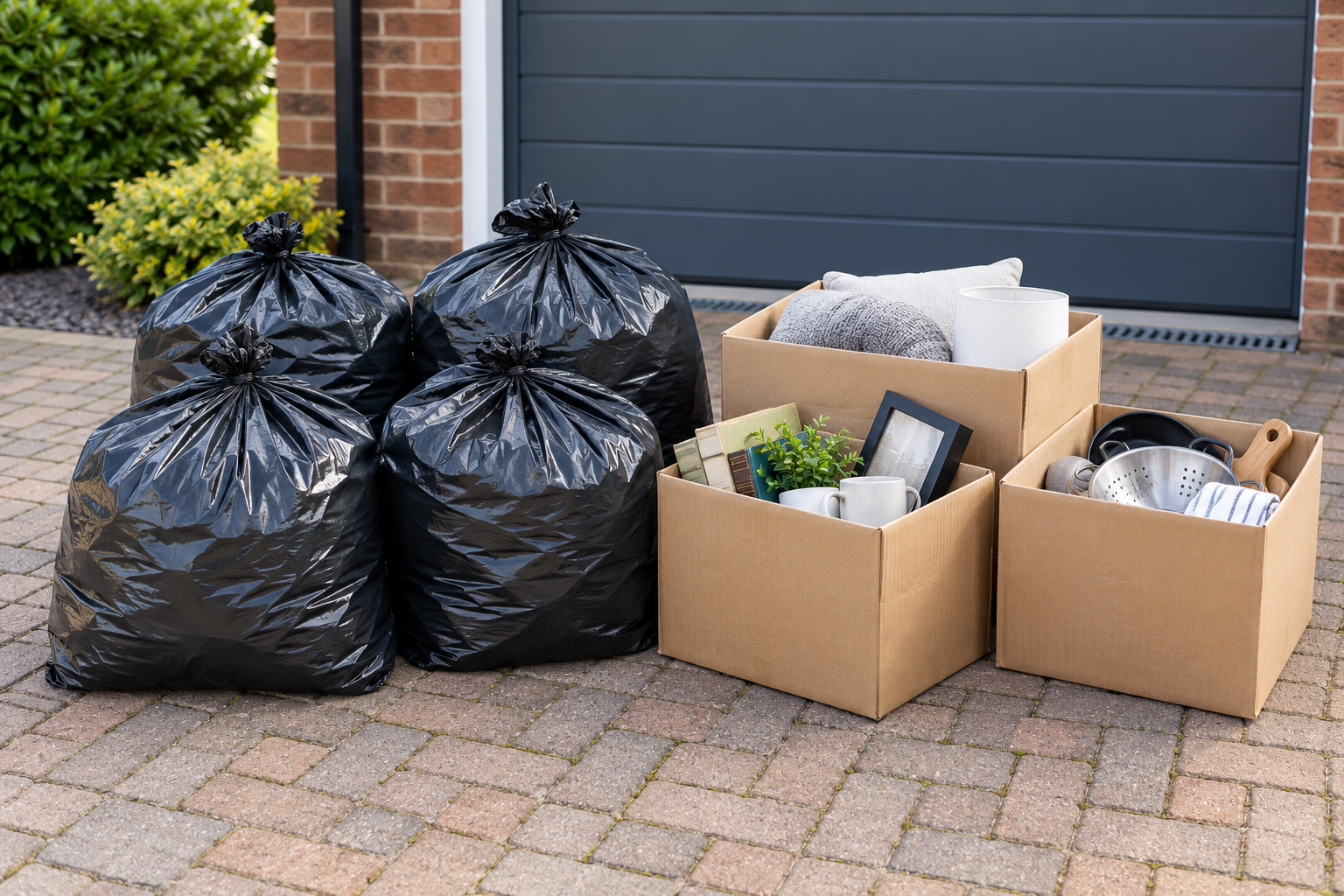
Stored bags and boxes
Count containers and explain their contents, including dense or unusual material.
When a garage becomes a store room and the spare room stops being spare, a clear-out can feel like a much bigger task than expected. Scrappa helps you arrange junk removal in Colne for the items you have decided to let go. Describe the complete pile and its route out, then review your collection options and full quote.
Check your junk collection options
Use the exact collection address and full BB8 postcode. For a property near Alkincoates Park or around Alkincoats Road, give the actual entrance to the garage, room or yard where the junk is stored. The nearest landmark helps with orientation but cannot show a rear access route or establish parking permission. Explain shared passages, steps and the carry distance before choosing an available collection slot.
Count containers and explain their contents, including dense or unusual material.
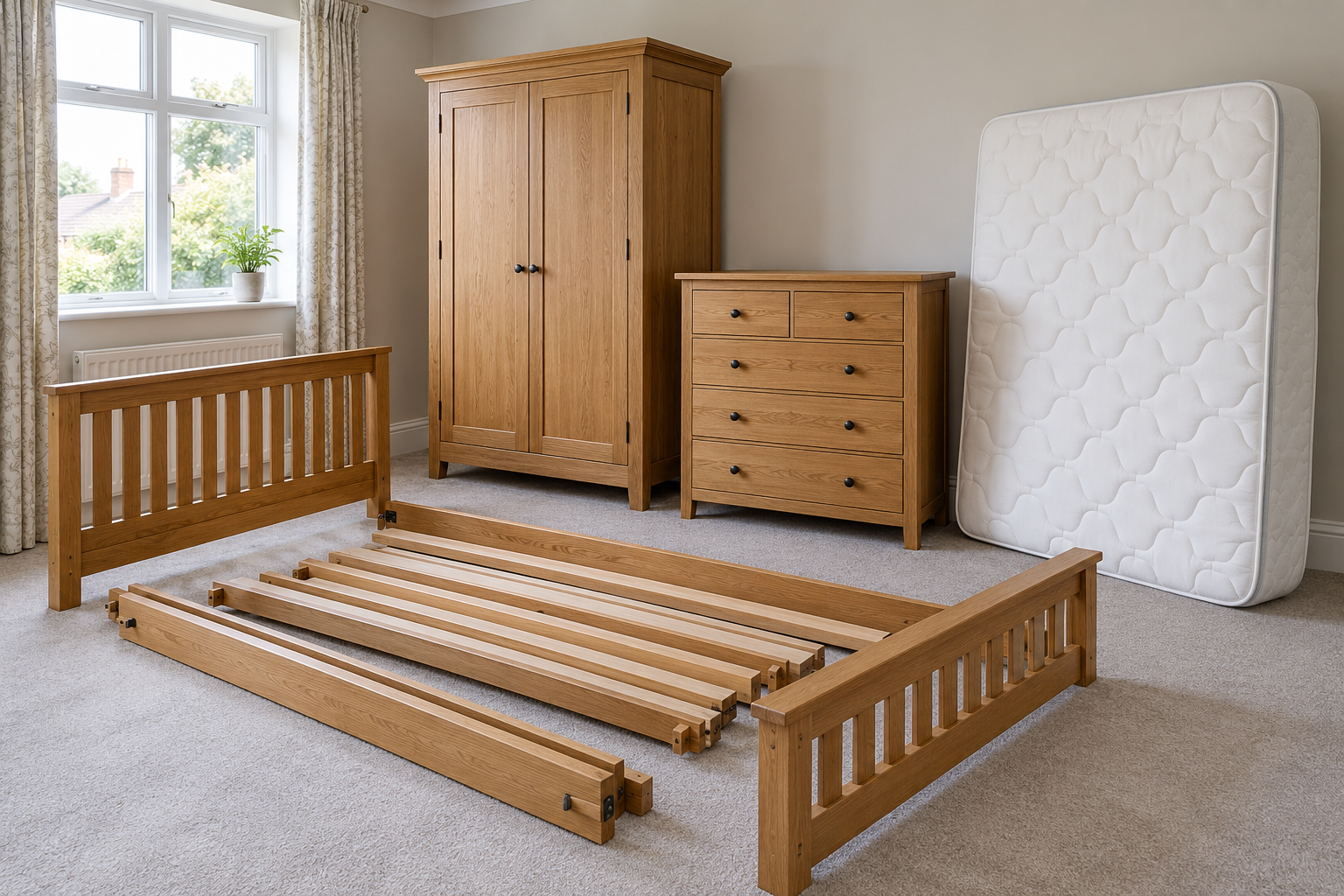
Identify bed parts, drawers and wardrobes, including pieces already taken apart.
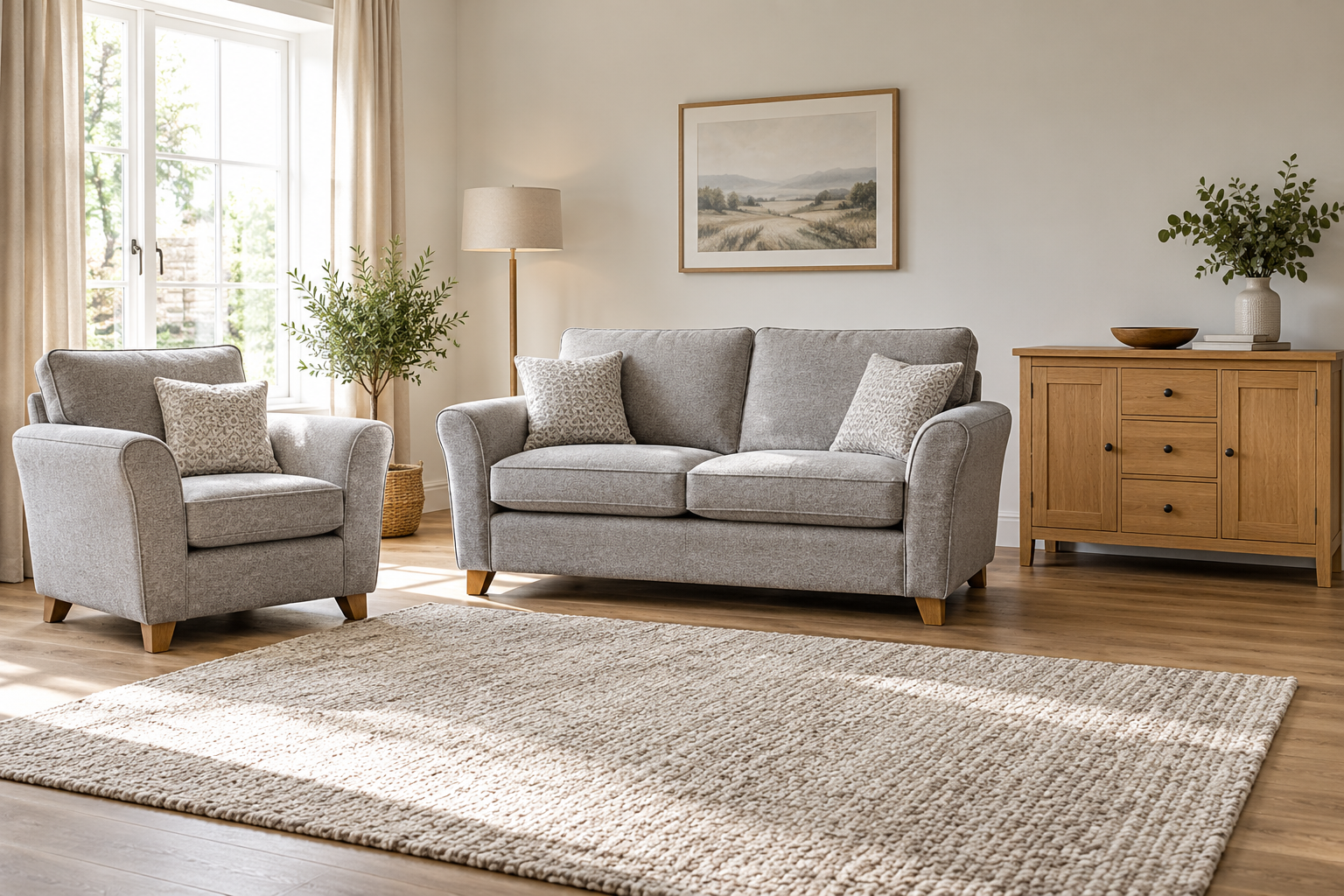
Include unused seating and storage pieces as named items rather than loose clutter.
Decide whether you are clearing a whole garage, freeing one side of a room or removing a selected group of items. Make the boundary clear so retained possessions are not mistaken for junk. A simple list can separate furniture, boxes and loose objects. Check the back of the space before estimating: the visible front row may hide another layer of stored items. Include every part of the job you want collected.
Set aside anything being kept, sold or given to someone else. Check boxes, drawers and bags for records, valuables and personal belongings. Where several people own items in the space, agree the removal list with them first. Keep retained items away from the collection pile or label them clearly. The on-site contact should understand those decisions and be able to identify the agreed junk without guessing which of several similar objects is leaving.
A box of books or tools can be much heavier than a box of lightweight packaging. Explain what bags and boxes contain, along with approximate sizes and whether they are full. Mention wet material and anything sharp, broken or unusual. Identify appliances, dense project waste and bulky furniture individually. Photos from several angles help show the amount, but a photograph alone cannot establish every material inside a closed container.
Tell Scrappa whether the contents are on shelving, behind a vehicle or in more than one outbuilding. Give doorway and threshold details where the route is awkward. Clearing a shed’s contents differs from dismantling the building, and removing a freestanding bench differs from taking out a fitted one. Explain attached items or dismantling before booking so the work can be reviewed. The collection scope should describe those tasks explicitly rather than relying on the label garage clearance.
Leave a safe route between the agreed pile and the loading entrance, without building unstable stacks or blocking shared access. Give the floor, steps, gates and carry distance to lawful vehicle loading. Mention low ceilings, tight corners and damaged objects that affect handling. Avoid taking risks to move heavy items outside yourself. If entry needs a keyholder, arrange their attendance and make sure they have the final collection list and access instructions.
Clutter often grows as sorting continues. Keep later additions separate and contact Scrappa before including another room or more items. Equally, update the list if a large piece has already been sold or removed. Changes can affect loading, vehicle space and the quote. Review the final contents, access and collection window alongside the complete price before payment. The crew should be working from a description that matches what is ready on the day.
Have the agreed items accessible for the confirmed slot and make sure the contact can distinguish them from retained belongings. Clearance of unwanted contents does not automatically include repairs, cleaning or building work. Once the agreed collection is completed, retain the digital waste transfer note and booking details. If a specific outcome such as donation matters to you, arrange acceptance before booking rather than assuming that every collected object will qualify for reuse.
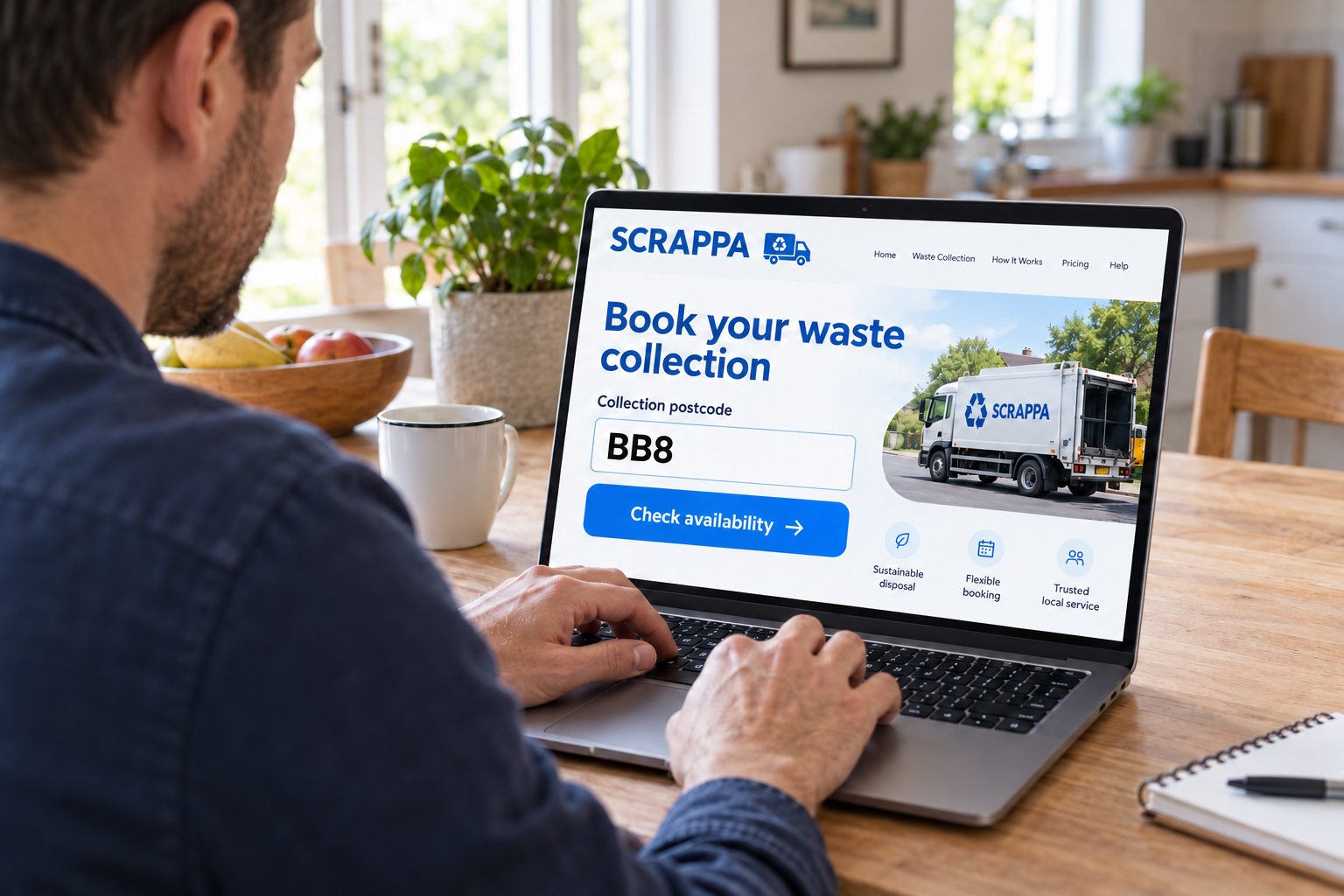
Enter the full postcode and correct collection address.
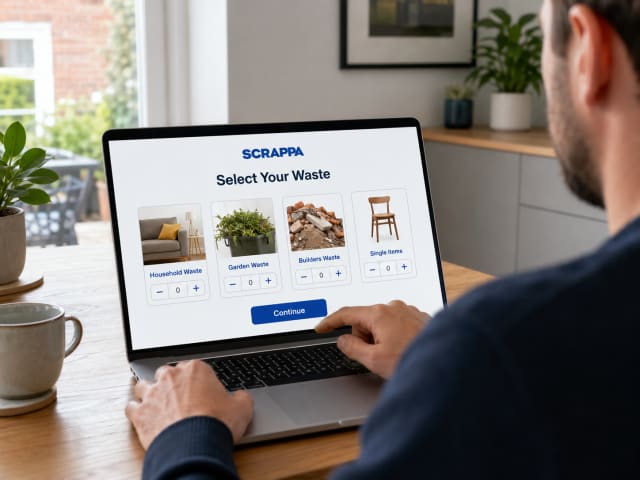
List furniture, containers and loose objects with quantities.

Give access, floors, outbuildings and extra work details.
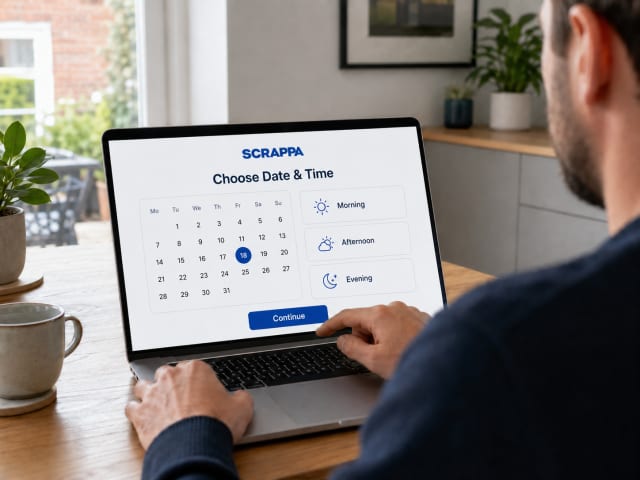
Select a slot after sorting and entry arrangements are ready.
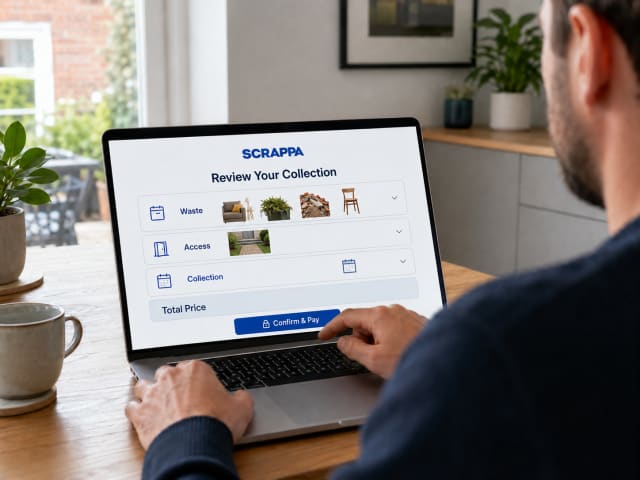
Review the contents and full breakdown before confirming.
Describe the exact scope and keep retained items clearly separate. The contact should be able to identify the agreed pile.
List the original furniture and its components, including loose parts and any remaining dismantling work.
Check them for retained belongings and describe the contents. Unusual or heavy material needs its own explanation.
Name each item separately and explain condition and preparation needs rather than hiding it within general junk.
Structural dismantling is a separate request to describe and have reviewed before booking.
Contact Scrappa before the visit to review any increase or changed scope.
A loaded collection can suit a finished pile that is ready to leave. If you are sorting over several weeks, it may be better to complete a stage before confirming its collection. Suitable skip hire can help some ongoing projects, subject to space, permission and accepted materials. For items you intend to pass on, settle the sale or accepted donation first so the waste collection list stays accurate.
Finish the removal list, enter your address and explain the route out. Review available collection options and the full quote before booking.
Check your junk collection options