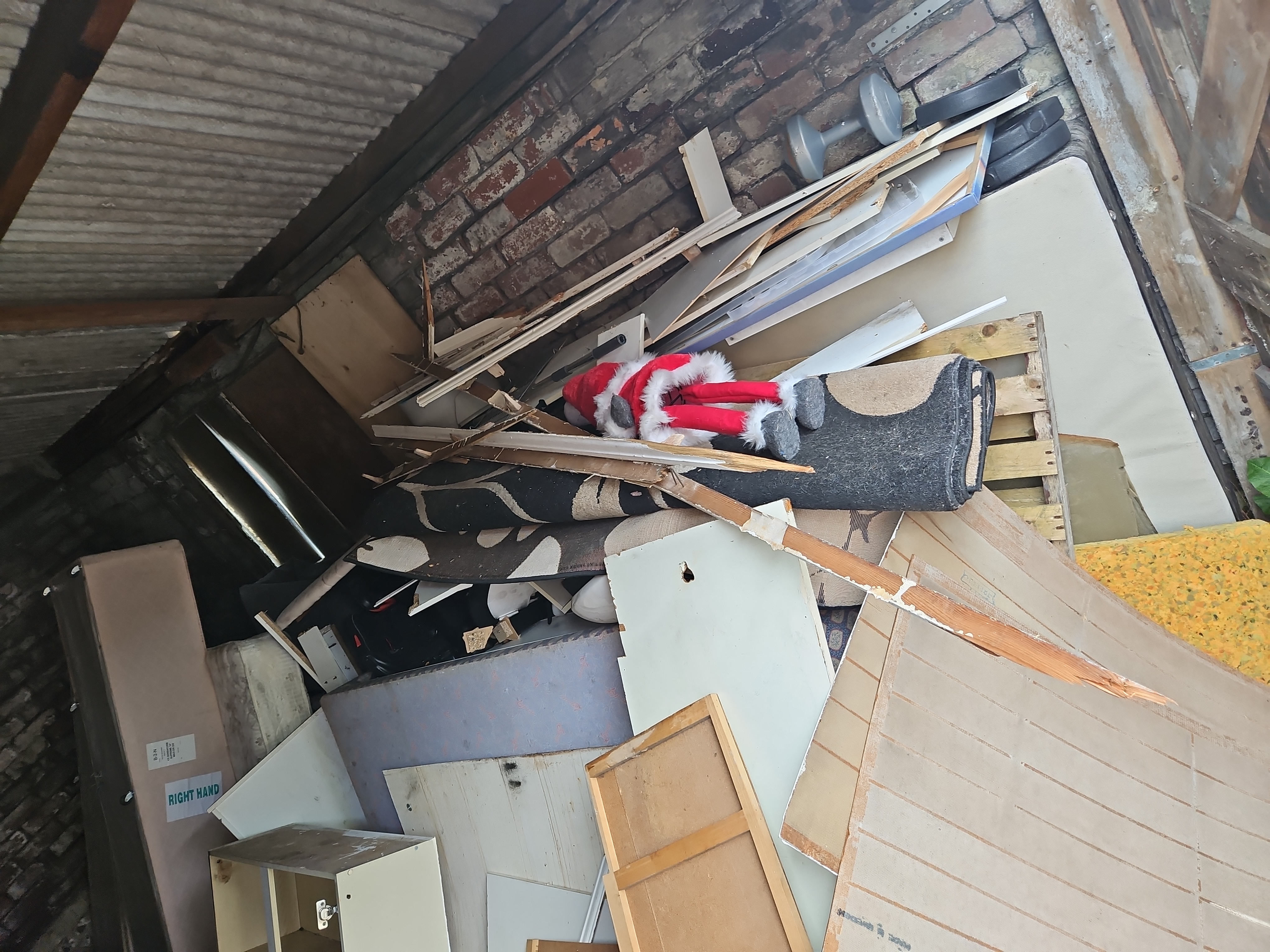
How to Prepare for a Rubbish Collection: A Practical Checklist
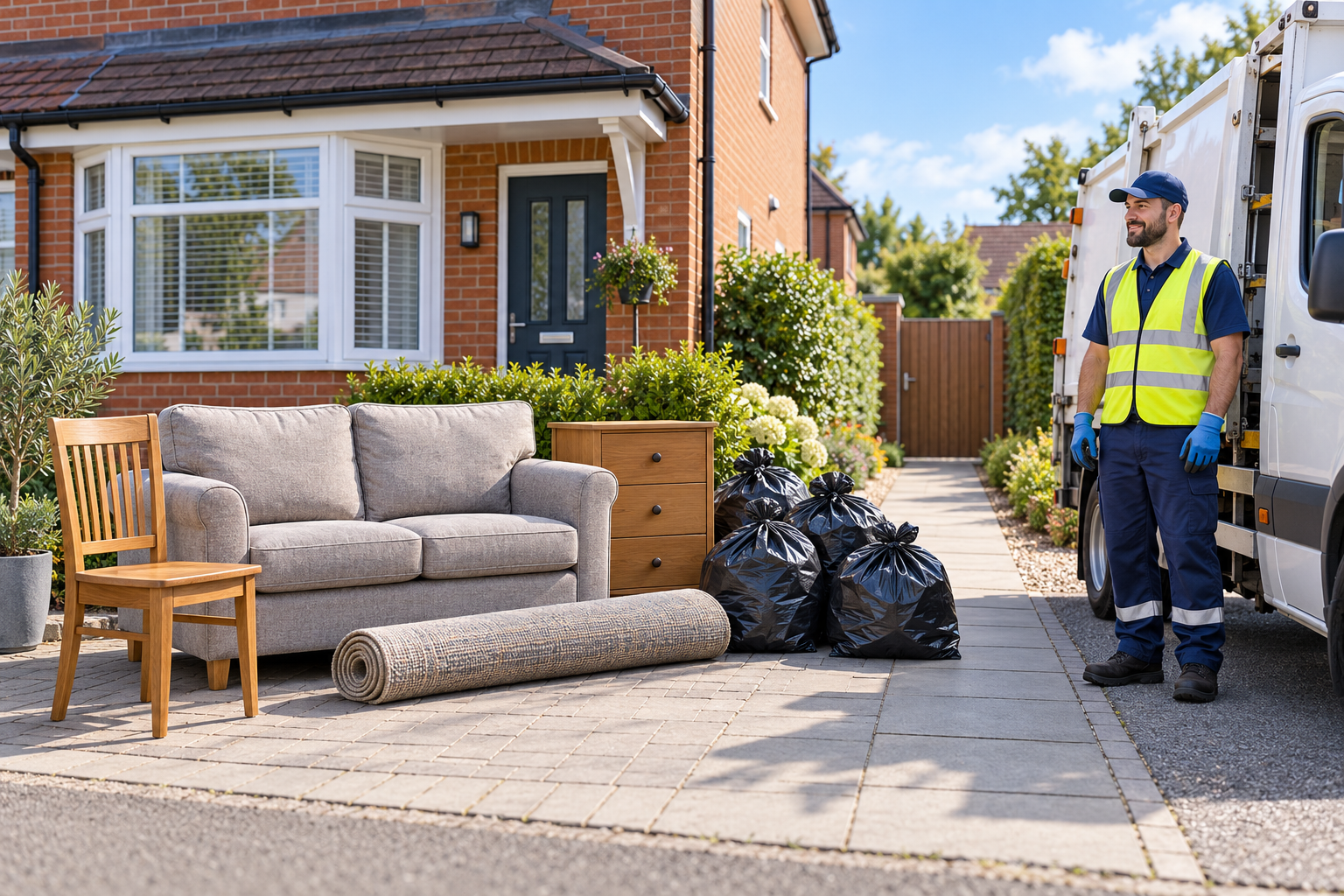
You have decided what needs to go. Now comes the less obvious part: does the sofa need to be outside, should the wardrobe be dismantled, and do those bags of rubble count as ordinary rubbish?
These details are worth sorting out before collection day. A clear item list and honest access information help the team plan the job and reduce the chance of delays or a revised quote when they arrive. This guide explains what to prepare, what to leave to the collection team and what to mention when booking.
The quick answer: list the items, photograph the full load, describe anything heavy or unusual, and explain the route from the items to the collection vehicle. You do not need to lift heavy furniture yourself.
1. Make a clear list of everything you want collected
Walk through the space and write down each item and quantity. “Some furniture” gives much less information than “one three-seat sofa, two dining chairs and a chest of drawers”. Include loose bags, rugs and smaller items that might otherwise be missed.
Sofas: say whether it is a standard sofa, recliner, sofa bed or corner sofa. Mention separate sections.
Beds: list the mattress, base, frame and headboard separately.
Tables and wardrobes: note approximate dimensions and whether they are assembled.
Appliances: identify the appliance, its size and whether it is disconnected.
Bagged rubbish: give the number of bags and describe the contents, especially heavy materials.
Keep anything you are retaining clearly separate. If the collection is from a shared property, agree the list with everyone involved before the team arrives.
2. Take photos that show the whole collection
Take a wide photo of the full pile, then closer photos of bulky or unusual items. A clear view of the doorway, stairs or access route can also help explain the job. Photos support an accurate assessment, but bags still need a description of what is inside.
If you add more items after booking, tell the collection provider beforehand. Extra items, additional weight or different access can change the work required and the agreed price.
3. Separate waste that needs a different collection approach
Keep ordinary household rubbish separate from soil, rubble, plasterboard, electrical appliances and garden materials. A small pile of dense building material can weigh much more than a large pile of light packaging.
Tell the provider about paint, chemicals, gas cylinders, batteries, sharp objects or anything you cannot identify. Do not hide these in ordinary rubbish bags or assume they are accepted. Ask for guidance before booking.
For upholstered seating, identify each sofa or armchair accurately. Different item types can have different handling and disposal requirements, so they should appear correctly in the booking.
4. Bag smaller rubbish securely
Use suitable bags or sturdy containers for loose, non-sharp household rubbish. Close bags securely and avoid filling them so heavily that they split or cannot be handled safely. Keep wet waste contained and tell the provider about it.
Do not put exposed glass or sharp metal into thin bags. Describe sharp items in advance and agree suitable packaging with the collection team. Keep walkways clear of loose screws, nails and broken pieces.
5. Explain stairs, parking and the route to the items
Access affects how the collection can be carried out. Give the floor number, whether a lift is available, the approximate carrying distance and any narrow turns, gates or low doorways. Mention communal corridors, access codes and loading restrictions.
Measure tight doorways and large furniture where possible. A corner sofa or wardrobe that was assembled indoors may need more preparation than a small chair. Do not block a pavement or move waste onto public land while waiting for collection.
If parking is restricted, explain the situation when booking. Never reserve a space in a way that creates a hazard or prevents other people from using a shared entrance.
6. Confirm dismantling and appliance preparation
Check whether dismantling is needed and whether it is included in the booking. Wardrobes, bed frames and large tables may need to be taken apart to pass through a doorway. Mention this before collection day so the job can be planned properly.
Empty drawers, cupboards and appliances. Remove personal belongings from furniture and check behind cushions. Where disconnection is necessary, arrange it safely with a suitable professional; a rubbish collection should not be assumed to include plumbing, gas or electrical work.
Follow the appliance manufacturer’s instructions for defrosting or preparation. Do not cut cables, damage refrigeration pipework or attempt to disconnect a gas appliance yourself.
7. Check the booking details before the team arrives
Confirm the collection address and a working contact number.
Check the booked date and arrival window.
Make sure the item list and quantities are correct.
Confirm stairs, carrying distance, dismantling and any special items.
Read what the quoted price includes and how changes are handled.
Keep children and pets away from the loading route.
Be available to identify what should be collected and what should stay.
You do not need to carry a sofa downstairs or lift heavy bags to make the job ready. If moving an item could cause injury or damage, leave it in place and explain its location to the provider.
Booking a collection with Scrappa
Start at Scrappa.co.uk and enter your collection postcode to check availability. Describe your waste, add the relevant items or load details, and give accurate access information. Review the full price and collection details before confirming.
Keep your booking confirmation handy and contact Scrappa if the collection changes. After completion, retain the collection paperwork supplied for your records.
Common questions before rubbish collection
Do I have to put all the rubbish outside?
Check the arrangement for your booking. Tell the provider where the items are located and whether there are stairs or a long carrying route. Do not move heavy items yourself simply to place them outside.
Can I add another item on collection day?
Ask before it is loaded. The provider needs to confirm capacity, handling and any price change. Notifying them in advance gives more time to plan.
Should I dismantle a bed or wardrobe?
Confirm this before the collection. If dismantling is required, agree who will do it and whether there is an additional charge. Keep all loose parts together.
Can household rubbish and rubble go in the same booking?
Describe both separately and ask what collection is suitable. Heavy materials need their own weight and handling assessment; do not treat them as ordinary lightweight household waste.
How do I find out whether Scrappa collects from my address?
Enter your postcode on the Scrappa homepage to check availability for your address and waste type.
For a closer look at the booking process, see how Scrappa works. When you are ready, enter your postcode on the homepage and check the options for your collection.
Shared Knowledge Helps Others
Found this guide helpful? Share it with your friends or local group
Need Waste Removal in Your Area?
Get an instant free quote from licensed local rubbish collection specialists. Same-day collection available.
Get Instant Quote Now